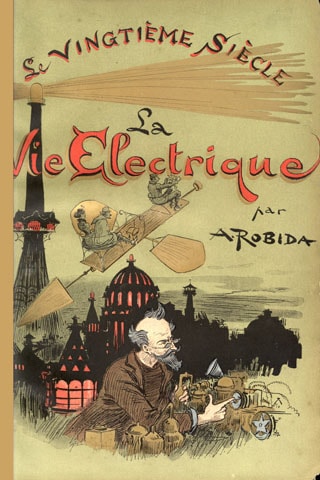
Le Vingtième Siècle: La Vie Électrique
1883
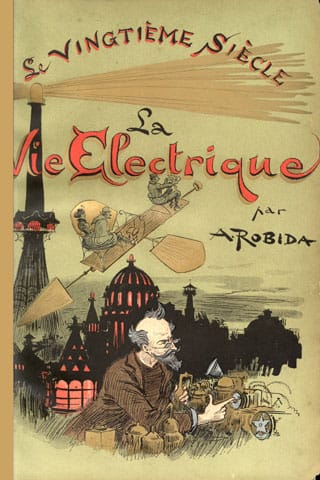
Le Vingtième Siècle: La Vie Électrique
1883
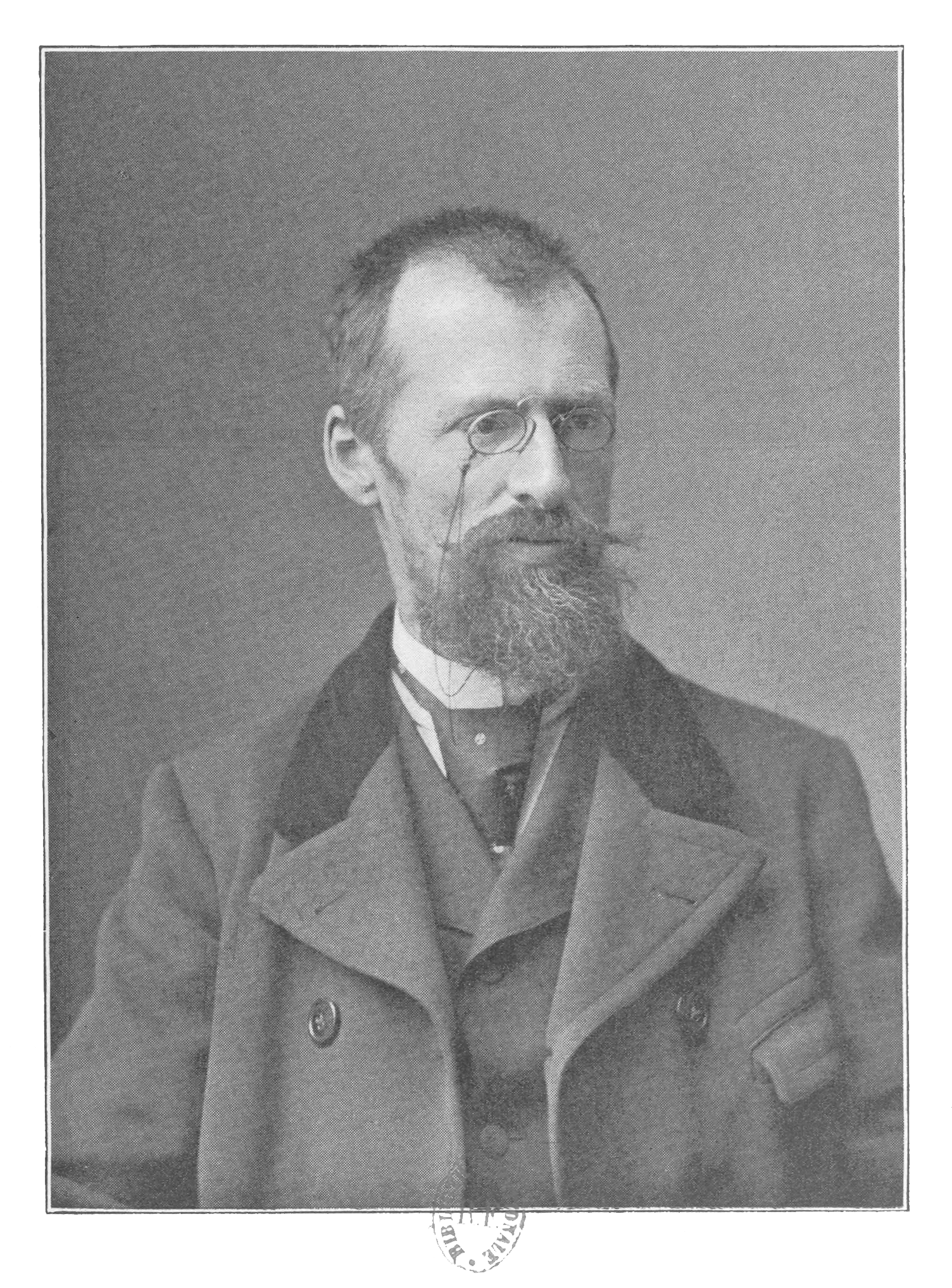
In 1883, Albert Robida imagined the year 1955, and somehow got terrifyingly close to the truth. This French speculative masterpiece predicts electric lighting, climate manipulation, long-distance communication, and a society reorganized entirely around electrical technology. But Robida wasn't writing utopian propaganda. He was skewering the optimists, imagining a future where gadgets solve nothing and progress creates new absurdities. The novel centers on Philoxène Lorris, a celebrated inventor whose achievements cast an intimidating shadow over his son Georges. When a massive electrical storm called a "tournade" devastates Europe, Philoxène uses the chaos to lament his son's perceived failures, worrying that Georges lacks the scientific brilliance to carry the family legacy, even suggesting a strategic marriage to engineer better descendants. The generational tension between the inventor and his heir becomes Robida's vehicle for examining what progress actually costs, and whether advancement always demands sacrifice. Written with the sharp wit of a caricaturist (Robida illustrated his own work), the book crackles with comic situations and satirical sketches of a world gone electric. It'sproto-cyberpunk before the世纪 had a name, a French counterweight to Wells and Verne that asks the uncomfortable question: what if we get everything we technologicaly dream of, and it still isn't enough?
Editions
Link to this book
Add a free, dofollow link to Lex on your blog, forum, syllabus, or reading list.

<a href="https://lex-books.com/book/le-vingti-me-si-cle-la-vie-lectrique-061268fb-3ea3-4a3e-a212-f6bd25db45f8"><img src="https://lex-books.com/badges/read-on-lex.svg" alt="Read Le Vingtième Siècle: La Vie Électrique by Albert Robida free on Lex" width="160" height="40"></a>[](https://lex-books.com/book/le-vingti-me-si-cle-la-vie-lectrique-061268fb-3ea3-4a3e-a212-f6bd25db45f8)[url=https://lex-books.com/book/le-vingti-me-si-cle-la-vie-lectrique-061268fb-3ea3-4a3e-a212-f6bd25db45f8][img]https://lex-books.com/badges/read-on-lex.svg[/img][/url]Read Le Vingtième Siècle: La Vie Électrique by Albert Robida free on Lex: https://lex-books.com/book/le-vingti-me-si-cle-la-vie-lectrique-061268fb-3ea3-4a3e-a212-f6bd25db45f8Cite this book
Reading this edition for a paper or guide? Copy a citation.
Robida, Albert. Le Vingtième Siècle: La Vie Électrique. Lex, lex-books.com/book/le-vingti-me-si-cle-la-vie-lectrique-061268fb-3ea3-4a3e-a212-f6bd25db45f8.Robida, A. (1883). Le Vingtième Siècle: La Vie Électrique. Lex. https://lex-books.com/book/le-vingti-me-si-cle-la-vie-lectrique-061268fb-3ea3-4a3e-a212-f6bd25db45f8Robida, Albert. Le Vingtième Siècle: La Vie Électrique. Lex. https://lex-books.com/book/le-vingti-me-si-cle-la-vie-lectrique-061268fb-3ea3-4a3e-a212-f6bd25db45f8.