Lad: A Dog
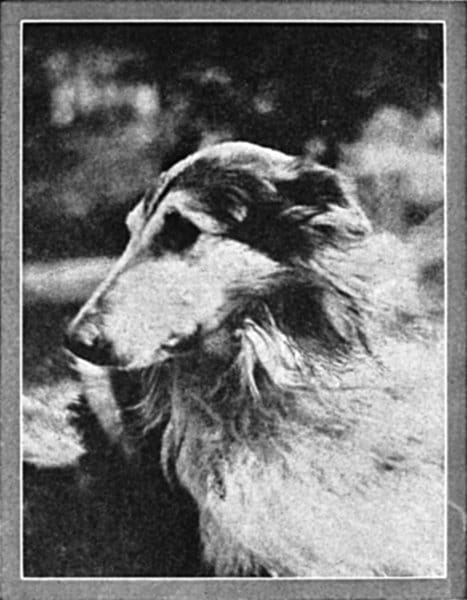
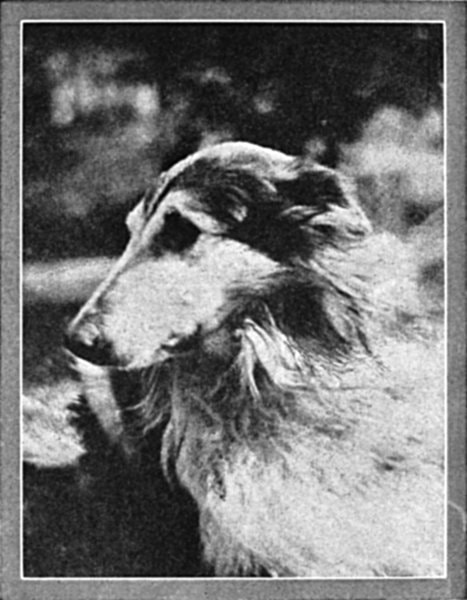
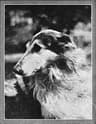
Based on the real Rough Collie who lived at Albert Payson Terhune's Sunnybank kennel, Lad is a collection of twelve interconnected stories that capture something readers have coveted for over a century: the perfect dog. Lad is brilliant, loyal, and fiercely protective of his human family, with a nobility that borders on the supernatural. He thwarts burglars, outwits cruel neighbors, and navigates the heartbreak of rival affection with a grace that feels almost human. Yet the book works because Terhune understood dogs not as furry people but as beings with their own logic, their own brand of love. The stories range from tender domestic scenes to genuine adventure, all rendered in prose that was considered polished in 1919 and now reads with the warm, slightly archaic charm of a grandparent's favorite tale. What endures is the fantasy Lad embodies: the dog who would die for you, who knows exactly who you are and loves you anyway. Parents have been reading this to children for four generations, hoping some of that magic might rub off.
Editions
X-Ray
“Any man with money to make the purchase may become a dog's owner. But no man --spend he ever so much coin and food and tact in the effort-- may become a dog's Master without consent of the dog. Do you get the difference? And he whom a dog once unreservedly accepts as Master is forever that dog's God.””
— Albert Payson Terhune
“Any man with money to make the purchase may become a dog’s owner. But no man”
— Albert Payson Terhune
“Next, she had seen him grip Baby's shoulder with his teeth and drag her, shrieking, along the ground. That was enough.””
— Albert Payson Terhune
“The Place's people; nor were they the steps of anybody who had a right to be on the premises.””
— Albert Payson Terhune
“Place's people; nor were they the steps of anybody who had a right to be on the premises.””
— Albert Payson Terhune
“A poet would have vowed that the still and white-shrouded wilderness was a shrine sacred to solitude and severe peace. Lad could have told him better. Nature (beneath the surface) is never solitary and never at peace.””
— Albert Payson Terhune
“I do not pretend to say whether or not dogs have a language of their own. Personally, I think they have, and a very comprehensive one, too. But I cannot prove it. No dog student, however, will deny that two dogs communicate their wishes to each other in some way by (or during) the swift contact of noses.””
— Albert Payson Terhune
“He would not confess, even to himself, that age was beginning to hamper him so cruelly. And he sought to do all the things he had once done”
— Albert Payson Terhune
“The born watchdog patrols his beat once in so often during the night. At all times he must sleep with one ear and one eye alert. By day or by night he must discriminate between the visitor whose presence is permitted and the trespasser whose presence is not. He must know what class of undesirables to scare off with a growl and what class needs stronger measures. He must also know to the inch the boundaries of his own master’s land.””
— Albert Payson Terhune
Link to this book
Add a free, dofollow link to Lex on your blog, forum, syllabus, or reading list.

<a href="https://lex-books.com/book/lad-a-dog-1dc9ad9d-0b1c-4e66-89bb-2408bf4a1190"><img src="https://lex-books.com/badges/read-on-lex.svg" alt="Read Lad: A Dog by Albert Payson Terhune free on Lex" width="160" height="40"></a>[](https://lex-books.com/book/lad-a-dog-1dc9ad9d-0b1c-4e66-89bb-2408bf4a1190)[url=https://lex-books.com/book/lad-a-dog-1dc9ad9d-0b1c-4e66-89bb-2408bf4a1190][img]https://lex-books.com/badges/read-on-lex.svg[/img][/url]Read Lad: A Dog by Albert Payson Terhune free on Lex: https://lex-books.com/book/lad-a-dog-1dc9ad9d-0b1c-4e66-89bb-2408bf4a1190Cite this book
Reading this edition for a paper or guide? Copy a citation.
Terhune, Albert Payson. Lad: A Dog. Lex, lex-books.com/book/lad-a-dog-1dc9ad9d-0b1c-4e66-89bb-2408bf4a1190.Terhune, A. P. (n.d.). Lad: A Dog. Lex. https://lex-books.com/book/lad-a-dog-1dc9ad9d-0b1c-4e66-89bb-2408bf4a1190Terhune, Albert Payson. Lad: A Dog. Lex. https://lex-books.com/book/lad-a-dog-1dc9ad9d-0b1c-4e66-89bb-2408bf4a1190.