The Fighter
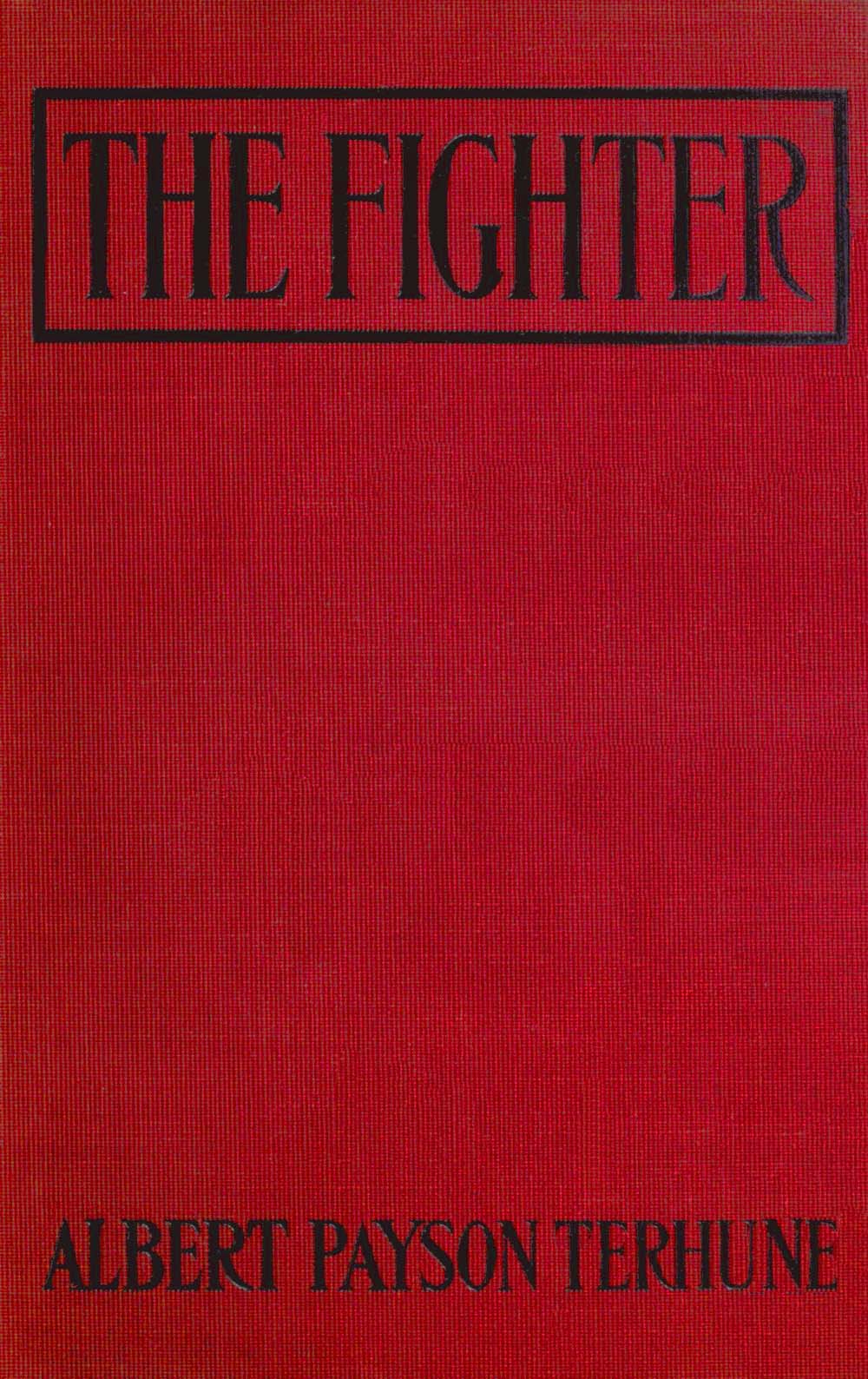
The Fighter, written by Albert Payson Terhune in the early 20th century, follows Caleb Conover, a self-made man who achieves success through determination and business savvy. The novel explores themes of ambition, class conflict, and personal relationships as Conover faces various challenges in his pursuit of wealth and social standing. This work is notable for its depiction of the American spirit and the struggles of a fighter in both business and life.
Editions
X-Ray
“He ain't never been hit, nor yet swore at. An' he don't need to be. Treat him nice, like he's used to bein' treated. An' don't get sore on him if he mopes fer me, jes' at fust. Because he's sure to. Dogs ain't like folks. They got hearts. Folks has only got souls. I guess dogs has the best of it, at that.””
— Albert Payson Terhune
“There was a mysteriously comforting companionship in the dog's presence. Link found himself talking to him from time to time as to a fellow human. And the words did not echo back in eerie hollowness from the walls, as when he had sometimes sought to ease his desolation by talking aloud to himself.””
— Albert Payson Terhune
“Take your dog over to that corner," he ordered, "and keep him there." Link fought back a yearning to punch the judge, and surlily he obeyed the mandate. Into his memory jumped the things the groom had said about a dog being "gated." If that judge thought for one second that any of those mutts could hold a candle to Chum”
— Albert Payson Terhune
“Yes, Miss," expounded the groom. "'Gated' means 'shown the gate.' Some judges thins out a class that way, by sending the poorest dogs out of the ring first. Then again, some judges”
— Albert Payson Terhune
“The dog alone, Link spelled out, has pierced the vast barrier between humans and other beasts, and has ranged himself, willingly and joyously, on the side of Man. For Man's sake the dog will not only starve and suffer and lay down his life, but will betray his fellow quadrupeds. Man is the dog's god.””
— Albert Payson Terhune
“He knew, as by revelation, that his adoring dog now shunned him because Link was drunk. From the first, Chum's look of utter worship and his eagerly happy obedience had been a joy to Link. The subtly complete change in his worshiper's demeanor jarred sharply on the man's raw nerves. He felt vaguely unclean”
— Albert Payson Terhune
“Then, his odd collie sense had told him that for some reason this staggering and hiccuping creature was not the master whom he knew and loved. This man was strangely different from the Link Ferris whom Chum knew. Puzzled, the dog had halted and had stood irresolute.””
— Albert Payson Terhune
“wished he might carry it into the enemies' own country. But his god was lying helpless at his feet and making queer sounds of distress. The dog's place was here. The joy of battle must be foregone.””
— Albert Payson Terhune
“Link's father had had an inborn hatred of dogs. He would not allow one on the place. His overt excuse was that they killed sheep and worried cattle, and that he could not afford to risk the well-being of his scanty hoard of stock. Thus, Link had grown to manhood with no dog at his heels, and without knowing the normal human's love for canine chumship.””
— Albert Payson Terhune
Link to this book
Add a free, dofollow link to Lex on your blog, forum, syllabus, or reading list.

<a href="https://lex-books.com/book/the-fighter-00eb4e49-f1f7-40dc-8da1-536fe8293534"><img src="https://lex-books.com/badges/read-on-lex.svg" alt="Read The Fighter by Albert Payson Terhune free on Lex" width="160" height="40"></a>[](https://lex-books.com/book/the-fighter-00eb4e49-f1f7-40dc-8da1-536fe8293534)[url=https://lex-books.com/book/the-fighter-00eb4e49-f1f7-40dc-8da1-536fe8293534][img]https://lex-books.com/badges/read-on-lex.svg[/img][/url]Read The Fighter by Albert Payson Terhune free on Lex: https://lex-books.com/book/the-fighter-00eb4e49-f1f7-40dc-8da1-536fe8293534Cite this book
Reading this edition for a paper or guide? Copy a citation.
Terhune, Albert Payson. The Fighter. Lex, lex-books.com/book/the-fighter-00eb4e49-f1f7-40dc-8da1-536fe8293534.Terhune, A. P. (n.d.). The Fighter. Lex. https://lex-books.com/book/the-fighter-00eb4e49-f1f7-40dc-8da1-536fe8293534Terhune, Albert Payson. The Fighter. Lex. https://lex-books.com/book/the-fighter-00eb4e49-f1f7-40dc-8da1-536fe8293534.