La Dama Errantela Raza, Tomo I
1961
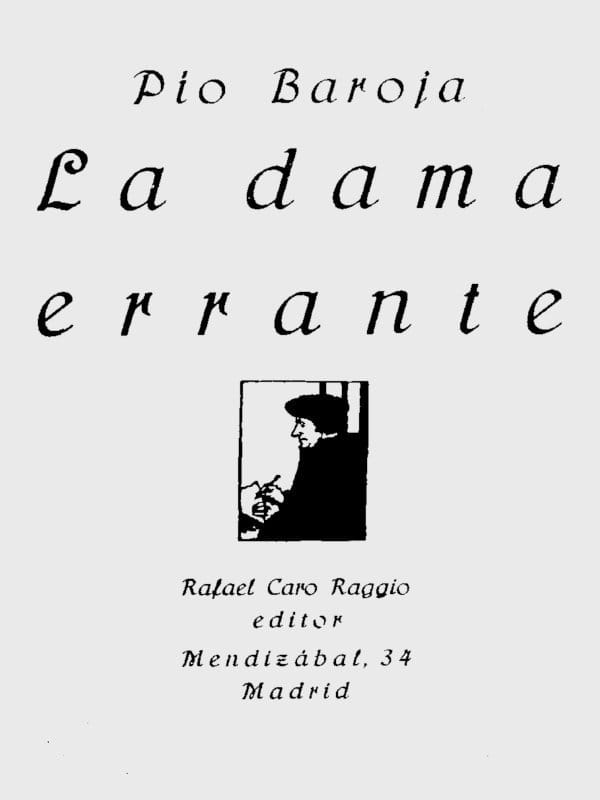
''La dama errante'' by Pío Baroja is a novel written in the early 20th century. The story delves into the life of María Aracil, a young woman navigating her childhood and early adulthood within a complex familial and social environment. The narrative promises to explore themes of individuality, societal expectations, and the struggles of gender roles during a time of change in Spain. The opening of ''La dama errante'' introduces readers to María, who grapples with the difficulties of childhood in a repressive Spanish society. Notably, her beloved grandmother, Rosa, plays a significant role in her early life, providing warmth and nurturing amidst the challenges. As María grows, the text hints at her education and burgeoning independence, shaped by her interactions with family members and the broader societal pressures surrounding women's roles. Additionally, her father's character, Dr. Aracil, is portrayed as a somewhat egocentric figure, contrasting with the earnestness of her affectionate cousin Venancio, suggesting an exploration of differing ideologies and tensions that will impact María's development.
Editions
Link to this book
Add a free, dofollow link to Lex on your blog, forum, syllabus, or reading list.

<a href="https://lex-books.com/book/la-dama-errantela-raza-tomo-i-77744885-3146-4b5d-a41b-b2cf5e42668f"><img src="https://lex-books.com/badges/read-on-lex.svg" alt="Read La Dama Errantela Raza, Tomo I by Pío Baroja free on Lex" width="160" height="40"></a>[](https://lex-books.com/book/la-dama-errantela-raza-tomo-i-77744885-3146-4b5d-a41b-b2cf5e42668f)[url=https://lex-books.com/book/la-dama-errantela-raza-tomo-i-77744885-3146-4b5d-a41b-b2cf5e42668f][img]https://lex-books.com/badges/read-on-lex.svg[/img][/url]Read La Dama Errantela Raza, Tomo I by Pío Baroja free on Lex: https://lex-books.com/book/la-dama-errantela-raza-tomo-i-77744885-3146-4b5d-a41b-b2cf5e42668fCite this book
Reading this edition for a paper or guide? Copy a citation.
Baroja, Pío. La Dama Errantela Raza, Tomo I. Lex, lex-books.com/book/la-dama-errantela-raza-tomo-i-77744885-3146-4b5d-a41b-b2cf5e42668f.Baroja, P. (1961). La Dama Errantela Raza, Tomo I. Lex. https://lex-books.com/book/la-dama-errantela-raza-tomo-i-77744885-3146-4b5d-a41b-b2cf5e42668fBaroja, Pío. La Dama Errantela Raza, Tomo I. Lex. https://lex-books.com/book/la-dama-errantela-raza-tomo-i-77744885-3146-4b5d-a41b-b2cf5e42668f.