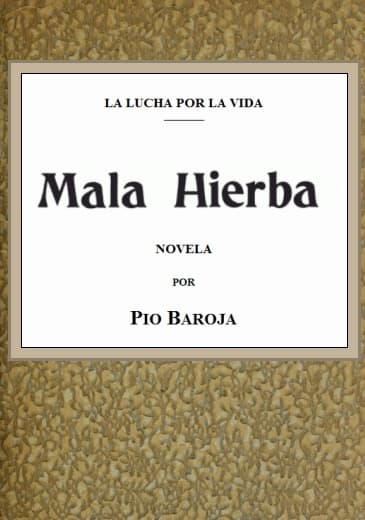
La Lucha Por La Vida: Aurora Roja
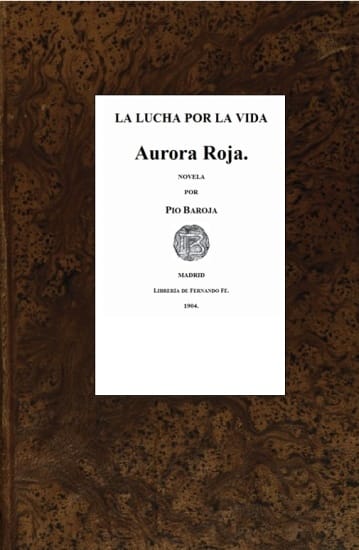
''La lucha por la vida: Aurora roja'' is a novel by Pío Baroja, written in the early 20th century. It follows Juan, a young seminarian who abandons his religious studies to confront his crisis of faith and societal expectations. The story delves into themes of self-discovery, personal freedom, and philosophical reflections on life. Baroja's work is notable for its exploration of youth's struggles against convention and the quest for authenticity.
Editions
Ebooks
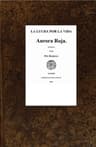
La Lucha Por La Vida: Aurora RojaCurrent
Project Gutenberg · 241 pages (Spanish)
Link to this book
Add a free, dofollow link to Lex on your blog, forum, syllabus, or reading list.

HTML
<a href="https://lex-books.com/book/la-lucha-por-la-vida-aurora-roja-8a1a0747-cd28-4652-b4c6-2de8bc1751f7"><img src="https://lex-books.com/badges/read-on-lex.svg" alt="Read La Lucha Por La Vida: Aurora Roja by Pío Baroja free on Lex" width="160" height="40"></a>Markdown
[](https://lex-books.com/book/la-lucha-por-la-vida-aurora-roja-8a1a0747-cd28-4652-b4c6-2de8bc1751f7)BBCode
[url=https://lex-books.com/book/la-lucha-por-la-vida-aurora-roja-8a1a0747-cd28-4652-b4c6-2de8bc1751f7][img]https://lex-books.com/badges/read-on-lex.svg[/img][/url]Plain link
Read La Lucha Por La Vida: Aurora Roja by Pío Baroja free on Lex: https://lex-books.com/book/la-lucha-por-la-vida-aurora-roja-8a1a0747-cd28-4652-b4c6-2de8bc1751f7Cite this book
Reading this edition for a paper or guide? Copy a citation.
MLA
Baroja, Pío. La Lucha Por La Vida: Aurora Roja. Lex, lex-books.com/book/la-lucha-por-la-vida-aurora-roja-8a1a0747-cd28-4652-b4c6-2de8bc1751f7.APA
Baroja, P. (n.d.). La Lucha Por La Vida: Aurora Roja. Lex. https://lex-books.com/book/la-lucha-por-la-vida-aurora-roja-8a1a0747-cd28-4652-b4c6-2de8bc1751f7Chicago
Baroja, Pío. La Lucha Por La Vida: Aurora Roja. Lex. https://lex-books.com/book/la-lucha-por-la-vida-aurora-roja-8a1a0747-cd28-4652-b4c6-2de8bc1751f7.