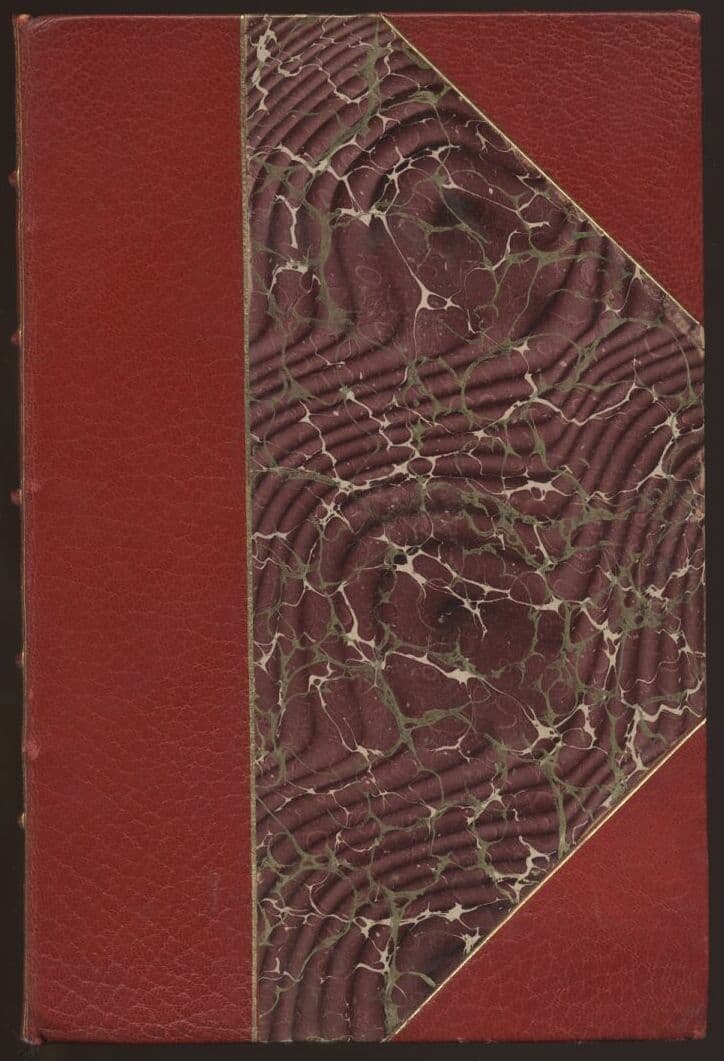
John Silence, Physician Extraordinary
1908

John Silence, Physician Extraordinary
1908
Published in 1908, 'John Silence, Physician Extraordinary' by Algernon Blackwood is a collection of supernatural tales featuring Dr. John Silence, a physician who specializes in psychical afflictions. The stories delve into the occult and the human psyche, exploring the boundaries between the natural and supernatural. Notable for its blend of horror and psychological depth, the collection includes six tales where Silence investigates mysterious cases, including hauntings and strange occurrences, that challenge the perception of reality. Blackwood's unique storytelling captures the tension and unease of the early 20th century's fascination with the unknown.
Editions
X-Ray
“To the Sabbath! To the Sabbath!' they cried. 'On to the Witches' Sabbath!" Up and down that narrow hall they danced, the women on each side of him, to the wildest measure he had ever imagined, yet which he dimly, dreadfully remembered, till the lamp on the wall flickered and went out, and they were left in total darkness. And the devil woke in his heart with a thousand vile suggestions and made him afraid.””
— Algernon Blackwood
“Era este hombre muy estirado y relamido, y la gente estirada y relamida suele vivir habitualmente en un mundo tan reducido que cualquier cosa violenta e inusitada les puede sacar brusca y completamente de él; por ello, esta clase de gente suele desconfiar instintivamente de todo lo que represente una cierta originalidad.””
— Algernon Blackwood
“Mingled with the smoke was the odour of moss and soil and bark, and the peculiar flavour of the Baltic, half salt, half brackish, like the smell of an estuary at low water.””
— Algernon Blackwood
“In all savage races it has been recognised and dreaded, this phenomenon styled ‘Wehr Wolf,’ but to-day it is rare. And it is becoming rarer still, for the world grows tame and civilised, emotions have become refined, desires lukewarm, and few men have savagery enough left in them to generate impulses of such intense force, and certainly not to project them in animal form.””
— Algernon Blackwood
“And there are some persons so constituted,” the doctor went on with increasing seriousness, “that the fluid body in them is but loosely associated with the physical, persons of poor health as a rule, yet often of strong desires and passions; and in these persons it is easy for the Double to dissociate itself during deep sleep from their system, and, driven forth by some consuming desire, to assume an animal form and seek the fulfilment of that desire.””
— Algernon Blackwood
“I’ll keep watch,” said the plucky Bo’sun’s Mate, “and meanwhile I find comfort in my work.” She was busy with the sketch she had begun on the day after our arrival. “For even a tree,” she added proudly, pointing to her little easel, “is a symbol of the divine, and the thought makes me feel safer.” We glanced for a moment at a daub which was more like the symptom of a disease than a symbol of the divine”
— Algernon Blackwood
“For all day long we were in the bath of the elements”
— Algernon Blackwood
“The water lay like a lake before us still coloured by the sunset. The air was keen and scented, wafting the smell of the wooded islands that hung about us in the darkening air. Very small waves tumbled softly on the sand. The sea was sown with stars, and everywhere breathed and pulsed the beauty of the northern summer night.””
— Algernon Blackwood
“The deep stillness, after that roar of steamers, trains, and tourists, held something that thrilled, for as we lay round the fire there was no sound but the faint sighing of the pines and the soft lapping of the waves along the shore and against the sides of the boat in the lagoon. The ghostly outline of her white sails was just visible through the trees, idly rocking to and fro in her calm anchorage, her sheets flapping gently against the mast. Beyond lay the dim blue shapes of other islands floating in the night, and from all the great spaces about us came the murmur of the sea and the soft breathing of great woods. The odours of the wilderness”
— Algernon Blackwood
Link to this book
Add a free, dofollow link to Lex on your blog, forum, syllabus, or reading list.

<a href="https://lex-books.com/book/john-silence-physician-extraordinary-730a6146-da3e-4b6e-a519-9bd193b17b90"><img src="https://lex-books.com/badges/read-on-lex.svg" alt="Read John Silence, Physician Extraordinary by Algernon Blackwood free on Lex" width="160" height="40"></a>[](https://lex-books.com/book/john-silence-physician-extraordinary-730a6146-da3e-4b6e-a519-9bd193b17b90)[url=https://lex-books.com/book/john-silence-physician-extraordinary-730a6146-da3e-4b6e-a519-9bd193b17b90][img]https://lex-books.com/badges/read-on-lex.svg[/img][/url]Read John Silence, Physician Extraordinary by Algernon Blackwood free on Lex: https://lex-books.com/book/john-silence-physician-extraordinary-730a6146-da3e-4b6e-a519-9bd193b17b90Cite this book
Reading this edition for a paper or guide? Copy a citation.
Blackwood, Algernon. John Silence, Physician Extraordinary. Lex, lex-books.com/book/john-silence-physician-extraordinary-730a6146-da3e-4b6e-a519-9bd193b17b90.Blackwood, A. (1908). John Silence, Physician Extraordinary. Lex. https://lex-books.com/book/john-silence-physician-extraordinary-730a6146-da3e-4b6e-a519-9bd193b17b90Blackwood, Algernon. John Silence, Physician Extraordinary. Lex. https://lex-books.com/book/john-silence-physician-extraordinary-730a6146-da3e-4b6e-a519-9bd193b17b90.