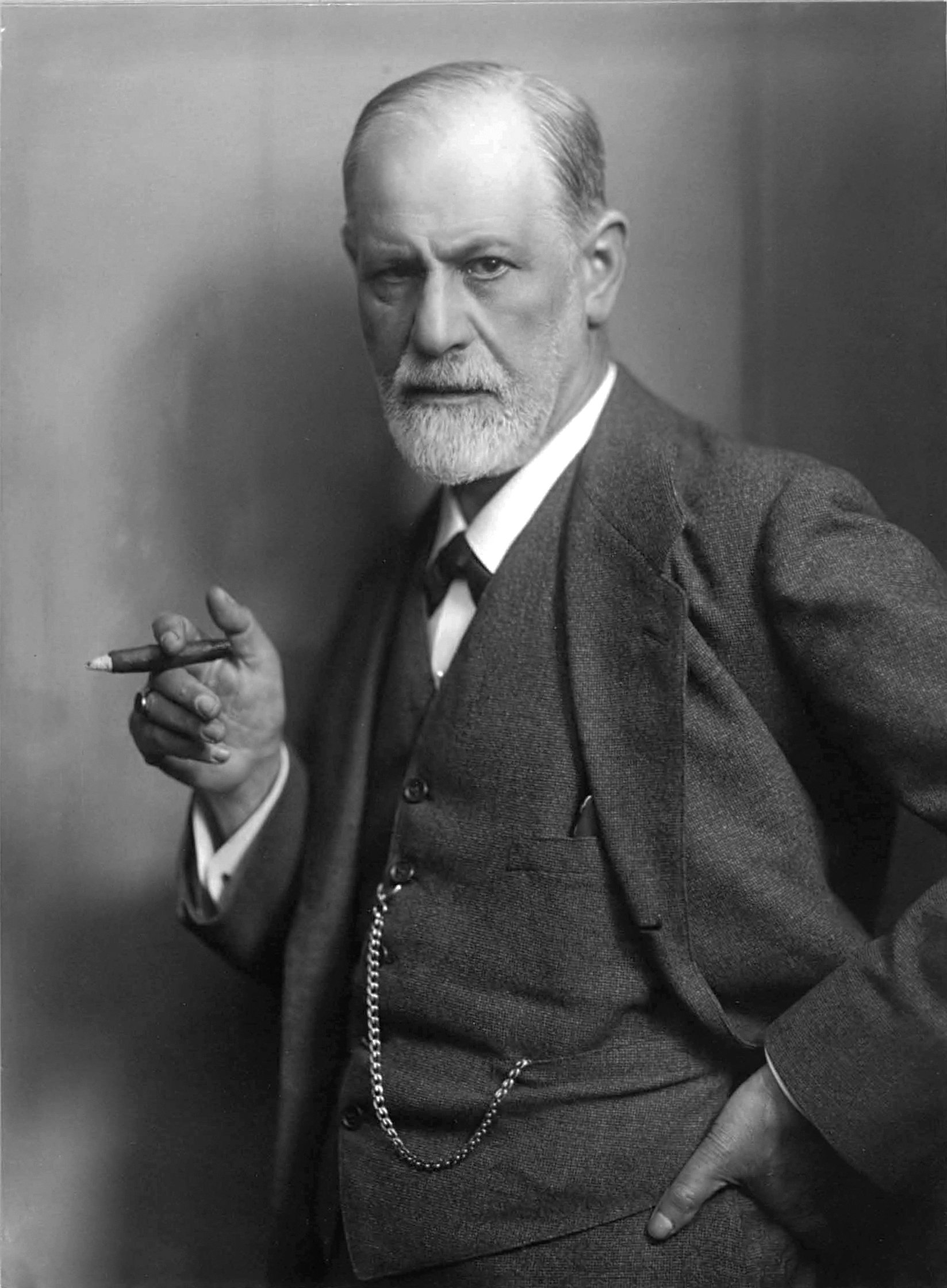
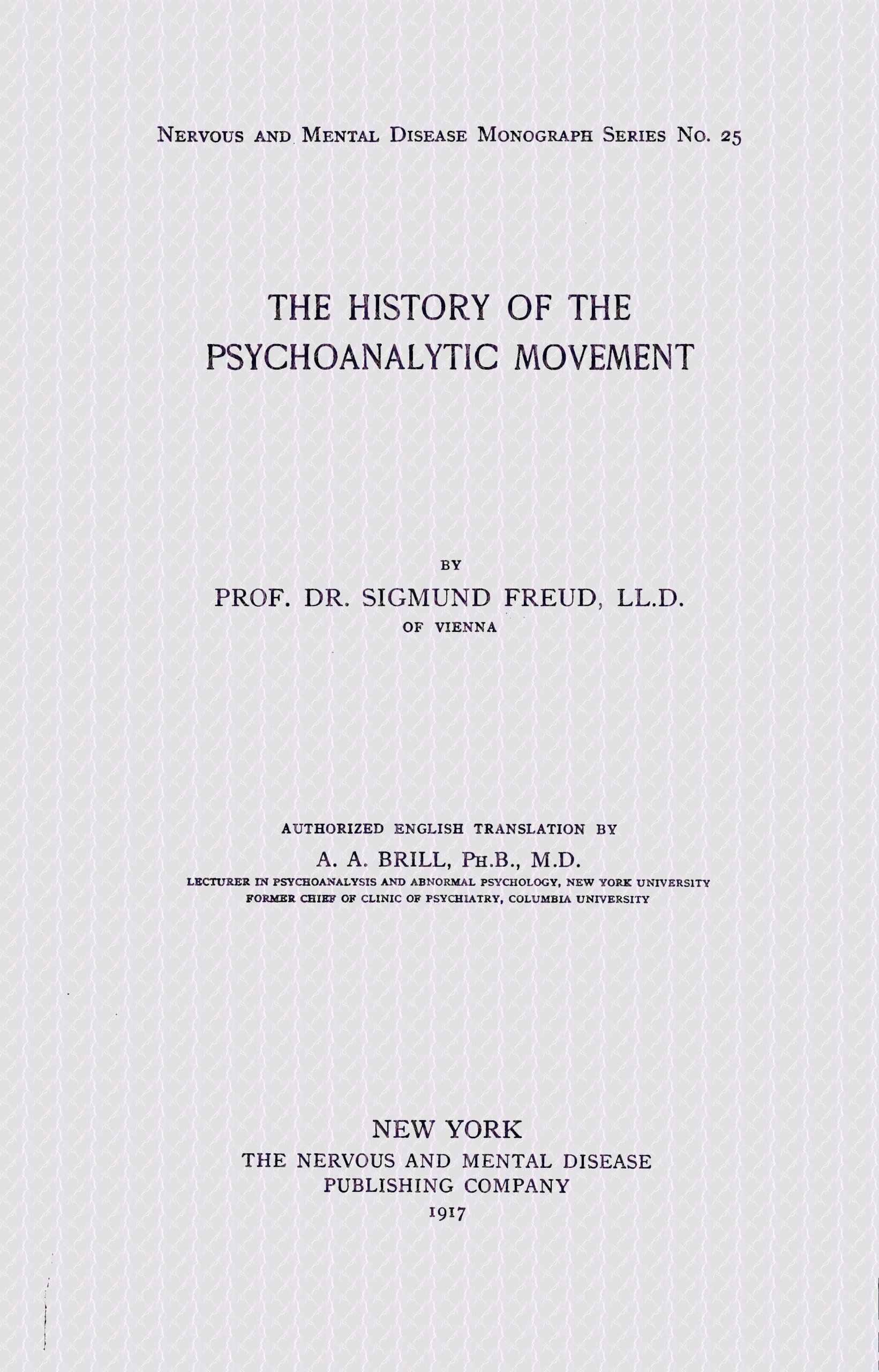
Group Psychology and the Analysis of the Ego
Group Psychology and the Analysis of the Ego
Translated by James Strachey
Freud wrote this in the aftermath of World War I, searching for answers after industrialized nations had descended into barbarism. His diagnosis remains unsettling: the crowd awakens something primitive in all of us. In groups, individuals abandon conscious thought and surrender to unconscious currents. Rational judgment evaporates. Moral restraints dissolve. The isolated, responsible self becomes subordinate to something impulsive, suggestible, and feral. Freud builds on Le Bon's observations but drills deeper, identifying the libidinal ties that bind followers to leaders and to each other. He shows how identification, suggestion, and emotional contagion create a collective mind inferior to the individuals who compose it. The book remains startlingly relevant for anyone trying to understand propaganda, nationalism, cults, or any mass movement where people stop thinking as individuals and start acting as something far more dangerous. It is not a comfortable book, but it is an honest one: Freud forces us to confront how easily we lose ourselves.
Editions
X-Ray
“As regards intellectual work it remains a fact, indeed, that great decisions in the realm of thought and momentous discoveries and solutions of problems are only possible to an individual, working in solitude.””
— Sigmund Freud
“A religion, even if it calls itself a religion of love, must be hard and unloving to those who do not belong to it.””
— Sigmund Freud
“He who knows how to wait need make no concessions.””
— Sigmund Freud
Link to this book
Add a free, dofollow link to Lex on your blog, forum, syllabus, or reading list.

<a href="https://lex-books.com/book/group-psychology-and-the-analysis-of-the-ego-50ac27c5-dfd6-4917-8a2e-494867afa58b"><img src="https://lex-books.com/badges/read-on-lex.svg" alt="Read Group Psychology and the Analysis of the Ego by Sigmund Freud free on Lex" width="160" height="40"></a>[](https://lex-books.com/book/group-psychology-and-the-analysis-of-the-ego-50ac27c5-dfd6-4917-8a2e-494867afa58b)[url=https://lex-books.com/book/group-psychology-and-the-analysis-of-the-ego-50ac27c5-dfd6-4917-8a2e-494867afa58b][img]https://lex-books.com/badges/read-on-lex.svg[/img][/url]Read Group Psychology and the Analysis of the Ego by Sigmund Freud free on Lex: https://lex-books.com/book/group-psychology-and-the-analysis-of-the-ego-50ac27c5-dfd6-4917-8a2e-494867afa58bCite this book
Reading this edition for a paper or guide? Copy a citation.
Freud, Sigmund. Group Psychology and the Analysis of the Ego. Lex, lex-books.com/book/group-psychology-and-the-analysis-of-the-ego-50ac27c5-dfd6-4917-8a2e-494867afa58b.Freud, S. (n.d.). Group Psychology and the Analysis of the Ego. Lex. https://lex-books.com/book/group-psychology-and-the-analysis-of-the-ego-50ac27c5-dfd6-4917-8a2e-494867afa58bFreud, Sigmund. Group Psychology and the Analysis of the Ego. Lex. https://lex-books.com/book/group-psychology-and-the-analysis-of-the-ego-50ac27c5-dfd6-4917-8a2e-494867afa58b.