The History of the Psychoanalytic Movement
1914
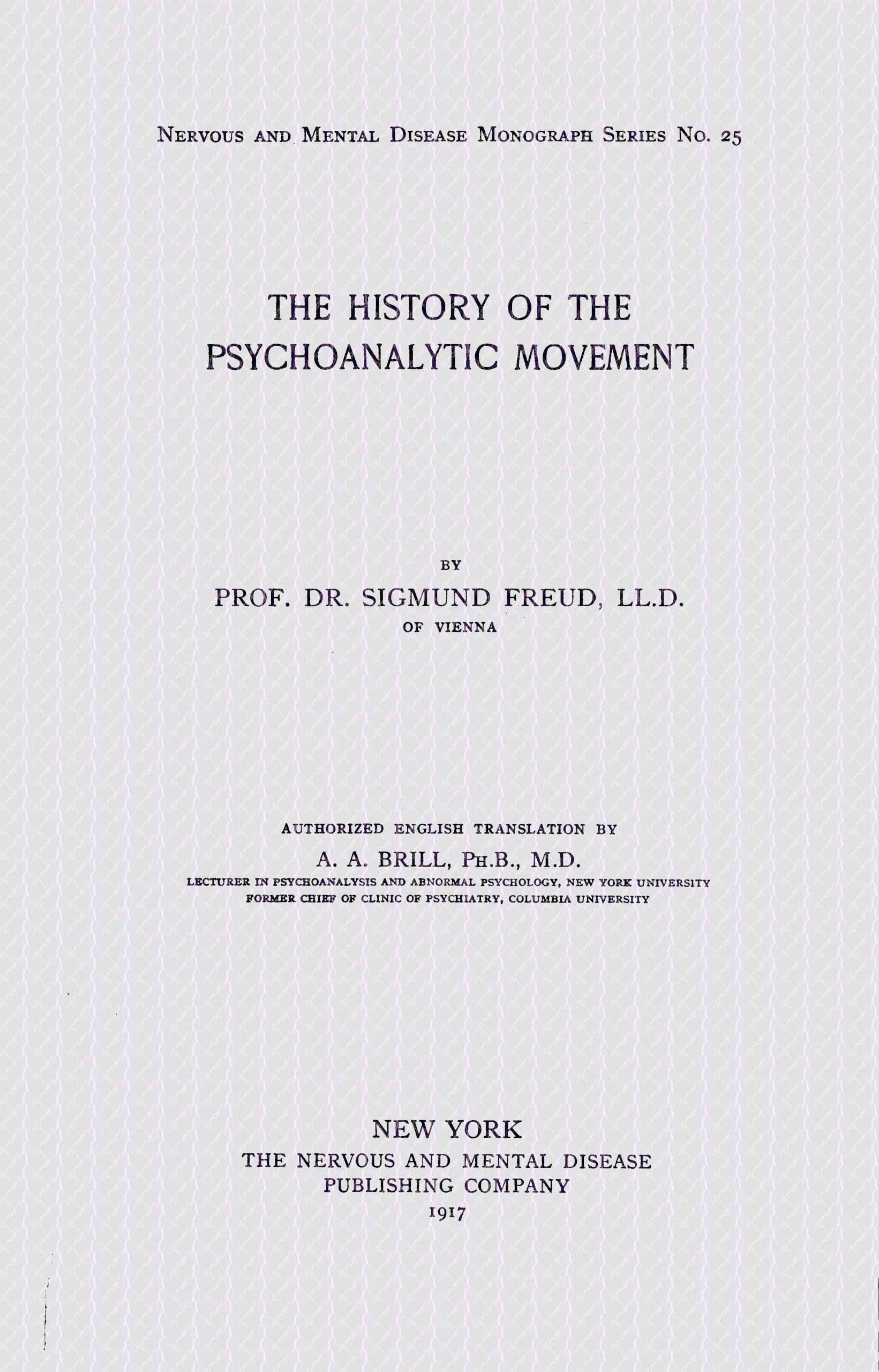
The History of the Psychoanalytic Movement
1914
Translated by A. A. (Abraham Arden) Brill
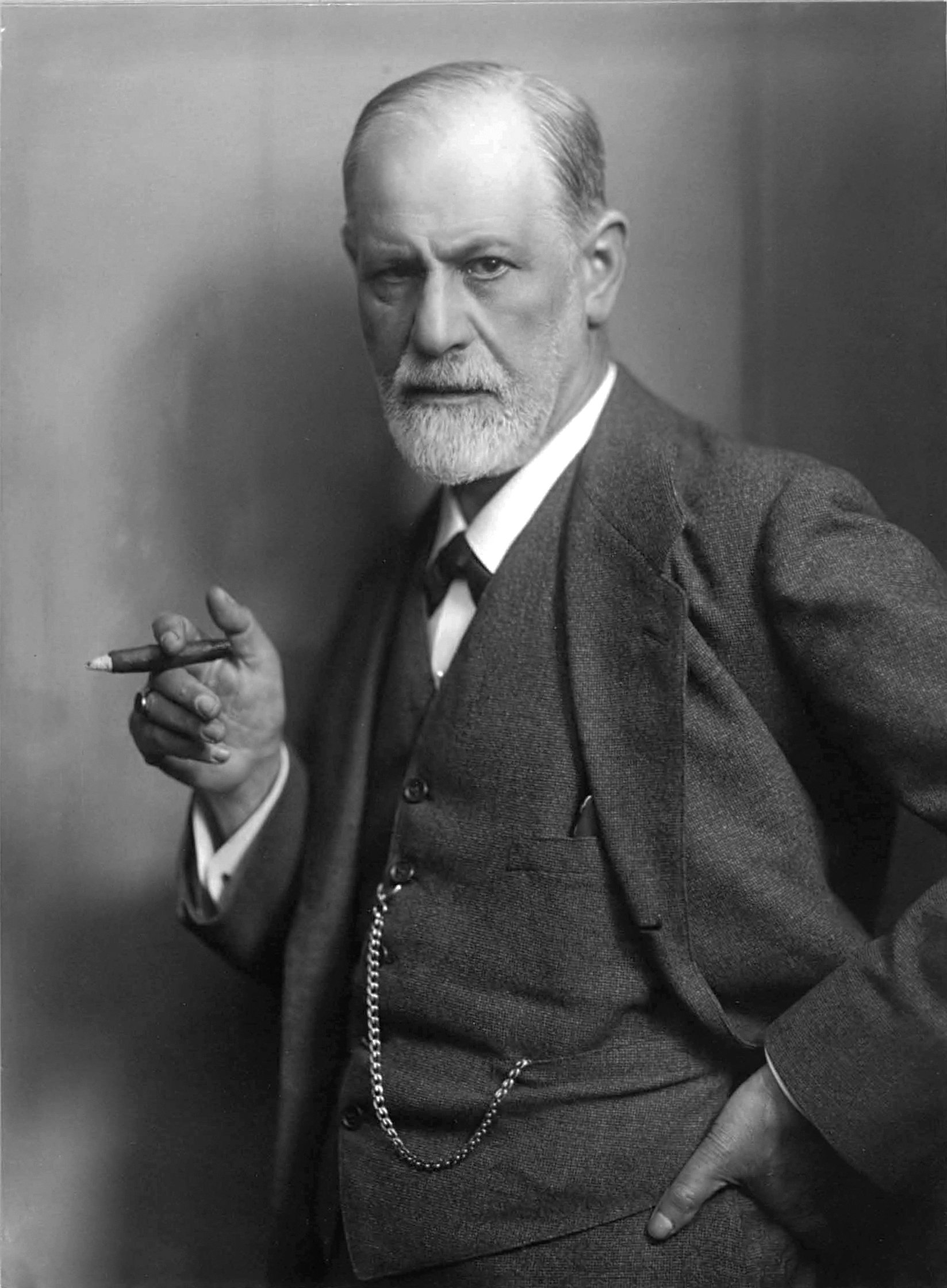
This is Freud writing history as a weapon. Published in 1914 as his movement cracked along its first fault lines, the book functions simultaneously as intellectual autobiography and polemical broadside against former disciples. Freud traces his journey from Breuer's cathartic method through the revolutionary pivot to free association, from the abandoned seduction theory to the explosive theory of infantile sexuality and psychic reality. He chronicles how dream interpretation held him steady through years of professional isolation, how the Vienna circle formed, how the Zürich alliance with Bleuler and Jung briefly promised legitimacy, and how American journals and societies spread his ideas across the Atlantic. Then comes the wound: Adler's departure and the founding of Individual Psychology, which Freud dismisses as a capitulation to bourgeois morality. The book foreshadows Jung's coming rupture. What makes it essential is not its objectivity but its revealing partiality. Freud fights to define psychoanalysis as he invented it, and in doing so, shows us how movements are built, defended, and fractured. It is psychology as told by its founder, determined that no one else tell it differently.
Editions

X-Ray
“There is a powerful force within us, an un-illuminated part of the mind – separate from the conscious mind that is constantly at work molding our thought, feelings, and actions.””
— Sigmund Freud
Link to this book
Add a free, dofollow link to Lex on your blog, forum, syllabus, or reading list.

<a href="https://lex-books.com/book/the-history-of-the-psychoanalytic-movement-19e3e32b-0b56-4a5f-9892-2332c4e41ed7"><img src="https://lex-books.com/badges/read-on-lex.svg" alt="Read The History of the Psychoanalytic Movement by Sigmund Freud free on Lex" width="160" height="40"></a>[](https://lex-books.com/book/the-history-of-the-psychoanalytic-movement-19e3e32b-0b56-4a5f-9892-2332c4e41ed7)[url=https://lex-books.com/book/the-history-of-the-psychoanalytic-movement-19e3e32b-0b56-4a5f-9892-2332c4e41ed7][img]https://lex-books.com/badges/read-on-lex.svg[/img][/url]Read The History of the Psychoanalytic Movement by Sigmund Freud free on Lex: https://lex-books.com/book/the-history-of-the-psychoanalytic-movement-19e3e32b-0b56-4a5f-9892-2332c4e41ed7Cite this book
Reading this edition for a paper or guide? Copy a citation.
Freud, Sigmund. The History of the Psychoanalytic Movement. Lex, lex-books.com/book/the-history-of-the-psychoanalytic-movement-19e3e32b-0b56-4a5f-9892-2332c4e41ed7.Freud, S. (1914). The History of the Psychoanalytic Movement. Lex. https://lex-books.com/book/the-history-of-the-psychoanalytic-movement-19e3e32b-0b56-4a5f-9892-2332c4e41ed7Freud, Sigmund. The History of the Psychoanalytic Movement. Lex. https://lex-books.com/book/the-history-of-the-psychoanalytic-movement-19e3e32b-0b56-4a5f-9892-2332c4e41ed7.