Future of the American Negro

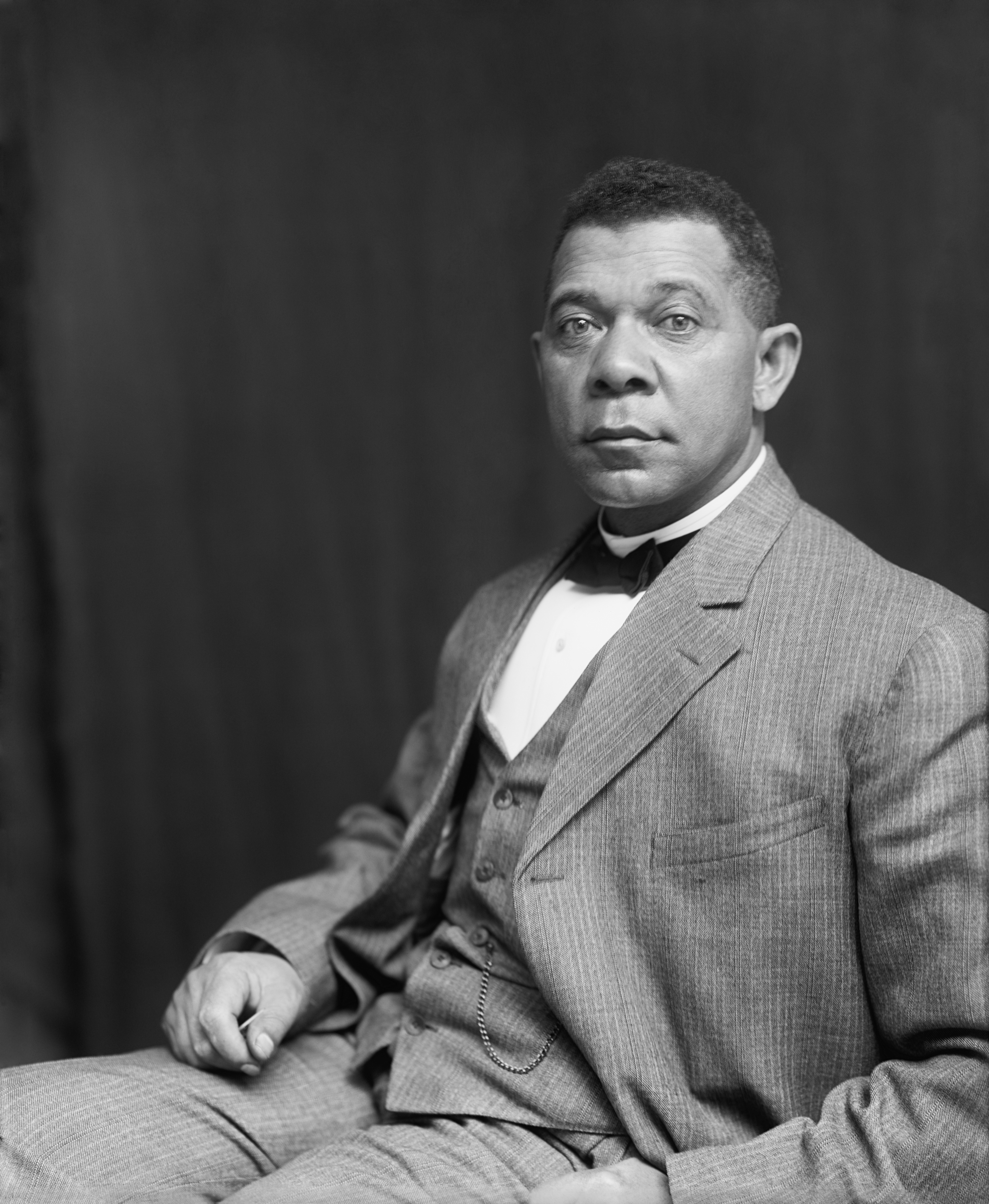
This collection of speeches from one of America's most consequential Black leaders maps a pragmatic path through the turbulent aftermath of Reconstruction. Booker T. Washington, former slave and founder of Tuskegee Institute, argues that economic independence and industrial education, not political confrontation, hold the key to Black advancement in the post-Reconstruction South. These addresses, delivered between 1899 and 1902, radiate fierce pragmatism and quiet defiance: Washington knew white power structures would not yield to moral suasion alone, so he advocated for Black communities to build wealth, skill, and institutional strength from within. Yet this is not mere accommodation. Washington understood that dignity must be earned before it could be demanded, and he refused to let white America off the moral hook while he worked around it. The speeches here reveal a leader navigating impossible constraints with strategic brilliance, offering both a historical document of racial politics at the turn of the century and a window into the complex strategies Black leaders employed when democracy was actively being rolled back.
Editions

Link to this book
Add a free, dofollow link to Lex on your blog, forum, syllabus, or reading list.

<a href="https://lex-books.com/book/future-of-the-american-negro-0b0e7c21-7067-42da-a045-e13a0f345c6c"><img src="https://lex-books.com/badges/read-on-lex.svg" alt="Read Future of the American Negro by Booker T. Washington free on Lex" width="160" height="40"></a>[](https://lex-books.com/book/future-of-the-american-negro-0b0e7c21-7067-42da-a045-e13a0f345c6c)[url=https://lex-books.com/book/future-of-the-american-negro-0b0e7c21-7067-42da-a045-e13a0f345c6c][img]https://lex-books.com/badges/read-on-lex.svg[/img][/url]Read Future of the American Negro by Booker T. Washington free on Lex: https://lex-books.com/book/future-of-the-american-negro-0b0e7c21-7067-42da-a045-e13a0f345c6cCite this book
Reading this edition for a paper or guide? Copy a citation.
Washington, Booker T.. Future of the American Negro. Lex, lex-books.com/book/future-of-the-american-negro-0b0e7c21-7067-42da-a045-e13a0f345c6c.Washington, B. T. (n.d.). Future of the American Negro. Lex. https://lex-books.com/book/future-of-the-american-negro-0b0e7c21-7067-42da-a045-e13a0f345c6cWashington, Booker T.. Future of the American Negro. Lex. https://lex-books.com/book/future-of-the-american-negro-0b0e7c21-7067-42da-a045-e13a0f345c6c.