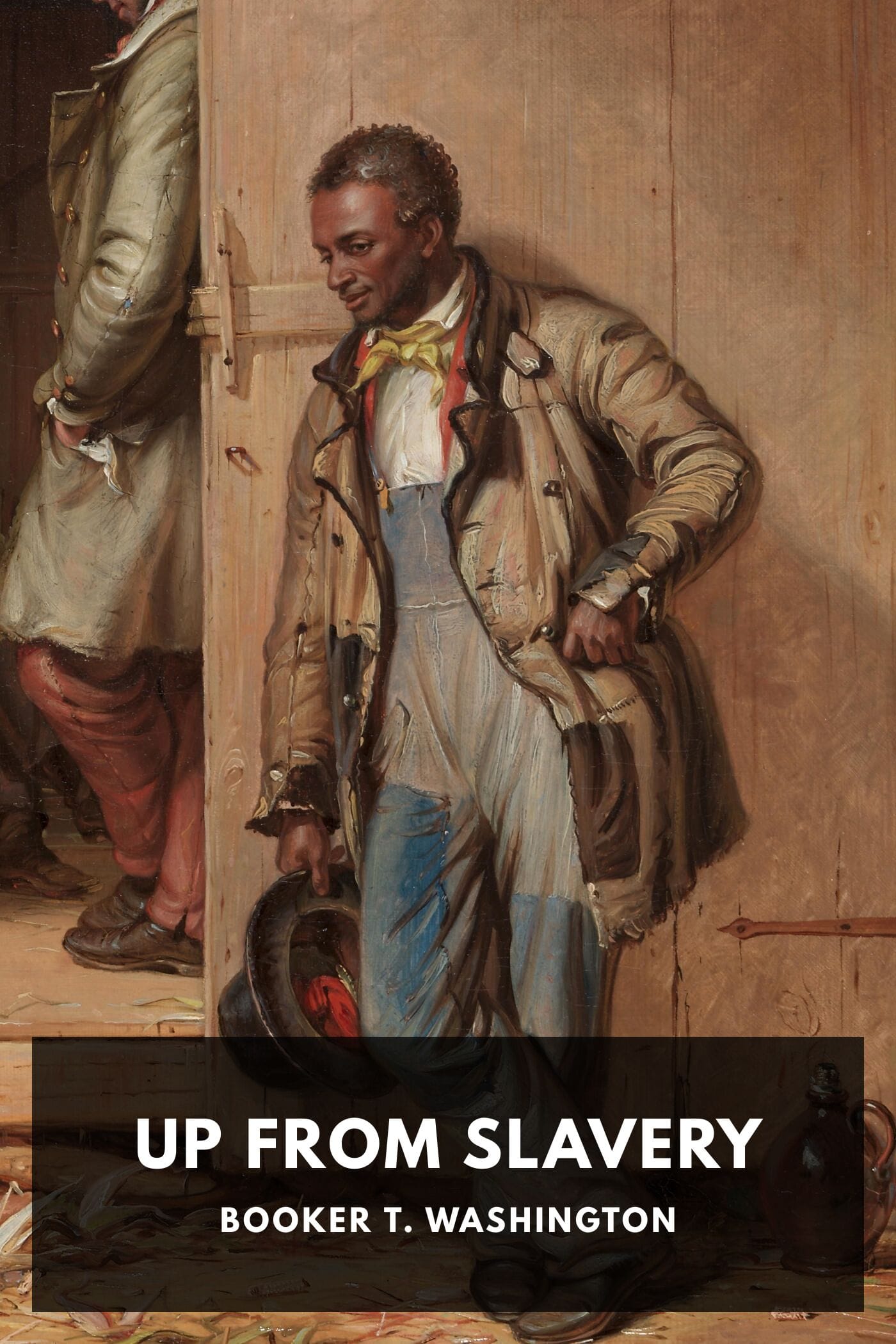
Up from Slavery
Booker T. Washington's autobiography, *Up from Slavery*, chronicles his remarkable journey from enslavement in Virginia to becoming a pivotal figure in American history. It details his tireless efforts in founding and leading the Tuskegee Institute, a groundbreaking technical college that emphasized industrial skills and self-sufficiency for African Americans. Washington vividly recounts the challenges and triumphs of building an institution where students literally constructed their own campus, grew their food, and forged their tools, embodying his philosophy that dignity in labor and practical education were the keys to upliftment and racial progress in post-Reconstruction America. More than a personal narrative, *Up from Slavery* is a foundational text in the discourse of race and education in the United States. Washington's advocacy for economic self-reliance and vocational training, famously articulated in his Atlanta Compromise speech, profoundly shaped the strategies for African American advancement in the early 20th century. Though his accommodationist approach would later draw criticism, his compelling prose and unwavering belief in meritocracy offer invaluable insight into the complex sociopolitical landscape of his era, making this a vital read for understanding the roots of civil rights and the enduring power of education.
Editions

X-Ray
Born into slavery, becomes the founder and principal of Tuskegee Institute. A prominent educator and speaker who advocates for industrial education and racial cooperation.
Founder and principal of Hampton Institute, Washington's mentor and inspiration. A white Civil War general dedicated to educating freed slaves through industrial training.
Co-founder of Tuskegee Institute, Washington's second wife. A dedicated educator who worked tirelessly to establish and fund the school until her death in 1889.
Washington's third wife, a Fisk University graduate who became Lady Principal at Tuskegee. Active in women's clubs and community work.
About Up from Slavery
Chapter Summaries
- 1
- Washington describes his birth into slavery on a Virginia plantation, his family's living conditions in a one-room cabin, and the harsh realities of slave life. He reflects on the impact of slavery on both races and the moment of emancipation.
- 2
- After emancipation, the family moves to West Virginia where Washington works in salt furnaces and coal mines while desperately trying to get an education. He learns to read using Webster's spelling book and eventually attends school.
- 3
- Washington hears about Hampton Institute and determines to attend. He works for Mrs. Ruffner, learning valuable lessons about cleanliness and honesty, before making the difficult journey to Hampton.
Key Themes
- Education as Liberation
- Washington views education, particularly industrial training, as the key to racial advancement and personal freedom. He emphasizes practical skills over classical education as the path to economic independence.
- Self-Reliance and Hard Work
- The autobiography consistently promotes the values of self-help, manual labor, and personal responsibility as essential for both individual success and racial progress.
- Racial Accommodation
- Washington advocates for gradual progress through cooperation with white Southerners rather than confrontation, famously expressed in his Atlanta Exposition address about being 'separate as fingers, yet one as the hand.'
Characters
- Booker T. Washington(protagonist)
- Born into slavery, becomes the founder and principal of Tuskegee Institute. A prominent educator and speaker who advocates for industrial education and racial cooperation.
- General Samuel C. Armstrong(major)
- Founder and principal of Hampton Institute, Washington's mentor and inspiration. A white Civil War general dedicated to educating freed slaves through industrial training.
- Olivia A. Davidson(major)
- Co-founder of Tuskegee Institute, Washington's second wife. A dedicated educator who worked tirelessly to establish and fund the school until her death in 1889.
- Margaret James Murray Washington(major)
- Washington's third wife, a Fisk University graduate who became Lady Principal at Tuskegee. Active in women's clubs and community work.
- Washington's Mother(major)
- A slave who worked as the plantation cook. Deeply supportive of her children's education despite her own illiteracy. Dies while Washington is at Hampton.
- John Washington(minor)
- Washington's older brother who worked in coal mines to support the family and later attended Hampton Institute.
Link to this book
Add a free, dofollow link to Lex on your blog, forum, syllabus, or reading list.

<a href="https://lex-books.com/book/up-from-slavery-a749075d-f159-4e47-bcdc-af2c550a937c"><img src="https://lex-books.com/badges/read-on-lex.svg" alt="Read Up from Slavery by Booker T. Washington free on Lex" width="160" height="40"></a>[](https://lex-books.com/book/up-from-slavery-a749075d-f159-4e47-bcdc-af2c550a937c)[url=https://lex-books.com/book/up-from-slavery-a749075d-f159-4e47-bcdc-af2c550a937c][img]https://lex-books.com/badges/read-on-lex.svg[/img][/url]Read Up from Slavery by Booker T. Washington free on Lex: https://lex-books.com/book/up-from-slavery-a749075d-f159-4e47-bcdc-af2c550a937cCite this book
Reading this edition for a paper or guide? Copy a citation.
Washington, Booker T.. Up from Slavery. Lex, lex-books.com/book/up-from-slavery-a749075d-f159-4e47-bcdc-af2c550a937c.Washington, B. T. (n.d.). Up from Slavery. Lex. https://lex-books.com/book/up-from-slavery-a749075d-f159-4e47-bcdc-af2c550a937cWashington, Booker T.. Up from Slavery. Lex. https://lex-books.com/book/up-from-slavery-a749075d-f159-4e47-bcdc-af2c550a937c.