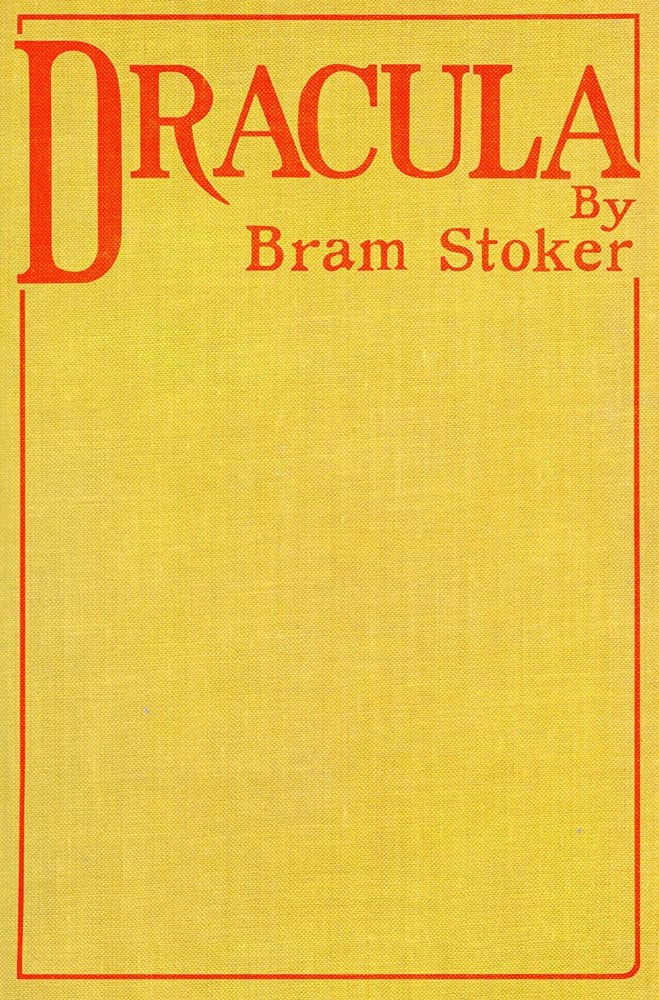
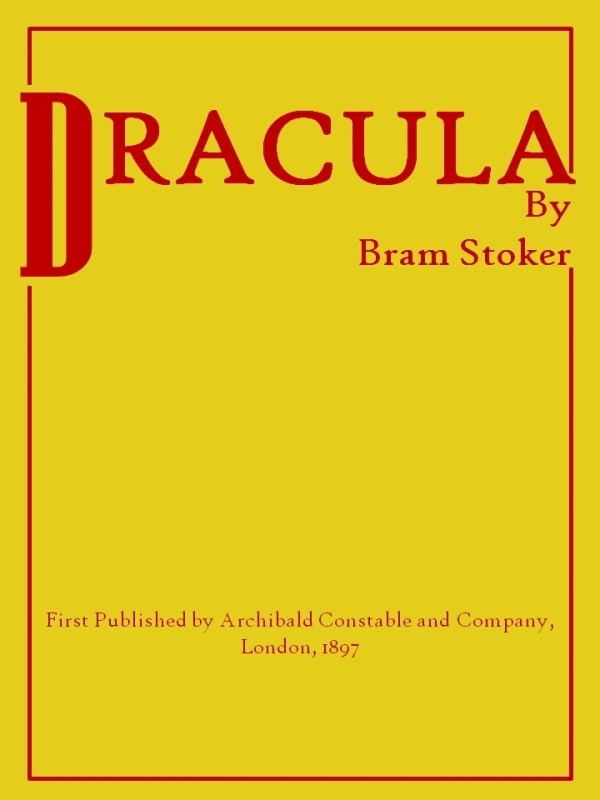
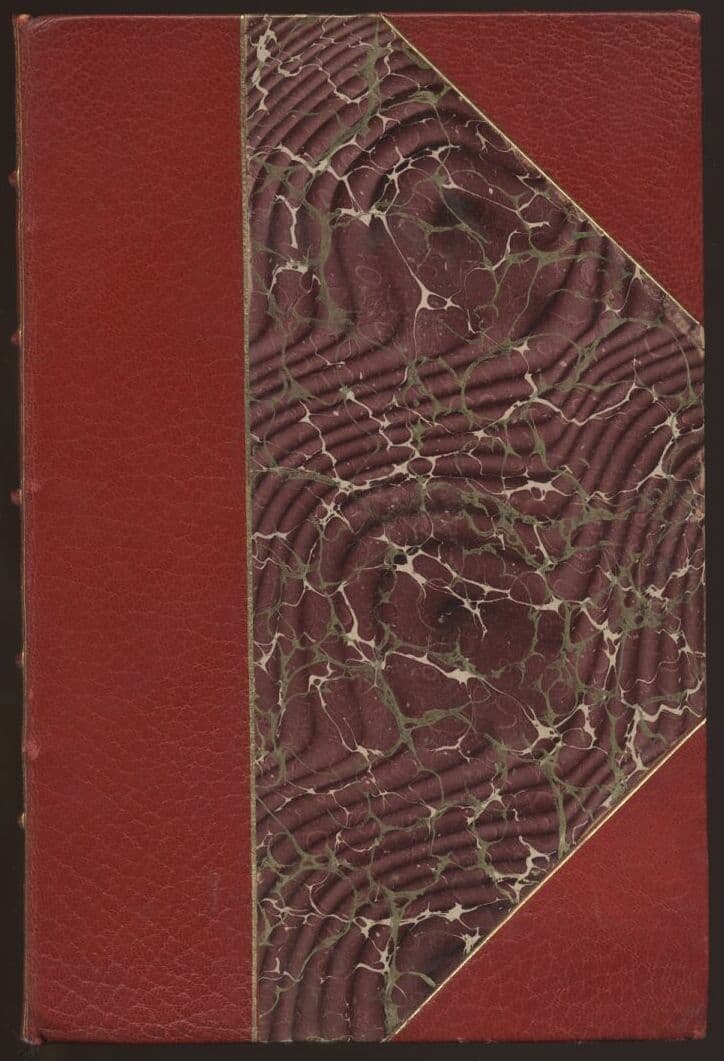
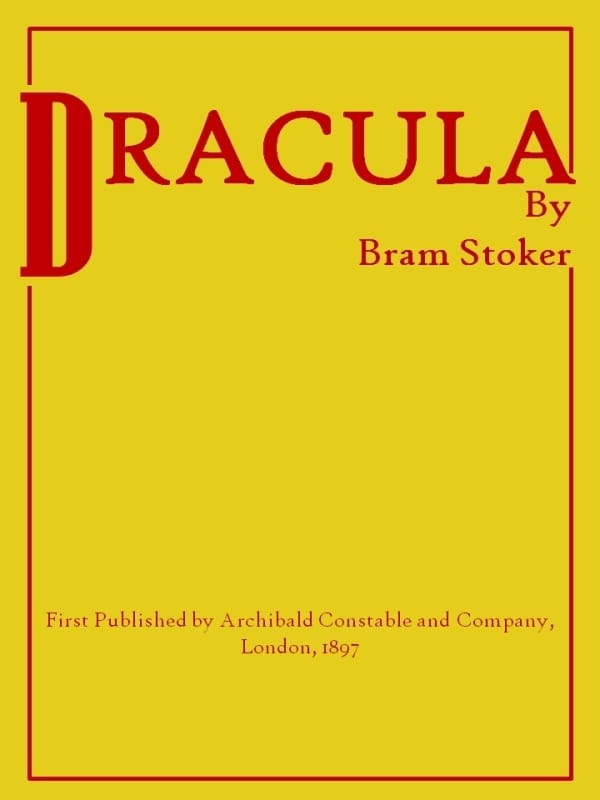
Dracula
1897
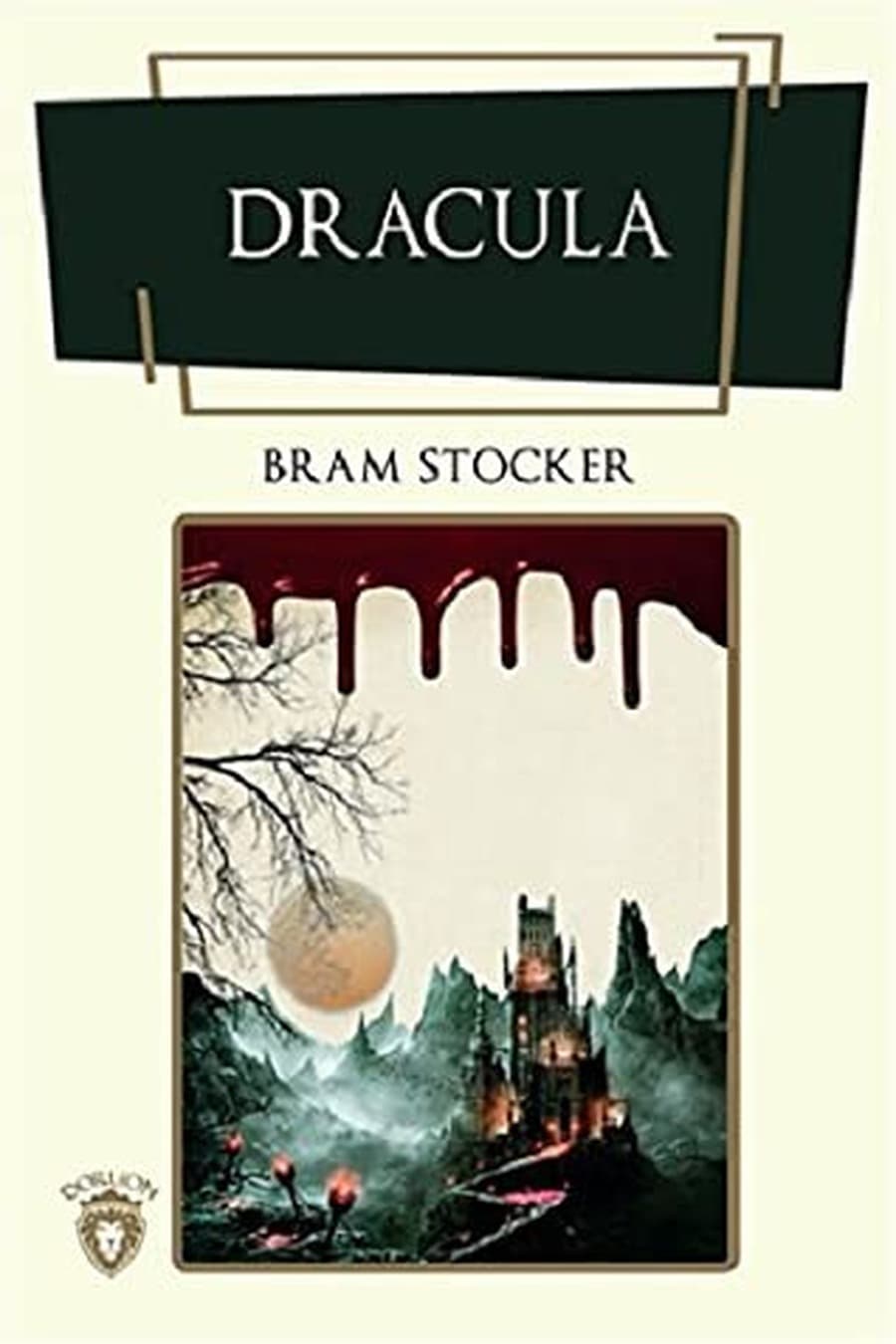
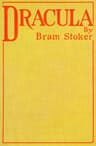
Told entirely through letters, diary entries, and newspaper clippings, Dracula creates an intimacy that makes the horror unbearable. Jonathan Harker travels to Transylvania to help a mysterious count purchase an English estate, only to discover he is a prisoner in a castle of nightmares. When Dracula follows his clerk to England, the ancient evil arrives in Whitby and begins its methodical spread through blood and obsession. A small group of hunters, led by the remarkable Van Helsing, must track down the vampire before it's too late. What elevates Stoker's masterpiece beyond mere horror is its suffocating atmosphere of dread and the way it channels Victorian anxieties about sexuality, invasion, and the monstrous within. The novel operates on multiple levels: a gripping tale of supernatural terror, a meditation on desire and corruption, and a chilling exploration of what lies beneath respectable society. It remains the foundational text of vampire fiction, yet its power comes not from the monster but from the question it asks: what if the darkness came for you?
Editions

X-Ray
“We learn from failure, not from success!””
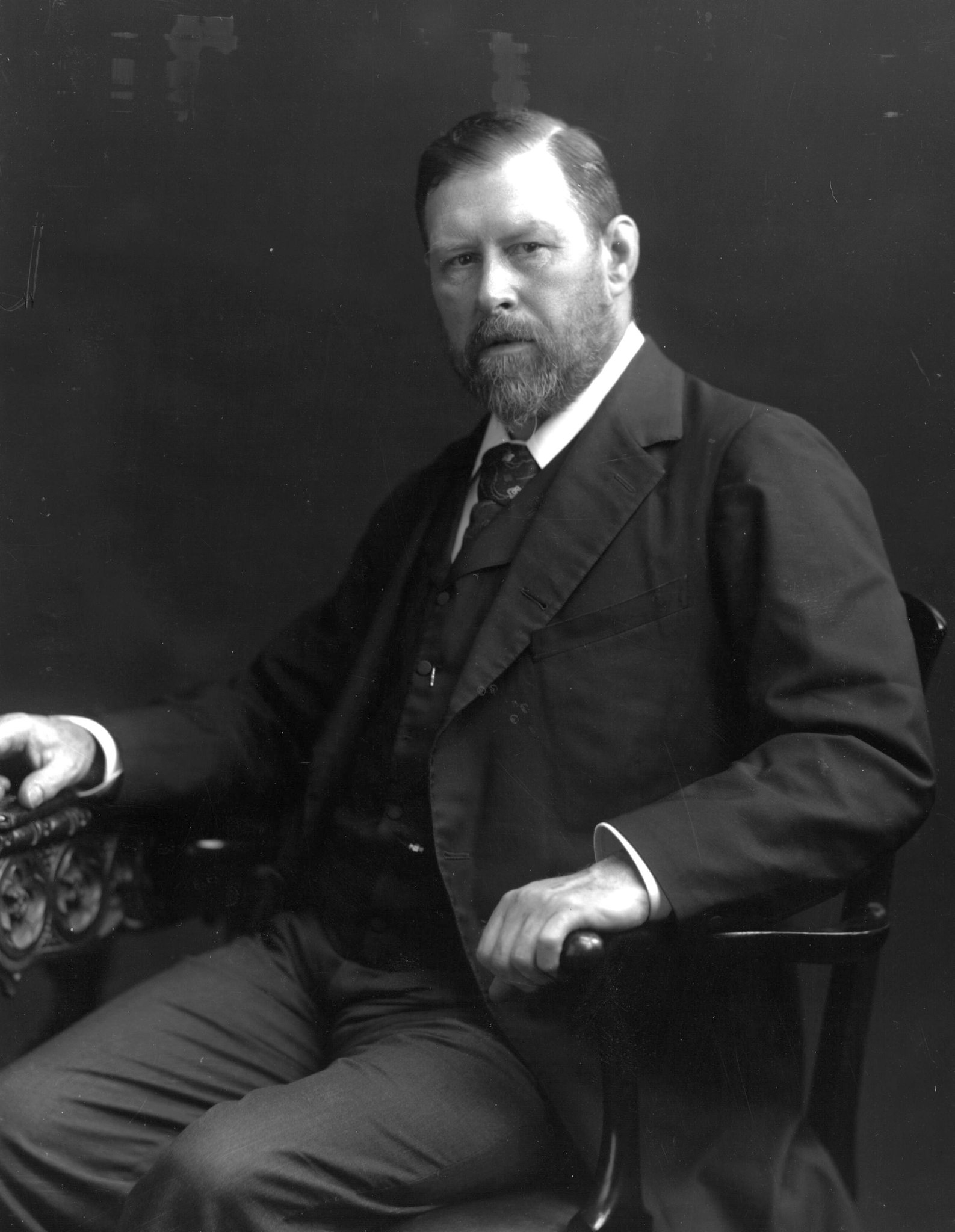
— Bram Stoker
“I am longing to be with you, and by the sea, where we can talk together freely and build our castles in the air.””
— Bram Stoker
“Once again...welcome to my house. Come freely. Go safely; and leave something of the happiness you bring.””
— Bram Stoker
“I am all in a sea of wonders. I doubt; I fear; I think strange things, which I dare not confess to my own soul.””
— Bram Stoker
“There is a reason why all things are as they are.””
— Bram Stoker
“Remember my friend, that knowledge is stronger than memory, and we should not trust the weaker””
— Bram Stoker
“I want you to believe...to believe in things that you cannot.””
— Bram Stoker
“Despair has its own calms.””
— Bram Stoker
“Loneliness will sit over our roofs with brooding wings.””
— Bram Stoker
Link to this book
Add a free, dofollow link to Lex on your blog, forum, syllabus, or reading list.

<a href="https://lex-books.com/book/dracula-6f67ecce-238c-442e-9d1f-b09ecc85ad6a"><img src="https://lex-books.com/badges/read-on-lex.svg" alt="Read Dracula by Bram Stoker free on Lex" width="160" height="40"></a>[](https://lex-books.com/book/dracula-6f67ecce-238c-442e-9d1f-b09ecc85ad6a)[url=https://lex-books.com/book/dracula-6f67ecce-238c-442e-9d1f-b09ecc85ad6a][img]https://lex-books.com/badges/read-on-lex.svg[/img][/url]Read Dracula by Bram Stoker free on Lex: https://lex-books.com/book/dracula-6f67ecce-238c-442e-9d1f-b09ecc85ad6aCite this book
Reading this edition for a paper or guide? Copy a citation.
Stoker, Bram. Dracula. Lex, lex-books.com/book/dracula-6f67ecce-238c-442e-9d1f-b09ecc85ad6a.Stoker, B. (1897). Dracula. Lex. https://lex-books.com/book/dracula-6f67ecce-238c-442e-9d1f-b09ecc85ad6aStoker, Bram. Dracula. Lex. https://lex-books.com/book/dracula-6f67ecce-238c-442e-9d1f-b09ecc85ad6a.