Don Juan, or The Feast with the Statue
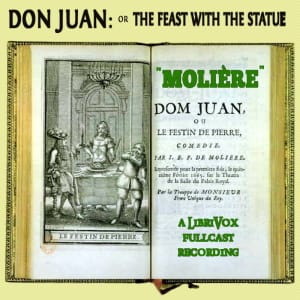
Don Juan is the most dangerous man in France: a young nobleman whose wit is matched only by hisComplete disregard for every law, human and divine. He has seduced nuns, abandoned wives, and murdered a man in cold blood, all while maintaining perfect manners and a smile. When the ghost of his victim, the Commander, appears at dinner to warn him, Don Juan invites the statue back for a feast. He will not repent. He will not fear. And in the end, the earth itself swallows him whole. Molière wrote this play in 1665 and it was banned after just fifteen performances. The authorities found it intolerable: a comedy that took damnation lightly, a hero with no redeeming qualities whatsoever, and a sharp critique of religious hypocrisy dressed in the language of gallantry. Yet what makes Don Juan endure is not its scandal but its complexity. He is charming, intelligent, and utterly ruthless. He uses faith as a weapon and love as a game. The play asks an uncomfortable question: what happens when someone simply refuses to believe in consequences? For readers who crave antiheroes before the term existed, this is the original.
Editions

Read by
Group Narration
5 readers
Larry Wilson, Kurt, Adrian Stephens, Matea Bracic +11 more
Link to this book
Add a free, dofollow link to Lex on your blog, forum, syllabus, or reading list.

<a href="https://lex-books.com/book/don-juan-or-the-feast-with-the-statue-0e2d30b3-b26c-4694-be31-4592534d1edc"><img src="https://lex-books.com/badges/read-on-lex.svg" alt="Read Don Juan, or The Feast with the Statue by Molière free on Lex" width="160" height="40"></a>[](https://lex-books.com/book/don-juan-or-the-feast-with-the-statue-0e2d30b3-b26c-4694-be31-4592534d1edc)[url=https://lex-books.com/book/don-juan-or-the-feast-with-the-statue-0e2d30b3-b26c-4694-be31-4592534d1edc][img]https://lex-books.com/badges/read-on-lex.svg[/img][/url]Read Don Juan, or The Feast with the Statue by Molière free on Lex: https://lex-books.com/book/don-juan-or-the-feast-with-the-statue-0e2d30b3-b26c-4694-be31-4592534d1edcCite this book
Reading this edition for a paper or guide? Copy a citation.
Molière. Don Juan, or The Feast with the Statue. Lex, lex-books.com/book/don-juan-or-the-feast-with-the-statue-0e2d30b3-b26c-4694-be31-4592534d1edc.Molière (n.d.). Don Juan, or The Feast with the Statue. Lex. https://lex-books.com/book/don-juan-or-the-feast-with-the-statue-0e2d30b3-b26c-4694-be31-4592534d1edcMolière. Don Juan, or The Feast with the Statue. Lex. https://lex-books.com/book/don-juan-or-the-feast-with-the-statue-0e2d30b3-b26c-4694-be31-4592534d1edc.