Heliogabalus: A Buffoonery in Three Acts
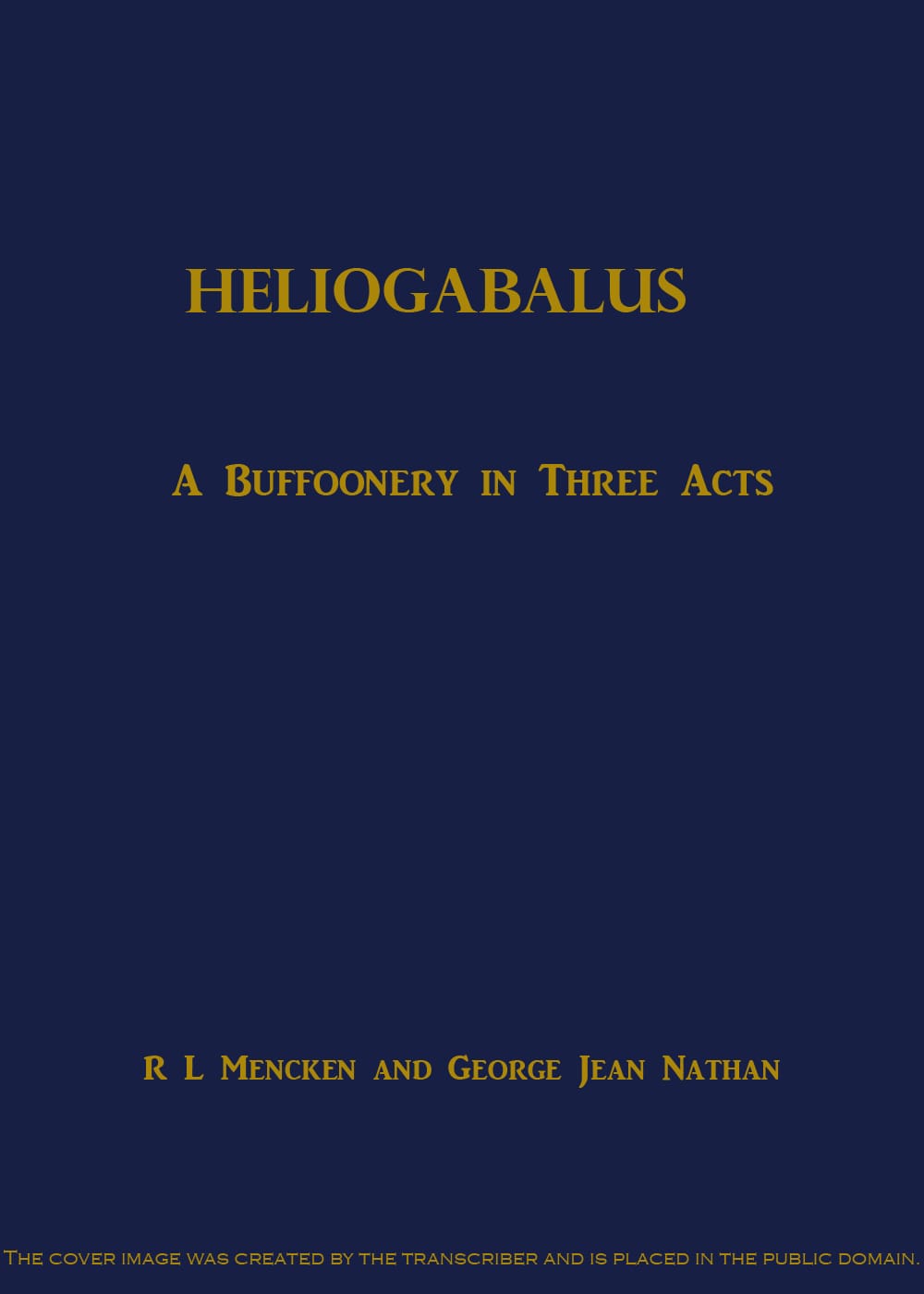
A riotous three-act assault on imperial vanity, George Jean Nathan's 1920 satire drags the notorious Roman emperor Heliogabalus off his golden throne and onto the comic stage. Heliogabalus, that teenage messiah of excess who worshiped the sun god Elagabal and married more times than he could count, becomes a figure of pure buffoonery: a ruler so consumed by his own grandeur that he cannot see how thoroughly ridiculous he appears. Nathan finds sharp amusement in the emperor's health crises, his endless procession of wives, and the desperate sycophants who orbit his crumbling court. The play revels in the ancient Roman taste for decadence while skewering the timeless human compulsion to mistake power for wisdom. This is not heroic tragedy but something more delightful: a farce that understands how easily tyranny tips into theater. Nathan wrote this during the height of American theatrical modernism, and his ear for absurdity remains sharply funny. Perfect for readers who enjoy their history soaked in satire and their emperors absolutely roasted.
Editions
X-Ray
“Love is like war: easy to begin but very hard to stop.””
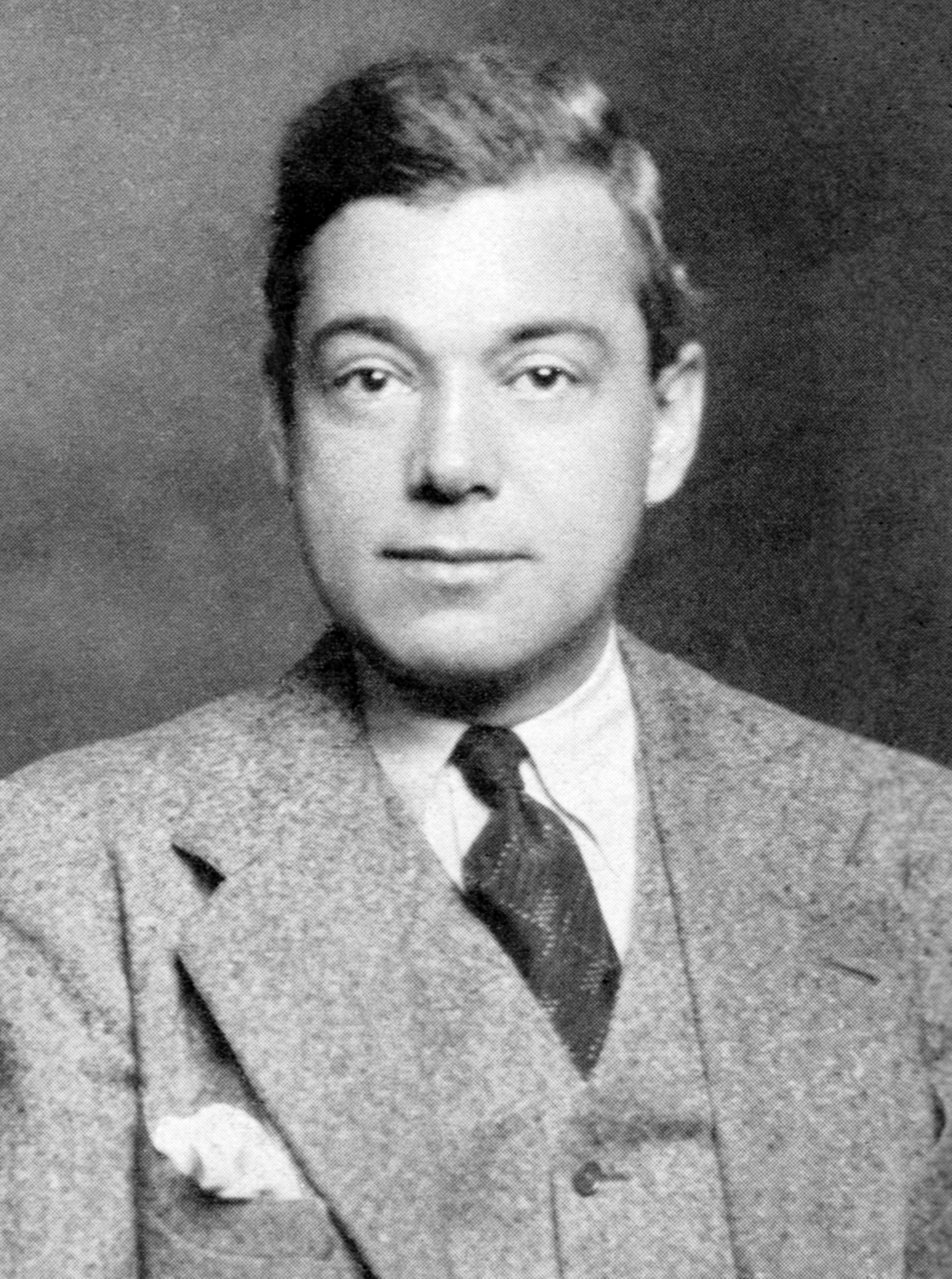
— George Jean Nathan
Link to this book
Add a free, dofollow link to Lex on your blog, forum, syllabus, or reading list.

<a href="https://lex-books.com/book/heliogabalus-a-buffoonery-in-three-acts-0ff2d5b4-5be7-4383-963d-81767afbab59"><img src="https://lex-books.com/badges/read-on-lex.svg" alt="Read Heliogabalus: A Buffoonery in Three Acts by George Jean Nathan free on Lex" width="160" height="40"></a>[](https://lex-books.com/book/heliogabalus-a-buffoonery-in-three-acts-0ff2d5b4-5be7-4383-963d-81767afbab59)[url=https://lex-books.com/book/heliogabalus-a-buffoonery-in-three-acts-0ff2d5b4-5be7-4383-963d-81767afbab59][img]https://lex-books.com/badges/read-on-lex.svg[/img][/url]Read Heliogabalus: A Buffoonery in Three Acts by George Jean Nathan free on Lex: https://lex-books.com/book/heliogabalus-a-buffoonery-in-three-acts-0ff2d5b4-5be7-4383-963d-81767afbab59Cite this book
Reading this edition for a paper or guide? Copy a citation.
Nathan, George Jean. Heliogabalus: A Buffoonery in Three Acts. Lex, lex-books.com/book/heliogabalus-a-buffoonery-in-three-acts-0ff2d5b4-5be7-4383-963d-81767afbab59.Nathan, G. J. (n.d.). Heliogabalus: A Buffoonery in Three Acts. Lex. https://lex-books.com/book/heliogabalus-a-buffoonery-in-three-acts-0ff2d5b4-5be7-4383-963d-81767afbab59Nathan, George Jean. Heliogabalus: A Buffoonery in Three Acts. Lex. https://lex-books.com/book/heliogabalus-a-buffoonery-in-three-acts-0ff2d5b4-5be7-4383-963d-81767afbab59.