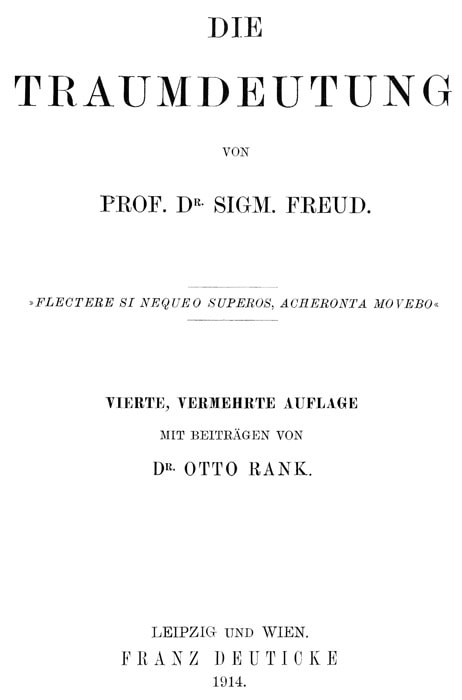
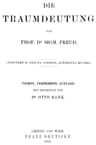
Die Traumdeutung
1900

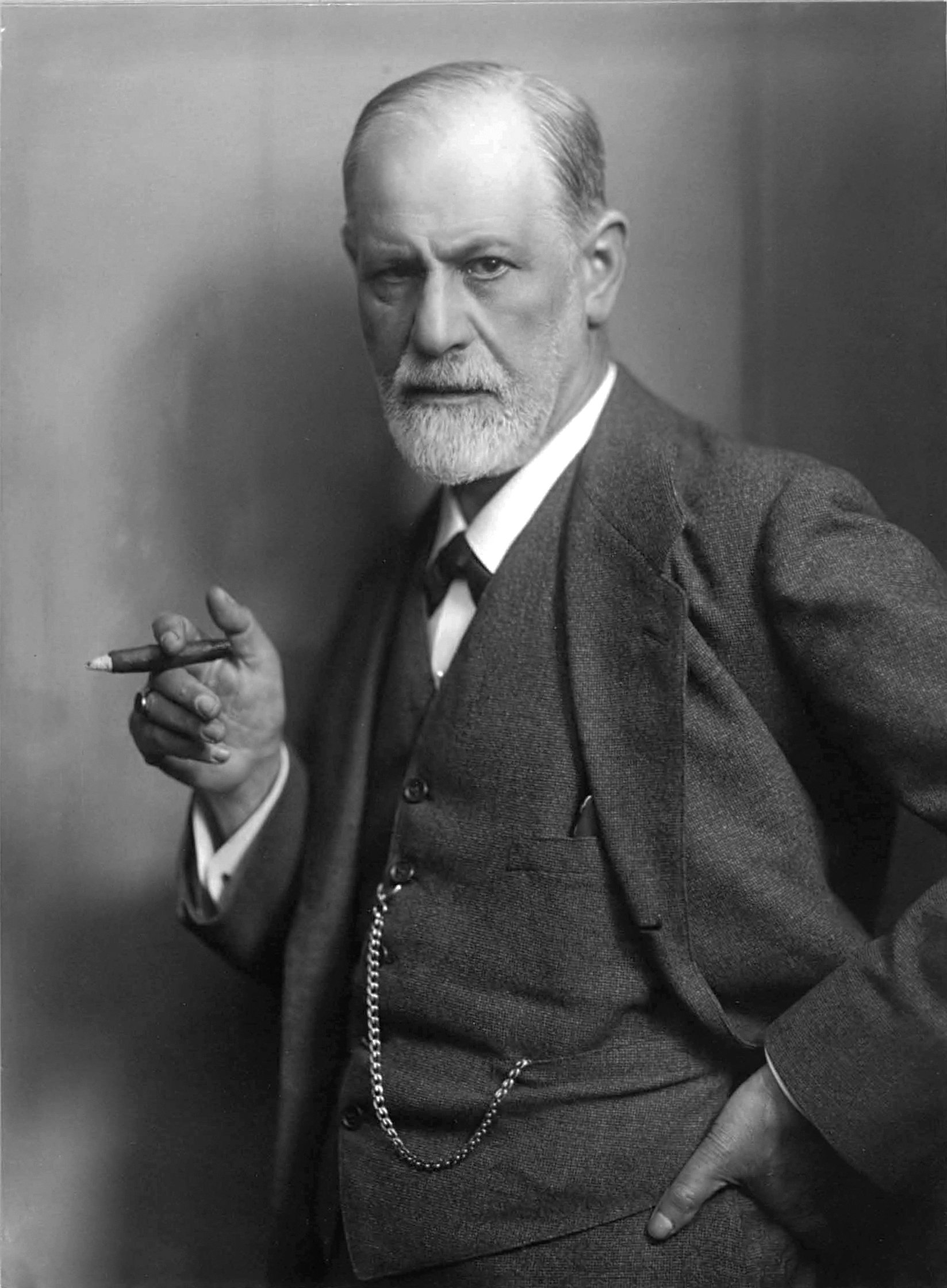
In 1900, a Viennese neurologist published a book that would revolutionize how humanity understands itself. Sigmund Freud's The Interpretation of Dreams argues that our nighttime visions are not random neurological fireworks but meaningful expressions of a hidden psychic landscape: the unconscious mind. Freud proposes that dreams are the royal road to understanding our deepest desires, fears, and repressed thoughts, many of which stem from childhood. Through meticulous analysis of his own dreams and those of his patients, he develops a revolutionary methodology: the dreamwork process, where latent thoughts are transformed into manifest content through mechanisms like condensation, displacement, and symbolization. The work's most radical assertion is that we are largely ignorant of the forces driving our own behavior. This is not merely a scientific treatise but a foundational text that reshaped Western thought, influencing literature, art, film, and philosophy. A century later, it remains essential reading for anyone seeking to understand the hidden architecture of the human mind.
Editions
X-Ray
“The virtuous man contents himself with dreaming that which the wicked man does in actual life.””
— Sigmund Freud
“Properly speaking, the unconscious is the real psychic; its inner nature is just as unknown to us as the reality of the external world, and it is just as imperfectly reported to us through the data of consciousness as is the external world through the indications of our sensory organs.””
— Sigmund Freud
“The interpretation of Dreams is the royal road to a knowledge of the unconscious activities of the mind””
— Sigmund Freud
“Conservatism, however, is too often a welcome excuse for lazy minds, loath to adapt themselves to fast changing conditions.””
— Sigmund Freud
“The dream is the liberation of the spirit from the pressure of external nature, a detachment of the soul from the fetters of matter.””
— Sigmund Freud
“I had thought about cocaine in a kind of day-dream.””
— Sigmund Freud
“What is common in all these dreams is obvious. They completely satisfy wishes excited during the day which remain unrealized. They are simply and undisguisedly realizations of wishes.””
— Sigmund Freud
“Our memory has no guarantees at all, and yet we bow more often than is objectively justified to the compulsion to believe what it says.””
— Sigmund Freud
“Nothing that is mentally our own can ever be lost.””
— Sigmund Freud
Link to this book
Add a free, dofollow link to Lex on your blog, forum, syllabus, or reading list.

<a href="https://lex-books.com/book/die-traumdeutung-20c38add-57ad-4339-b059-b1168f602dea"><img src="https://lex-books.com/badges/read-on-lex.svg" alt="Read Die Traumdeutung by Sigmund Freud free on Lex" width="160" height="40"></a>[](https://lex-books.com/book/die-traumdeutung-20c38add-57ad-4339-b059-b1168f602dea)[url=https://lex-books.com/book/die-traumdeutung-20c38add-57ad-4339-b059-b1168f602dea][img]https://lex-books.com/badges/read-on-lex.svg[/img][/url]Read Die Traumdeutung by Sigmund Freud free on Lex: https://lex-books.com/book/die-traumdeutung-20c38add-57ad-4339-b059-b1168f602deaCite this book
Reading this edition for a paper or guide? Copy a citation.
Freud, Sigmund. Die Traumdeutung. Lex, lex-books.com/book/die-traumdeutung-20c38add-57ad-4339-b059-b1168f602dea.Freud, S. (1900). Die Traumdeutung. Lex. https://lex-books.com/book/die-traumdeutung-20c38add-57ad-4339-b059-b1168f602deaFreud, Sigmund. Die Traumdeutung. Lex. https://lex-books.com/book/die-traumdeutung-20c38add-57ad-4339-b059-b1168f602dea.