Borough

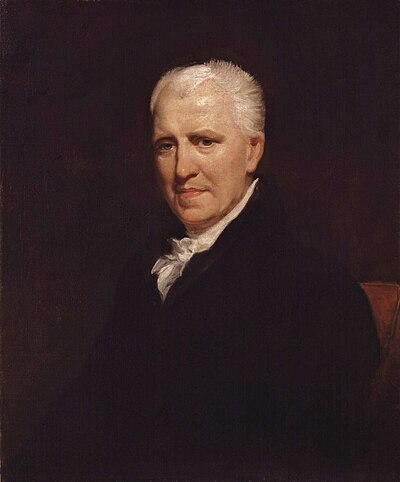
George Crabbe's "The Borough" is an unsentimental portrait of English village life in the late eighteenth and early nineteenth centuries, a work of startling realism that predates Victorian naturalism by decades. Written in precise heroic couplets, Crabbe catalogs the lives of farmers, fishermen, tradesmen, and rectors with a documentary fidelity that earned him admiration from Lord Byron, who called him "nature's sternest painter, yet the best." The borough is Aldeburgh, Crabbe's Suffolk birthplace, transformed into a fictional stage where ordinary human dramas unfold without sentimentality or moralizing. Here are verse tales of fishermen lost to the sea, of aging tradesmen overtaken by younger rivals, of quiet desperation in marriages built on convenience rather than love. Crabbe renders each life with the same unflinching attention once reserved for kings and conquerors. His achievement was treating the humblest existence as worthy of serious literary attention, decades before Zola or Hardy. Benjamin Britten adapted these stories into operas, but the poetry stands alone: stark, compassionate, rigorous. For readers seeking a window into the actual texture of provincial English life, its labor, its anxieties, its small tragedies, this remains essential reading. It is realism before the term existed.
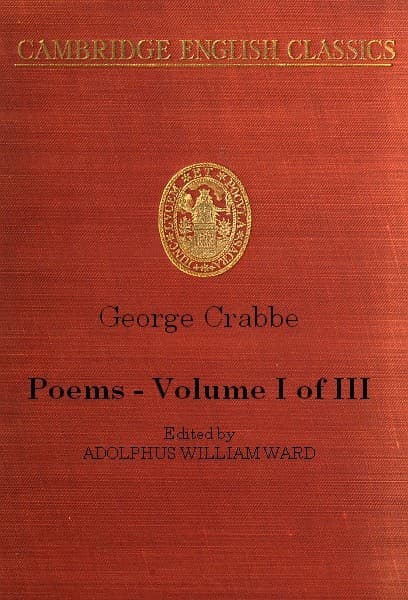
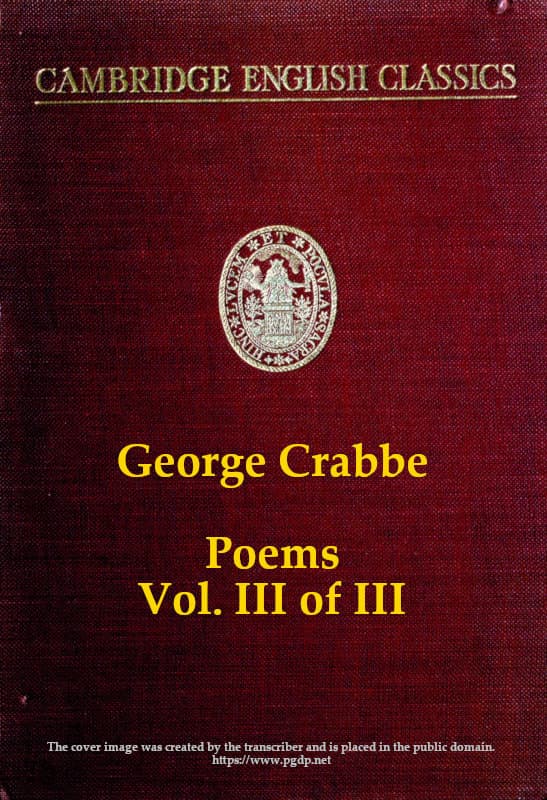
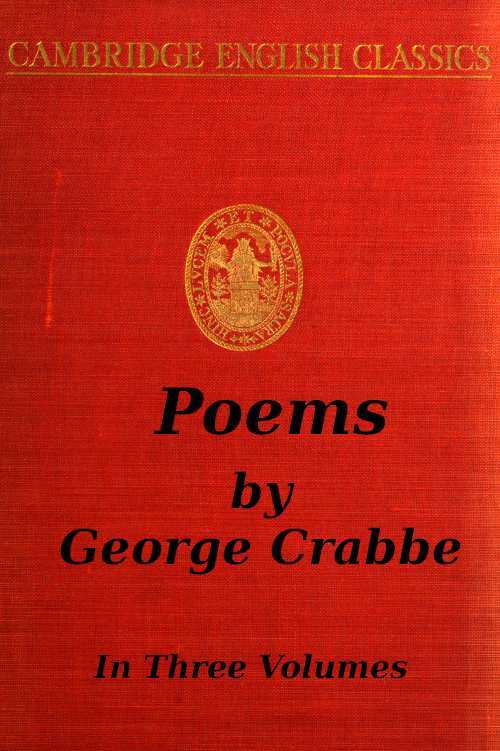
Editions

Link to this book
Add a free, dofollow link to Lex on your blog, forum, syllabus, or reading list.

<a href="https://lex-books.com/book/borough-039afab9-fd4c-4bbc-bfd2-49d30c8d6b34"><img src="https://lex-books.com/badges/read-on-lex.svg" alt="Read Borough by George Crabbe free on Lex" width="160" height="40"></a>[](https://lex-books.com/book/borough-039afab9-fd4c-4bbc-bfd2-49d30c8d6b34)[url=https://lex-books.com/book/borough-039afab9-fd4c-4bbc-bfd2-49d30c8d6b34][img]https://lex-books.com/badges/read-on-lex.svg[/img][/url]Read Borough by George Crabbe free on Lex: https://lex-books.com/book/borough-039afab9-fd4c-4bbc-bfd2-49d30c8d6b34Cite this book
Reading this edition for a paper or guide? Copy a citation.
Crabbe, George. Borough. Lex, lex-books.com/book/borough-039afab9-fd4c-4bbc-bfd2-49d30c8d6b34.Crabbe, G. (n.d.). Borough. Lex. https://lex-books.com/book/borough-039afab9-fd4c-4bbc-bfd2-49d30c8d6b34Crabbe, George. Borough. Lex. https://lex-books.com/book/borough-039afab9-fd4c-4bbc-bfd2-49d30c8d6b34.