Astoria; Or, Anecdotes of an Enterprise Beyond the Rocky Mountains
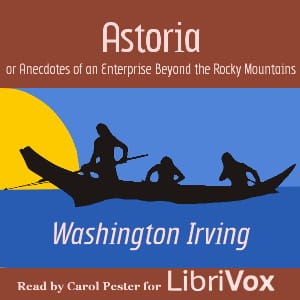
In 1810, a wealthy fur magnate dispatched dozens of men across an unmapped continent toward a river mouth no American had ever seen. John Jacob Astor's grand vision was to plant the first permanent American settlement on the Pacific coast, a commercial empire of furs that would rival the British and Russians. What followed was catastrophe: shipwreck, mutiny, starvation, frozen passes, and a massacre that left Astor's dream in ruins. Washington Irving, drawing on interviews with survivors, transforms this doomed expedition into something between a cautionary tale and an epic. He captures the continent's terrifying indifference to human ambition, the way the wilderness swallows fortunes and lives without apology. Written fifteen years after the disaster, Astoria became the book that taught America to dream of its western shore, inspiring a generation of pioneers who would finish what Astor could not. Irving's prose is vivid and controlled, capable of making a frozen mountain pass feel like the edge of the world.
Editions

Link to this book
Add a free, dofollow link to Lex on your blog, forum, syllabus, or reading list.

<a href="https://lex-books.com/book/astoria-or-anecdotes-of-an-enterprise-beyond-the-rocky-mountains-3cb0b57c-0b6f-48f9-ad67-09dac3b377cb"><img src="https://lex-books.com/badges/read-on-lex.svg" alt="Read Astoria; Or, Anecdotes of an Enterprise Beyond the Rocky Mountains by Washington Irving free on Lex" width="160" height="40"></a>[](https://lex-books.com/book/astoria-or-anecdotes-of-an-enterprise-beyond-the-rocky-mountains-3cb0b57c-0b6f-48f9-ad67-09dac3b377cb)[url=https://lex-books.com/book/astoria-or-anecdotes-of-an-enterprise-beyond-the-rocky-mountains-3cb0b57c-0b6f-48f9-ad67-09dac3b377cb][img]https://lex-books.com/badges/read-on-lex.svg[/img][/url]Read Astoria; Or, Anecdotes of an Enterprise Beyond the Rocky Mountains by Washington Irving free on Lex: https://lex-books.com/book/astoria-or-anecdotes-of-an-enterprise-beyond-the-rocky-mountains-3cb0b57c-0b6f-48f9-ad67-09dac3b377cbCite this book
Reading this edition for a paper or guide? Copy a citation.
Irving, Washington. Astoria; Or, Anecdotes of an Enterprise Beyond the Rocky Mountains. Lex, lex-books.com/book/astoria-or-anecdotes-of-an-enterprise-beyond-the-rocky-mountains-3cb0b57c-0b6f-48f9-ad67-09dac3b377cb.Irving, W. (n.d.). Astoria; Or, Anecdotes of an Enterprise Beyond the Rocky Mountains. Lex. https://lex-books.com/book/astoria-or-anecdotes-of-an-enterprise-beyond-the-rocky-mountains-3cb0b57c-0b6f-48f9-ad67-09dac3b377cbIrving, Washington. Astoria; Or, Anecdotes of an Enterprise Beyond the Rocky Mountains. Lex. https://lex-books.com/book/astoria-or-anecdotes-of-an-enterprise-beyond-the-rocky-mountains-3cb0b57c-0b6f-48f9-ad67-09dac3b377cb.