Aeneidos
1910
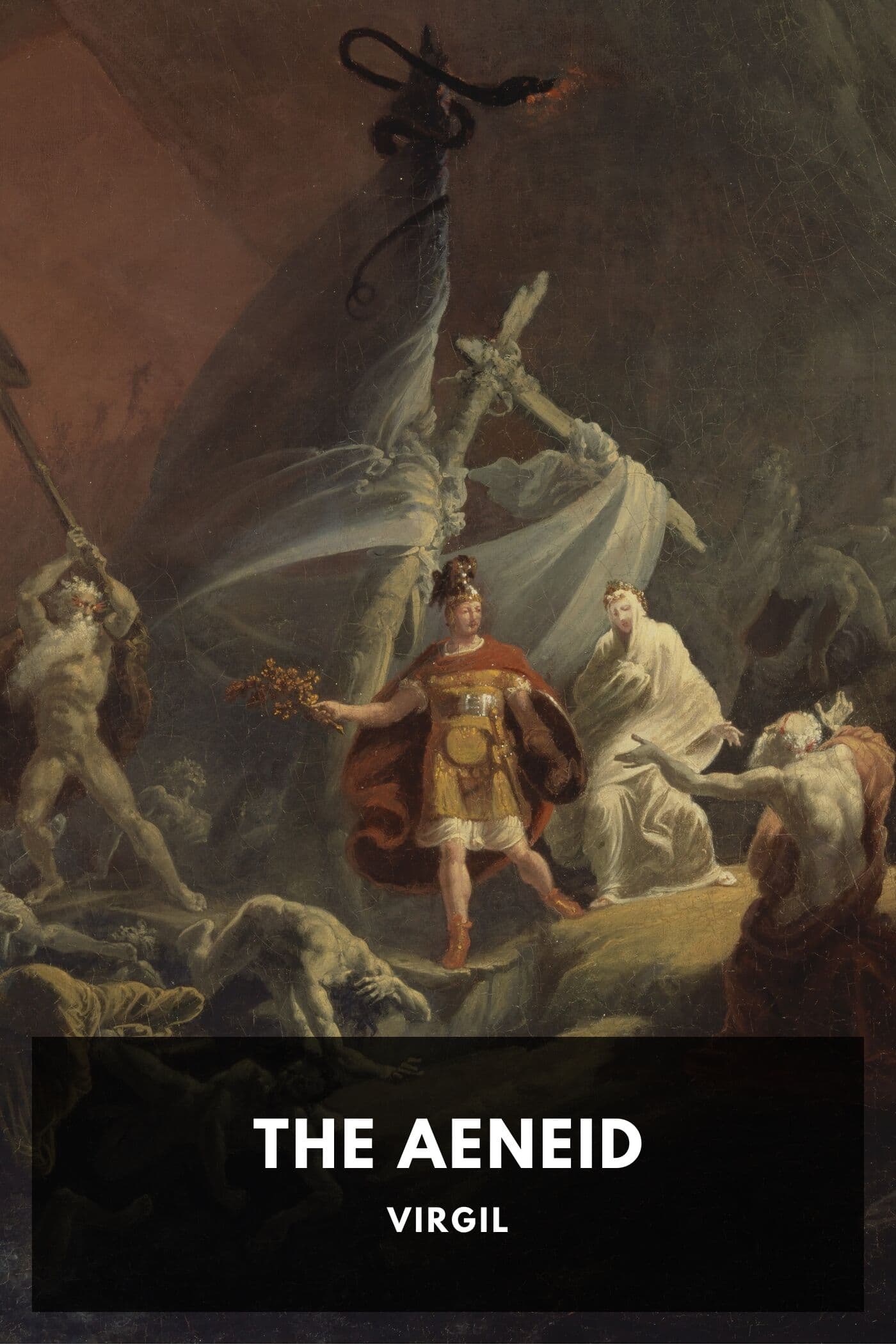
The greatest epic in Western literature begins with a fleet on a dark sea. Aeneas, prince of Troy, carries his father on his back and his people in his ships, fleeing the smoking ruins of a fallen city. The goddess Juno hates him, having cursed his line for centuries; the winds obey her wrath. Yet Aeneas sails on, driven by a destiny he did not choose: to found a city that will one day rule the world. We follow him through shipwrecks and storms, through the caves of Polyphemus and the fatal gardens of Carthage, where he abandons a queen who loved him. We descend with him into the underworld to walk among the shades of the dead and glimpse the future that demands everything from him. This is the story of what it costs to build an empire: the loves surrendered, the wars waged, the self forgotten. Written by Virgil to give Rome a mythology equal to Greece's, the Aeneid asks whether civilization is worth the blood that waters it.
Editions
X-Ray
“Fate will allow the worldOnly to glimpse him, then rob it of him quickly.””
— Virgil
“But black night wreathes his browWith dolorous shadow.””
— Virgil
“Spare those you conquer, crush those who overbear.””
— Virgil
“What possesses the poor souls? Why this mad desireTo get back to the light?””
— Virgil
“Let the monster cave-dog howl his howl foreverAnd keep on terrifying bloodless shades...””
— Virgil
“Banish the thought that praying can ever affectThe edicts of gods.””
— Virgil
“...the Sibyl,Resisting possession, storms through the cavern,In the throes of her struggle with PhoebusApollo. But the more she froths at the mouthAnd contorts, the more he controls her, commands herAnd makes her his creature. Then of their own accordThose hundred vast tunnel-mouths gape and give ventTo the prophetess's responses...””
— Virgil
“I myself speak to you, from bright Olympus, especially to you, to whom all things are dear to Jove, whoever you are, and to carry souls through our labors, each of us suffers our own shades [spirits/ghost]. And all the experiences of life remain, mindful also of recent losses.””
— Virgil
Link to this book
Add a free, dofollow link to Lex on your blog, forum, syllabus, or reading list.

<a href="https://lex-books.com/book/aeneidos-e6f34250-862e-4287-ae68-663bd443f517"><img src="https://lex-books.com/badges/read-on-lex.svg" alt="Read Aeneidos by Virgil free on Lex" width="160" height="40"></a>[](https://lex-books.com/book/aeneidos-e6f34250-862e-4287-ae68-663bd443f517)[url=https://lex-books.com/book/aeneidos-e6f34250-862e-4287-ae68-663bd443f517][img]https://lex-books.com/badges/read-on-lex.svg[/img][/url]Read Aeneidos by Virgil free on Lex: https://lex-books.com/book/aeneidos-e6f34250-862e-4287-ae68-663bd443f517Cite this book
Reading this edition for a paper or guide? Copy a citation.
Virgil. Aeneidos. Lex, lex-books.com/book/aeneidos-e6f34250-862e-4287-ae68-663bd443f517.Virgil (1910). Aeneidos. Lex. https://lex-books.com/book/aeneidos-e6f34250-862e-4287-ae68-663bd443f517Virgil. Aeneidos. Lex. https://lex-books.com/book/aeneidos-e6f34250-862e-4287-ae68-663bd443f517.