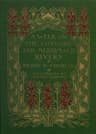
A Week on the Concord and Merrimack Rivers
1849
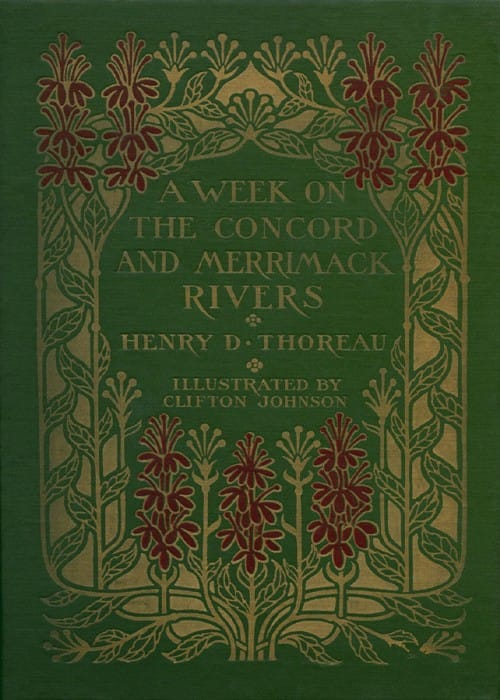
A Week on the Concord and Merrimack Rivers
1849
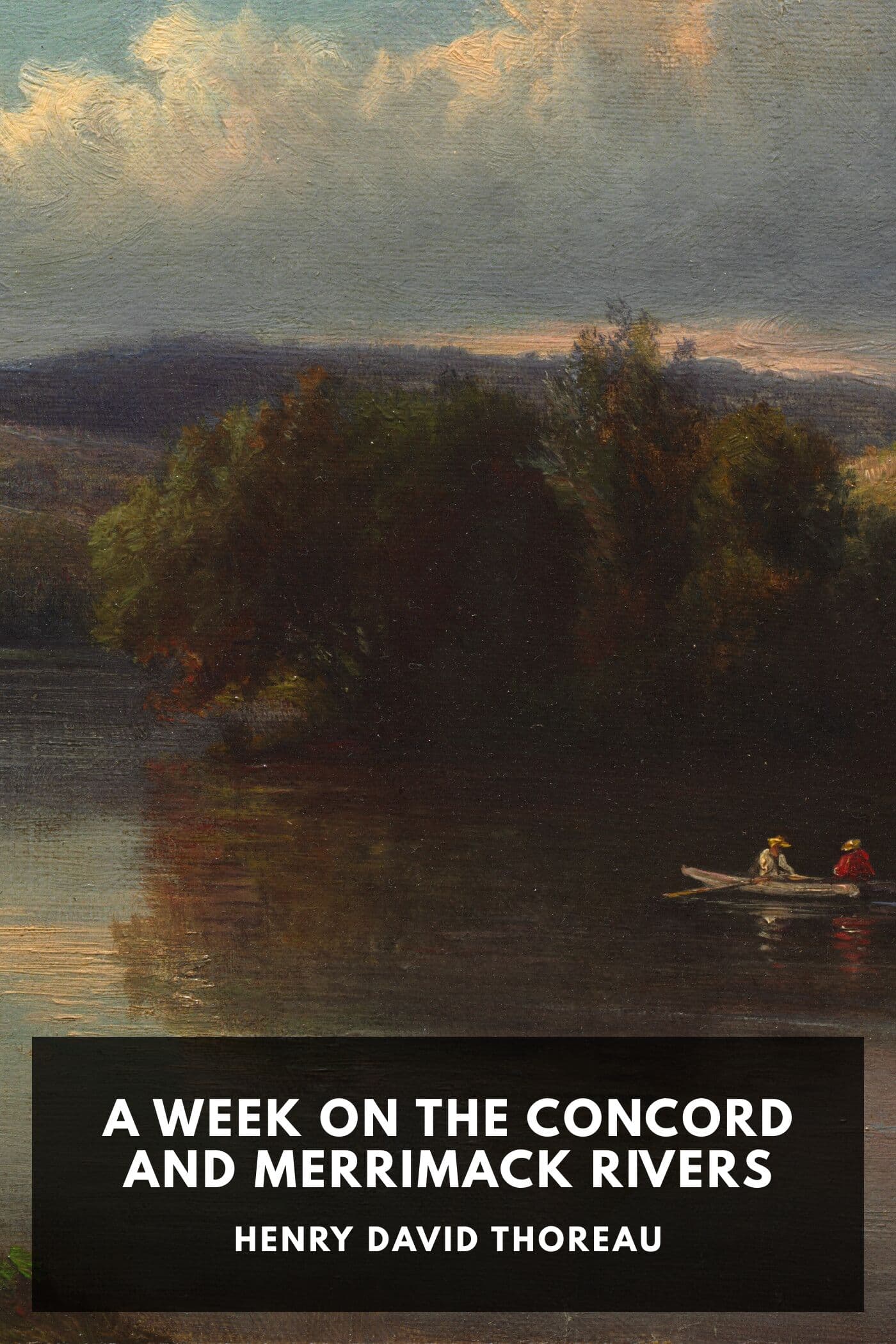
Two years before Walden, Henry David Thoreau took to the water. In 1839, he and his brother John rowed a small boat north from Concord, Massachusetts, up the Concord River and into the Merrimack, a nine-day journey that became Thoreau's first published book. But this is no ordinary travel narrative. It is something stranger and more haunting: a book written as an act of preservation, composed in the shadow of his brother's death in 1849, the very year of publication. Every reflection on the river becomes a reflection on memory itself. Thoreau writes about the landscape with reverent precision, pausing at Revolutionary War sites, observing the geometry of water, questioning what it means to travel through both space and time. The result is a book that floats between genres, part nature journal, part philosophical treatise, part elegy. It contains some of Thoreau's most luminous prose about solitude and the natural world, yet it remains his most overlooked masterpiece.
Editions

Link to this book
Add a free, dofollow link to Lex on your blog, forum, syllabus, or reading list.

<a href="https://lex-books.com/book/a-week-on-the-concord-and-merrimack-rivers-47540476-4eff-4dd6-85f9-ff461be1f6b1"><img src="https://lex-books.com/badges/read-on-lex.svg" alt="Read A Week on the Concord and Merrimack Rivers by Henry David Thoreau free on Lex" width="160" height="40"></a>[](https://lex-books.com/book/a-week-on-the-concord-and-merrimack-rivers-47540476-4eff-4dd6-85f9-ff461be1f6b1)[url=https://lex-books.com/book/a-week-on-the-concord-and-merrimack-rivers-47540476-4eff-4dd6-85f9-ff461be1f6b1][img]https://lex-books.com/badges/read-on-lex.svg[/img][/url]Read A Week on the Concord and Merrimack Rivers by Henry David Thoreau free on Lex: https://lex-books.com/book/a-week-on-the-concord-and-merrimack-rivers-47540476-4eff-4dd6-85f9-ff461be1f6b1Cite this book
Reading this edition for a paper or guide? Copy a citation.
Thoreau, Henry David. A Week on the Concord and Merrimack Rivers. Lex, lex-books.com/book/a-week-on-the-concord-and-merrimack-rivers-47540476-4eff-4dd6-85f9-ff461be1f6b1.Thoreau, H. D. (1849). A Week on the Concord and Merrimack Rivers. Lex. https://lex-books.com/book/a-week-on-the-concord-and-merrimack-rivers-47540476-4eff-4dd6-85f9-ff461be1f6b1Thoreau, Henry David. A Week on the Concord and Merrimack Rivers. Lex. https://lex-books.com/book/a-week-on-the-concord-and-merrimack-rivers-47540476-4eff-4dd6-85f9-ff461be1f6b1.