A General Introduction to Psychoanalysis
1901

A General Introduction to Psychoanalysis
1901
Translated by G. Stanley (Granville Stanley) Hall
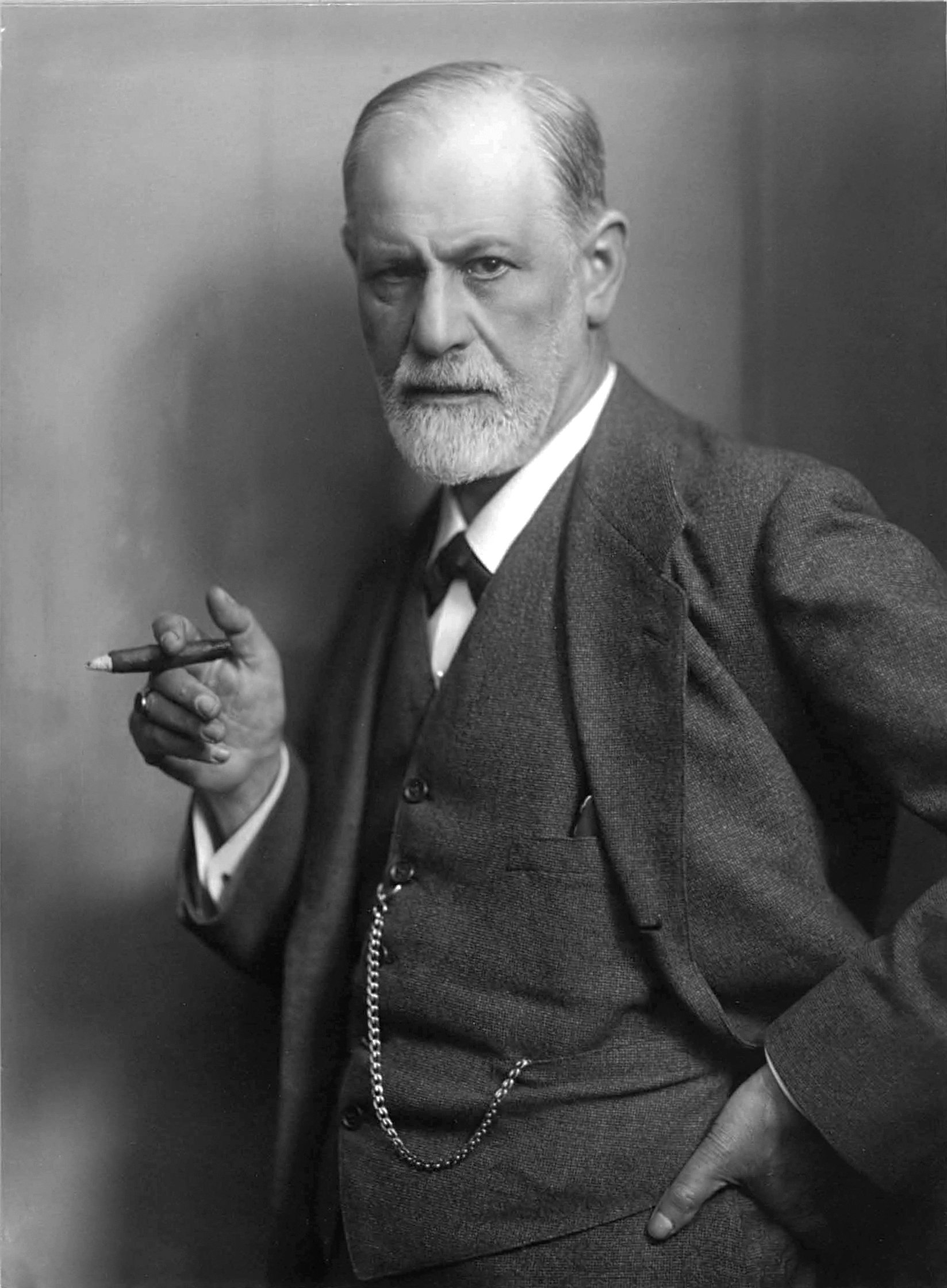
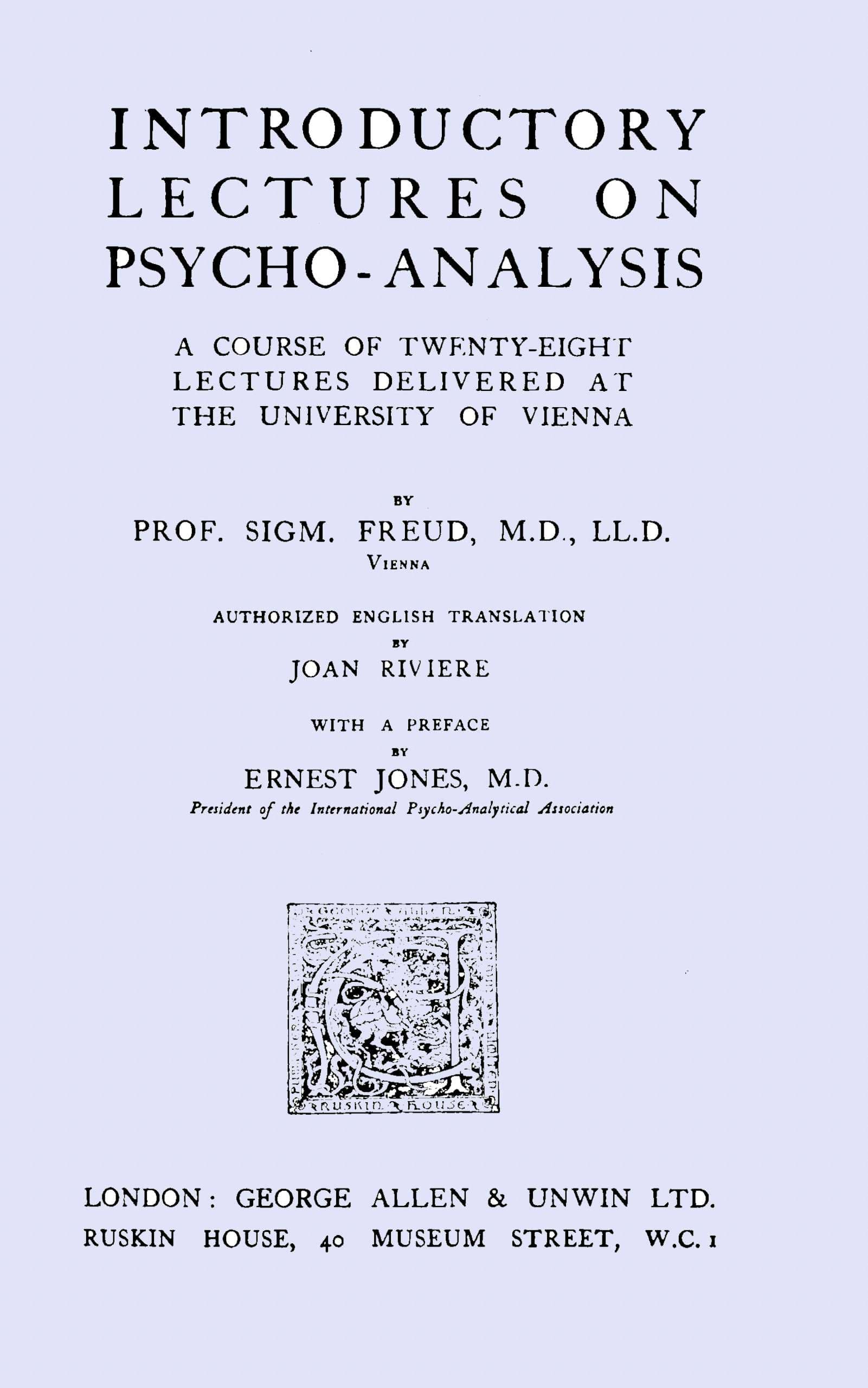
In 1915, at the height of World War I, Sigmund Freud delivered a series of lectures at the University of Vienna that would reshape how humanity understood itself. This book is that lecture series, and it remains one of the most radical acts of intellectual exposure in modern thought. Freud argues that the conscious mind is merely a façade, that our dreams hold the key to our deepest desires, and that the slips of the tongue we dismiss as accidents are actually windows into the unconscious conflicts shaping our lives. He introduces the revolutionary idea that sexuality lurks beneath even the most innocent-seeming psychological phenomena, and that the path to treating neuroses lies not in medicine but in conversation, interpretation, and the careful analysis of what we cannot say about ourselves. This is Freud at his most defiant, defending psychoanalysis against a hostile medical establishment while laying out its entire architectural framework for the first time. A century later, whether you love him or hate him, no serious thinking about the mind can ignore him.
Editions
X-Ray
“He that has eyes to see and ears to hear may convince himself that no mortal can keep a secret. If his lips are silent, he chatters with his fingertips; betrayal oozes out of him at every pore.””
— Sigmund Freud
“Loneliness and darkness have just robbed me of my valuables.””
— Sigmund Freud
“It is a predisposition of human nature to consider an unpleasant idea untrue, and then it is easy to find arguments against it.””
— Sigmund Freud
“Words and magic were in the beginning one and the same thing, and even today words retain much of their magical power.””
— Sigmund Freud
“Humanity has in the course of time had to endure from the hands of science two great outrages upon its naive self-love. The first was when it realized that our earth was not the center of the universe, but only a tiny speck in a world-system of a magnitude hardly conceivable; this is associated in our minds with the name of Copernicus, although Alexandrian doctrines taught something very similar. The second was when biological research robbed man of his peculiar privilege of having been specially created, and relegated him to a descent from the animal world, implying an ineradicable animal nature in him: this transvaluation has been accomplished in our own time upon the instigation of Charles Darwin, Wallace, and their predecessors, and not without the most violent opposition from their contemporaries. But man's craving for grandiosity is now suffering the third and most bitter blow from present-day psychological research which is endeavoring to prove to the ego of each one of us that he is not even master in his own house, but that he must remain content with the veriest scraps of information about what is going on unconsciously in his own mind. We psycho-analysts were neither the first nor the only ones to propose to mankind that they should look inward; but it appears to be our lot to advocate it most insistently and to support it by empirical evidence which touches every man closely.””
— Sigmund Freud
“Words were originally magic, and the word retains much of its old magical power even to-day. With words one man can make another blessed, or drive him to despair; by words the teacher transfers his knowledge to the pupil; by words the speaker sweeps his audience with him and determines its judgments and decisions. Words call forth effects and are the universal means of influencing human beings.””
— Sigmund Freud
“For there is a way back from imagination to reality and that is”
— Sigmund Freud
“With words one man can make another blessed, or drive him to despair;””
— Sigmund Freud
“With words one man can make another blessed, or drive him to despair; by words the teacher transfers his knowledge to the pupil; by words the speaker sweeps his audience with him and determines its judgments and decisions. Words call forth effects and are the universal means of influencing human beings.””
— Sigmund Freud
Link to this book
Add a free, dofollow link to Lex on your blog, forum, syllabus, or reading list.

<a href="https://lex-books.com/book/a-general-introduction-to-psychoanalysis-f6f5d156-16d5-4efa-9139-7ccb46351886"><img src="https://lex-books.com/badges/read-on-lex.svg" alt="Read A General Introduction to Psychoanalysis by Sigmund Freud free on Lex" width="160" height="40"></a>[](https://lex-books.com/book/a-general-introduction-to-psychoanalysis-f6f5d156-16d5-4efa-9139-7ccb46351886)[url=https://lex-books.com/book/a-general-introduction-to-psychoanalysis-f6f5d156-16d5-4efa-9139-7ccb46351886][img]https://lex-books.com/badges/read-on-lex.svg[/img][/url]Read A General Introduction to Psychoanalysis by Sigmund Freud free on Lex: https://lex-books.com/book/a-general-introduction-to-psychoanalysis-f6f5d156-16d5-4efa-9139-7ccb46351886Cite this book
Reading this edition for a paper or guide? Copy a citation.
Freud, Sigmund. A General Introduction to Psychoanalysis. Lex, lex-books.com/book/a-general-introduction-to-psychoanalysis-f6f5d156-16d5-4efa-9139-7ccb46351886.Freud, S. (1901). A General Introduction to Psychoanalysis. Lex. https://lex-books.com/book/a-general-introduction-to-psychoanalysis-f6f5d156-16d5-4efa-9139-7ccb46351886Freud, Sigmund. A General Introduction to Psychoanalysis. Lex. https://lex-books.com/book/a-general-introduction-to-psychoanalysis-f6f5d156-16d5-4efa-9139-7ccb46351886.