Wilson J. Vance
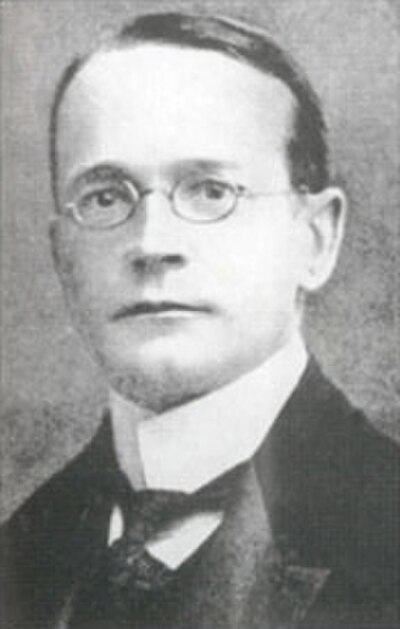
Wilson J. Vance was an American soldier, journalist, and author, best known for his service in the Union Army during the American Civil War. Born in Findlay, Ohio, he demonstrated remarkable bravery on the battlefield, which earned him the prestigious Medal of Honor for valor. His military experiences profoundly influenced his later work as a writer and editor, where he chronicled the trials and tribulations of war and its impact on society. In addition to his military accolades, Vance contributed to the literary landscape of his time through his journalism and writings, which often reflected his deep understanding of the human condition shaped by conflict. His legacy as a soldier and writer remains significant, as he captured the complexities of war and its aftermath, providing insight into the lives of those who served and the broader societal implications of their sacrifices. Vance's dual role as both a participant in and chronicler of the Civil War underscores the importance of personal narratives in understanding historical events.
Famous Quotes
View all 7 quotes“I consumed books about social policy and the working poor. One book in particular, a study by eminent sociologist William Julius Wilson called The Truly Disadvantaged, struck a nerve. I was sixteen the first time I read it, and though I didn’t fully understand it all, I grasped the core thesis. As millions migrated north to factory jobs, the communities that sprouted up around those factories were vibrant but fragile: When the factories shut their doors, the people left behind were trapped in towns and cities that could no longer support such large populations with high-quality work. Those who could”
“Those who could”
“consumed books about social policy and the working poor. One book in particular, a study by eminent sociologist William Julius Wilson called The Truly Disadvantaged, struck a nerve. I was sixteen the first time I read it, and though I didn’t fully understand it all, I grasped the core thesis. As millions migrated north to factory jobs, the communities that sprouted up around those factories were vibrant but fragile: When the factories shut their doors, the people left behind were trapped in towns and cities that could no longer support such large populations with high-quality work. Those who could”
Books from the author






Link to this page
Add a free, dofollow link to Lex on your blog, forum, syllabus, or reading list.

<a href="https://lex-books.com/author/wilson-j-vance"><img src="https://lex-books.com/badges/read-on-lex.svg" alt="Wilson J. Vance on Lex" width="160" height="40"></a>[](https://lex-books.com/author/wilson-j-vance)[url=https://lex-books.com/author/wilson-j-vance][img]https://lex-books.com/badges/read-on-lex.svg[/img][/url]Wilson J. Vance on Lex: https://lex-books.com/author/wilson-j-vance