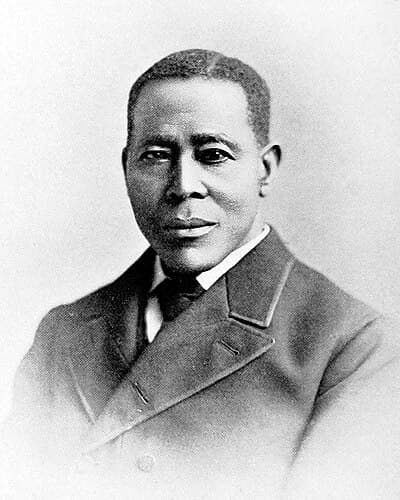
William Still
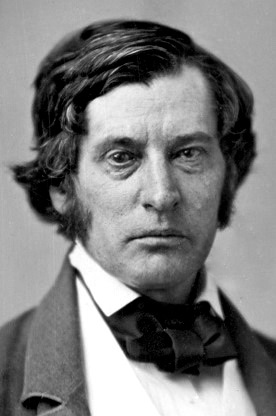
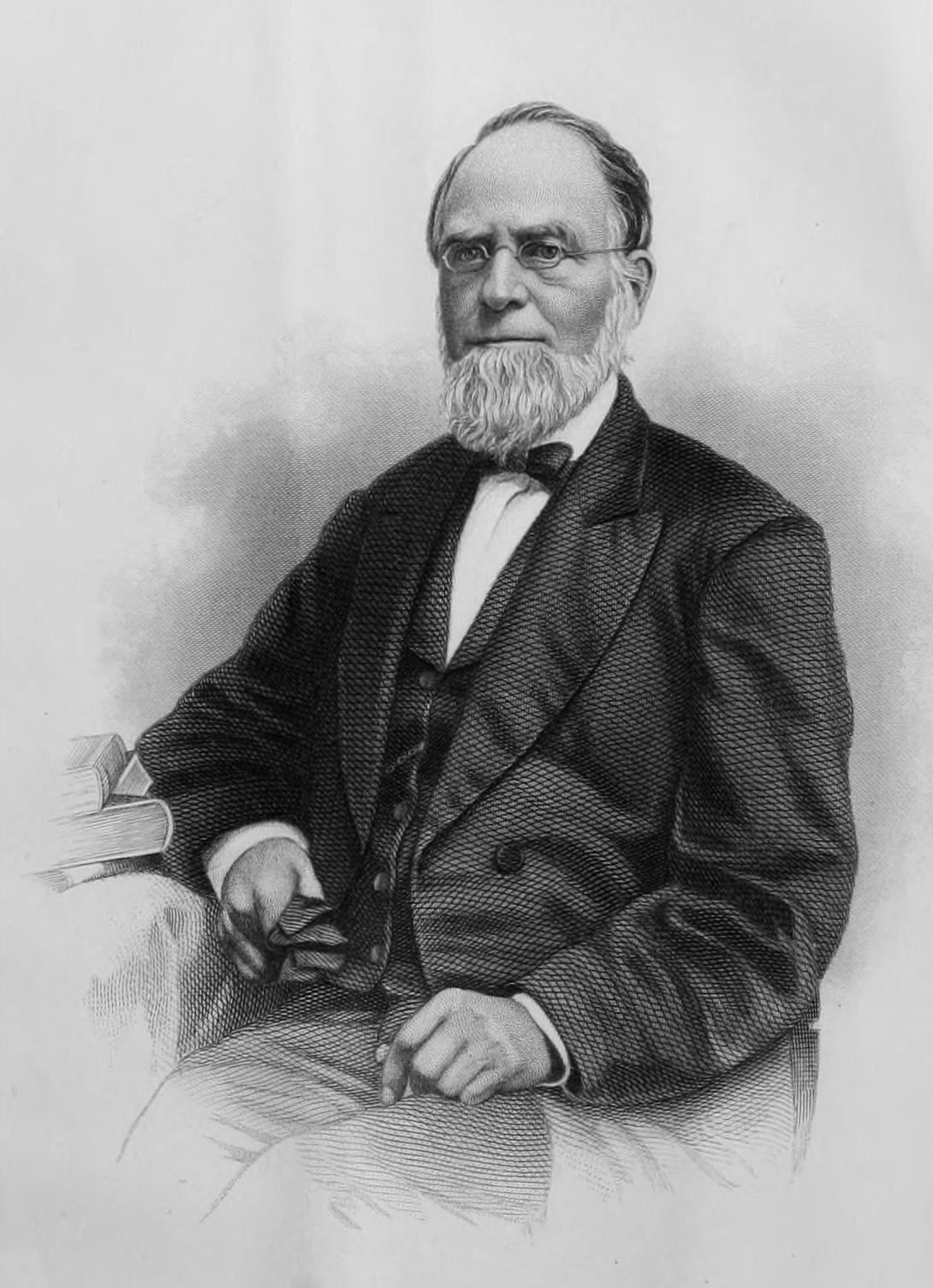
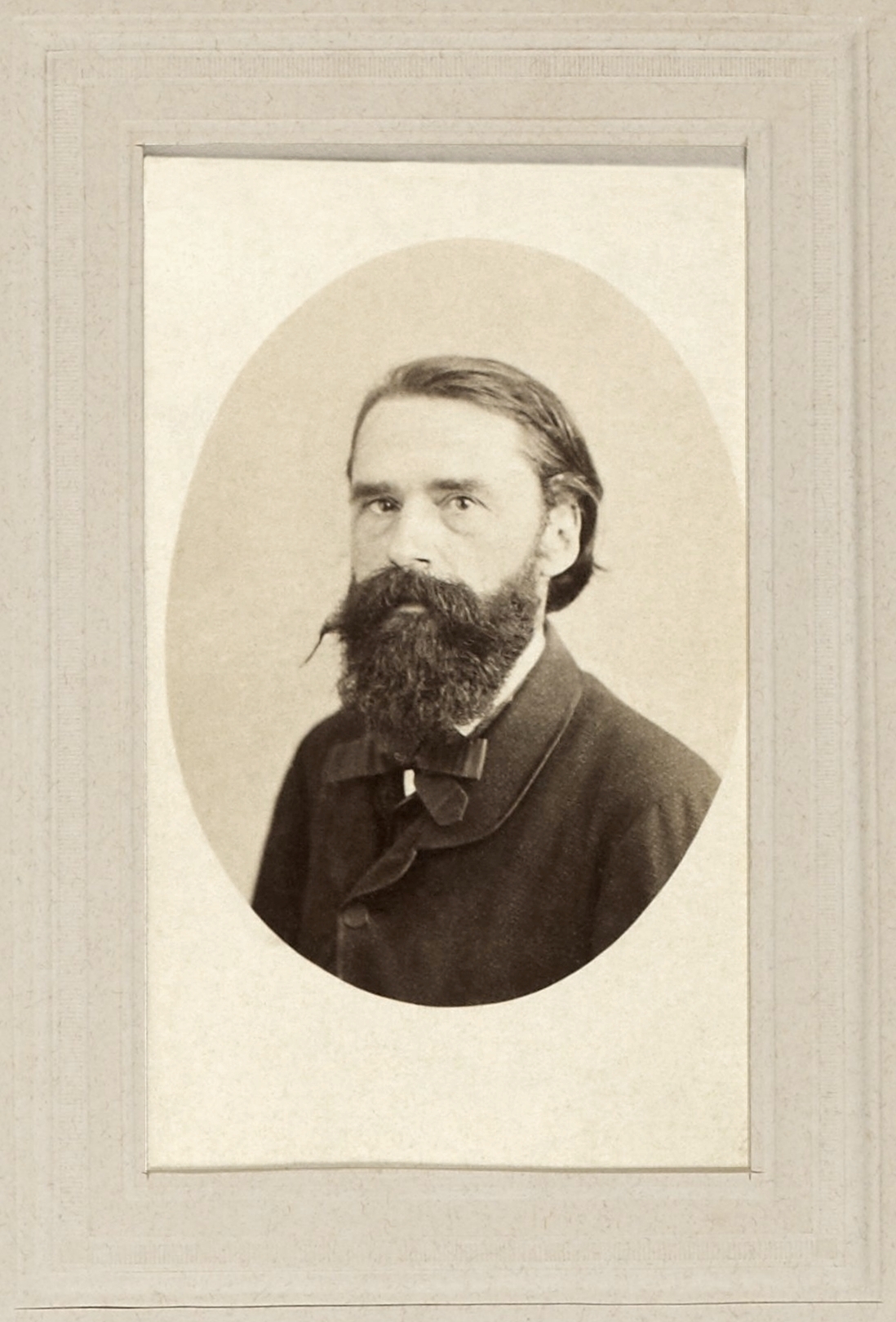
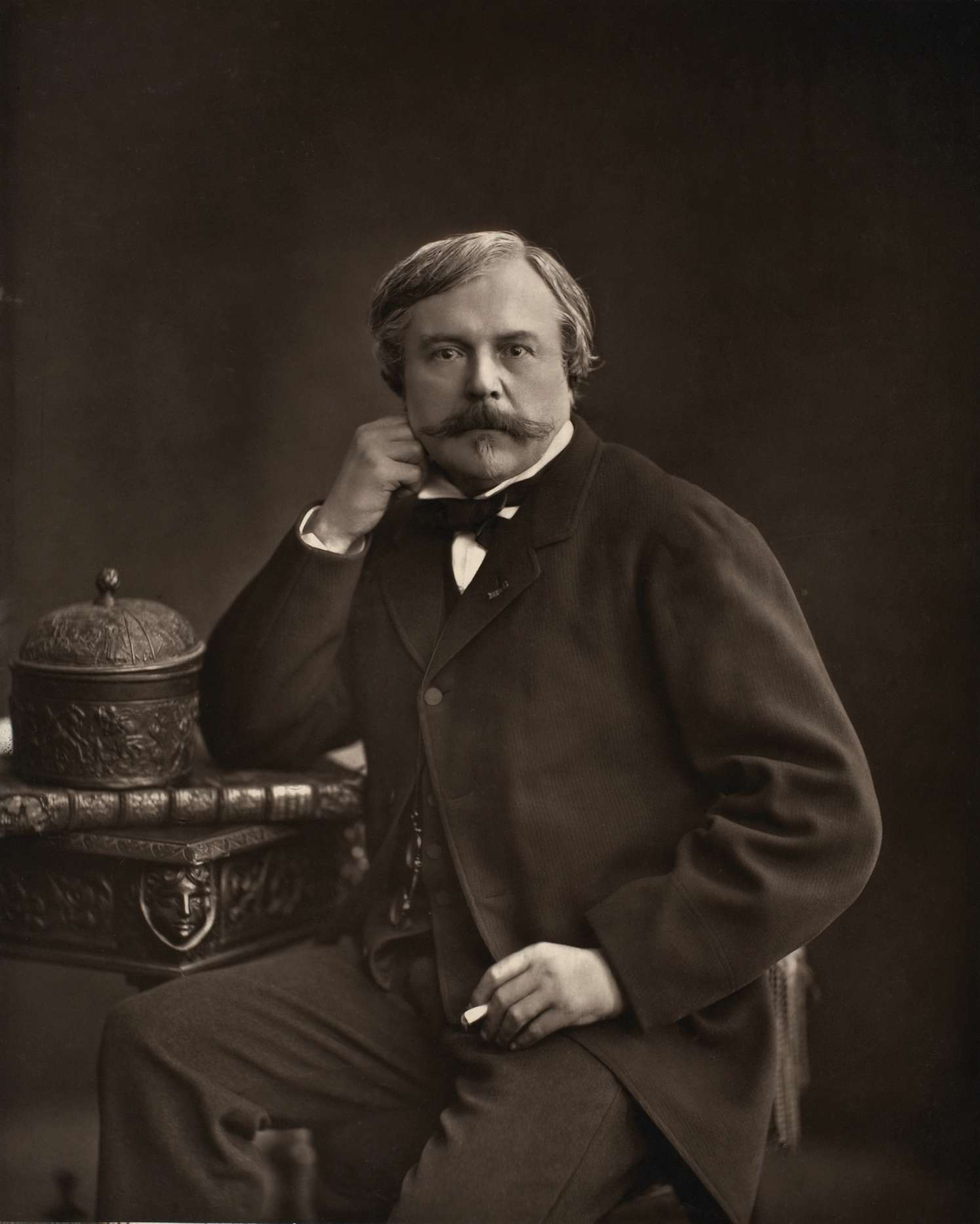
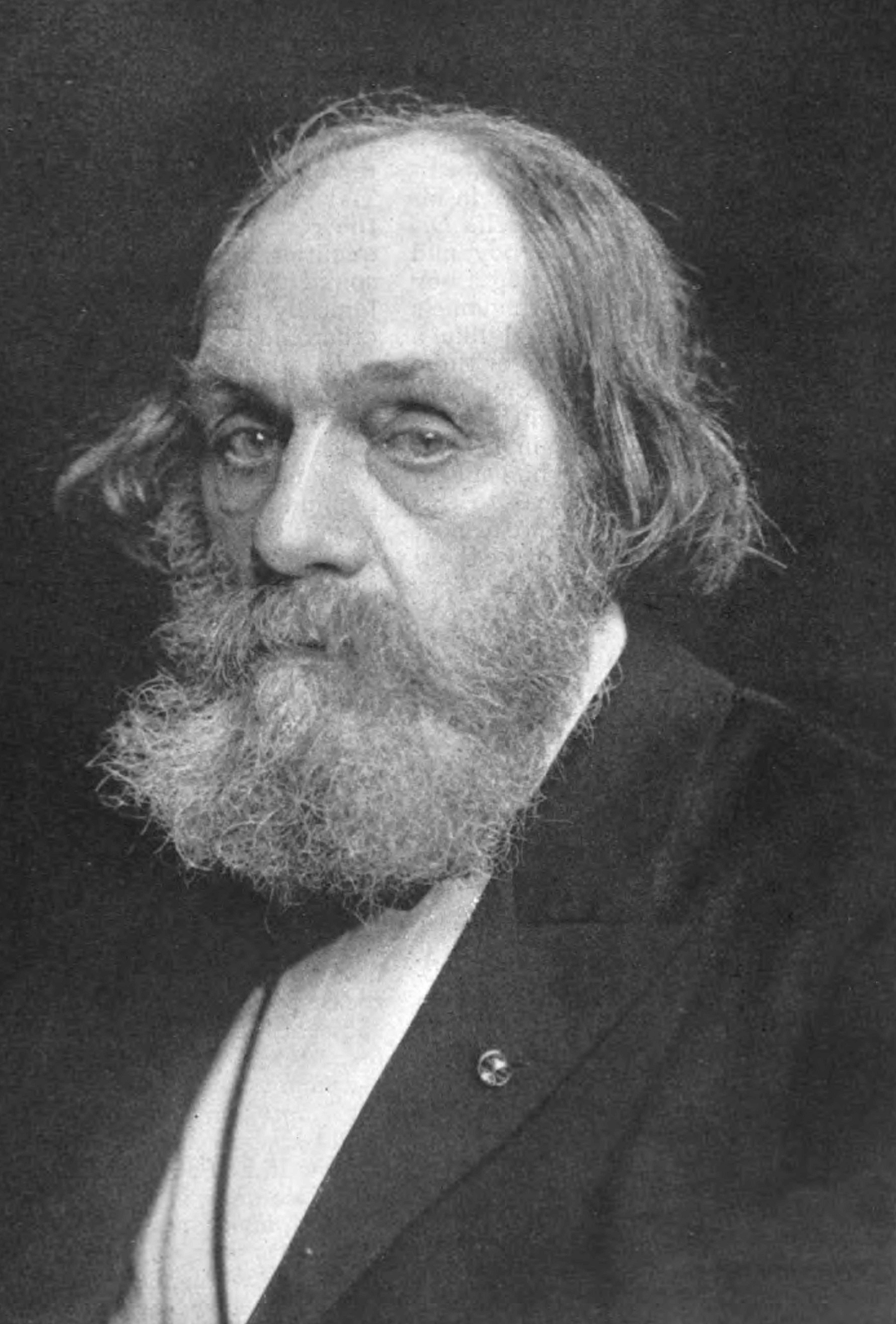
William Still was a prominent African-American abolitionist and a key figure in the Underground Railroad, known for his tireless efforts in aiding enslaved individuals seeking freedom. Based in Philadelphia, he played a crucial role as a conductor, successfully assisting at least 649 slaves to escape bondage. His leadership extended to his position as chairman of the Vigilance Committee of the Pennsylvania Anti-Slavery Society, where he not only facilitated the escape of fugitives but also meticulously documented their journeys. These records were instrumental in reuniting families separated by slavery, showcasing his commitment to both activism and humanitarianism. After the Civil War, Still transitioned into a successful businessman, becoming a coal merchant while continuing his philanthropic endeavors. His dedication to documenting the experiences of escaped slaves culminated in his seminal work, "The Underground Railroad Records" (1872), which provided an invaluable account of the Underground Railroad and the struggles faced by those who sought freedom. Still's legacy as a historian and civil rights activist remains significant, as he not only contributed to the abolitionist movement but also laid the groundwork for future generations advocating for social justice and equality.
Famous Quotes
View all 3 quotes“The pastor by definition is a shepherd, the under-shepherd of the flock of God. His primary task is to feed the flock by leading them to green pastures. He also has to care for them when they are sick or hurt, and seek them when they go astray. The importance of the pastor depends on the value of the sheep. Pursue the pastoral metaphor a little further: Israel's sheep were reared, fed, tended, retrieved, healed and restored – for sacrifice on the altar of God. This end of all pastoral work must never be forgotten – that its ultimate aim is to lead God's people to offer themselves up to Him in total devotion of worship and service.”
“There will never a time in eternity when, in sight of the Lamb on the throne, we will not be sorry for our sin and grateful to the Lamb.”
“It follows, therefore, that the church's evangelism ought to be one in which all the counsel of God is made known to men. We need a recovery of belief in the converting and sanctifying power of the living Word of God in the teaching of the pulpit, and its ability to transform the lives of men and produce in them the lineaments and fruits of mature Christian character.”
Books from the author



Link to this page
Add a free, dofollow link to Lex on your blog, forum, syllabus, or reading list.

<a href="https://lex-books.com/author/william-still"><img src="https://lex-books.com/badges/read-on-lex.svg" alt="William Still on Lex" width="160" height="40"></a>[](https://lex-books.com/author/william-still)[url=https://lex-books.com/author/william-still][img]https://lex-books.com/badges/read-on-lex.svg[/img][/url]William Still on Lex: https://lex-books.com/author/william-still