William S. Thomas
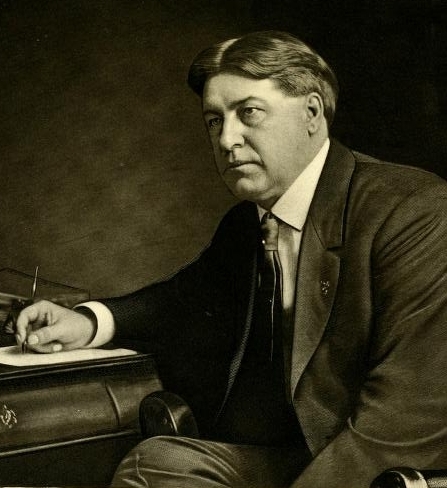
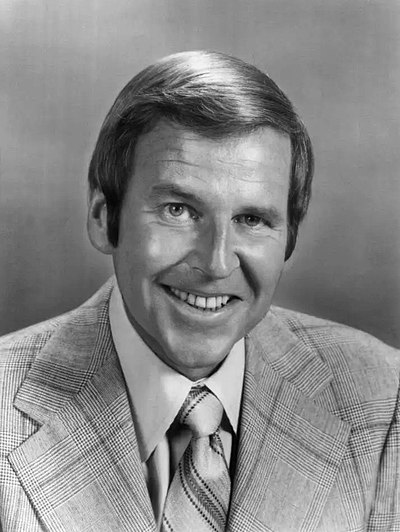
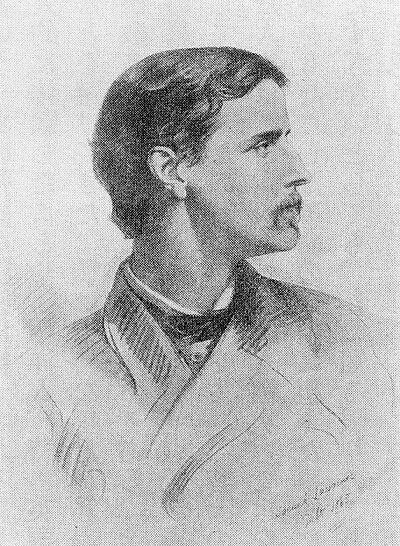
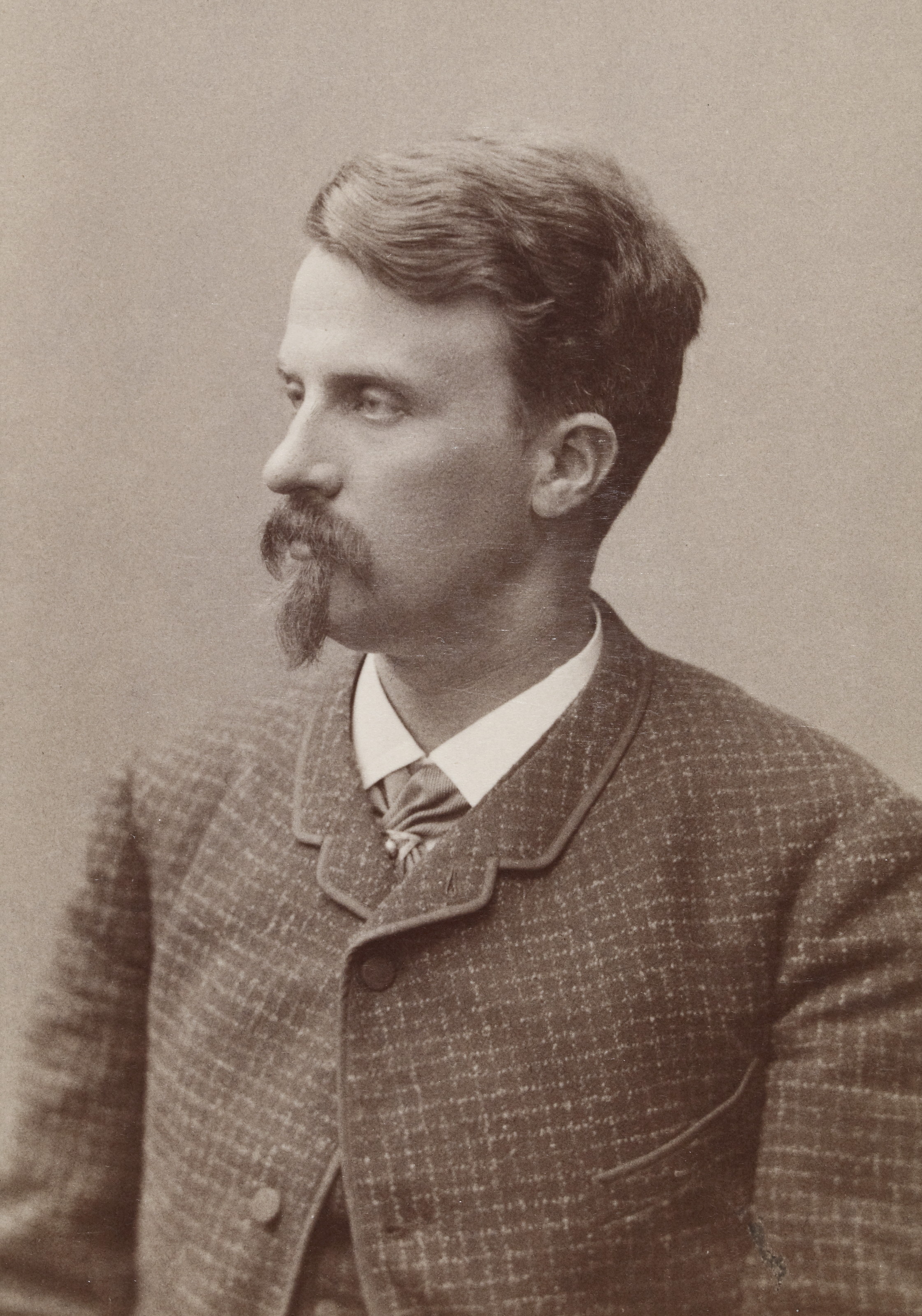
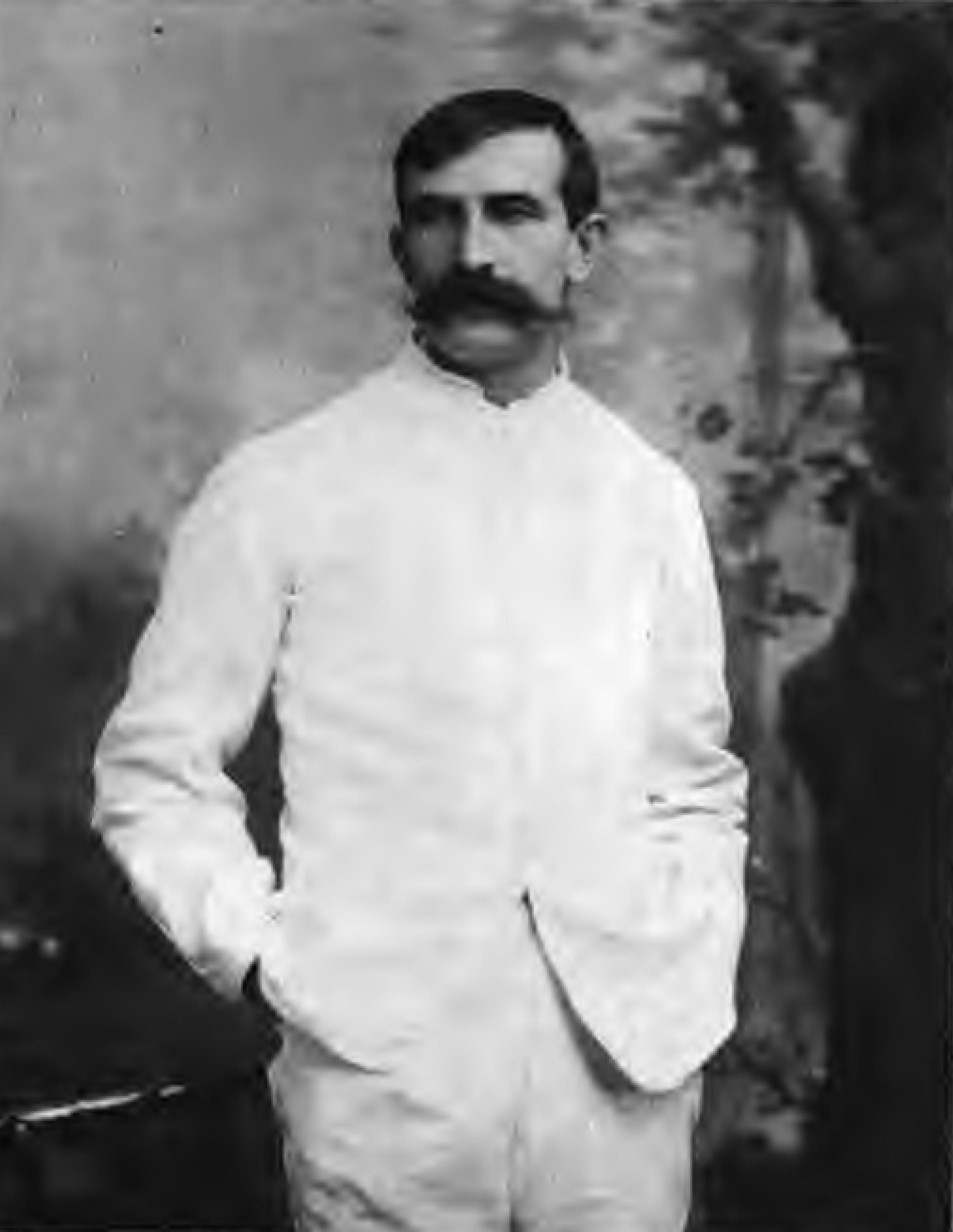
William S. Thomas Jr. (November 21, 1901 – April 19, 1986) was suffragan bishop of the Episcopal Diocese of Pittsburgh, serving from 1953 to 1971.
Famous Quotes
View all 8 quotes“Nobody wanted to hear about all the Preterite, the many God passes over when he chooses a few for salvation. William argued holiness for these "second Sheep," without whom there'd be no elect. You can bet the Elect in Boston were pissed off about that. And it got worse. William felt that what Jesus was for the elect, Judas Iscariot was for the Preterite. Everything in the Creation has its equal and opposite counterpart. How can Jesus be an exception? could we feel for him anything but horror in the face of the unnatural, the extracreational? Well, if he is the son of man, and if what we feel is not horror but love, then we have to love Judas too. Right? How William avoided being burned for heresy, nobody knows.””
“The desire to lift, the willingness to help, and the graciousness to give come from a heart filled with love. The poet wrote, ‘Love is the most noble attribute of the human soul.’ And William Shakespeare cautioned, ‘They do not love who do not show their love’ (Two Gentlemen of Verona, act 1, sc. 2, line 31).””
“For Hegel, it is actually the slave who comes out on top in the long run. In that initial life-and-death struggle, which sets the terms going forward, one “I” experiences what Hegel calls the “fear of death” and submits to the other. This “I” decides he “loves life” and concedes the fight. And this initially submissive consciousness, the slave consciousness, on pain of death, now serves the other’s will and works for him. But it is through this very work that, eventually, he will come to surpass his master, Hegel reasons. On a basic level, this is so because it is the slave who masters objective reality, or nature. The slave takes the plants and animals and transforms them, through work, into meals; the slave transforms, with his hands, a tree into a table; the slave is most alive, becomes necessary, develops his spirit. The master, on the other hand, is parasitic, decadent, dependent. Without the slave’s recognition, he is not even a master; without the slave’s work, he cannot prosper.””
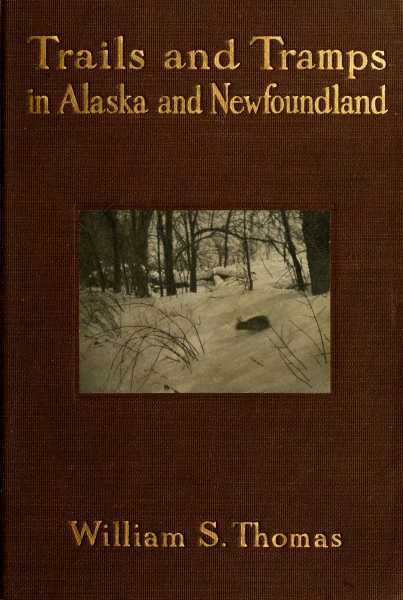
Books from the author


Link to this page
Add a free, dofollow link to Lex on your blog, forum, syllabus, or reading list.

<a href="https://lex-books.com/author/william-s-thomas"><img src="https://lex-books.com/badges/read-on-lex.svg" alt="William S. Thomas on Lex" width="160" height="40"></a>[](https://lex-books.com/author/william-s-thomas)[url=https://lex-books.com/author/william-s-thomas][img]https://lex-books.com/badges/read-on-lex.svg[/img][/url]William S. Thomas on Lex: https://lex-books.com/author/william-s-thomas