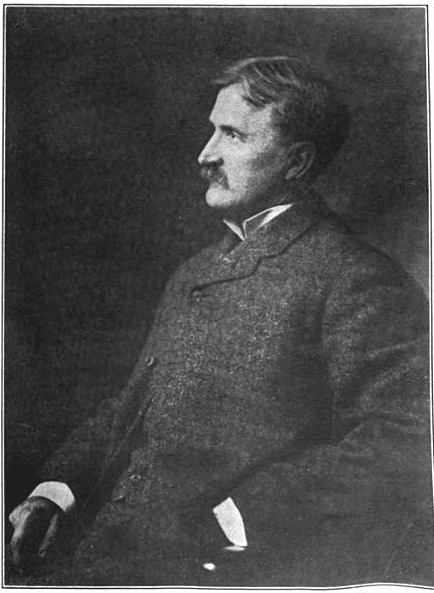
Emerson Hough
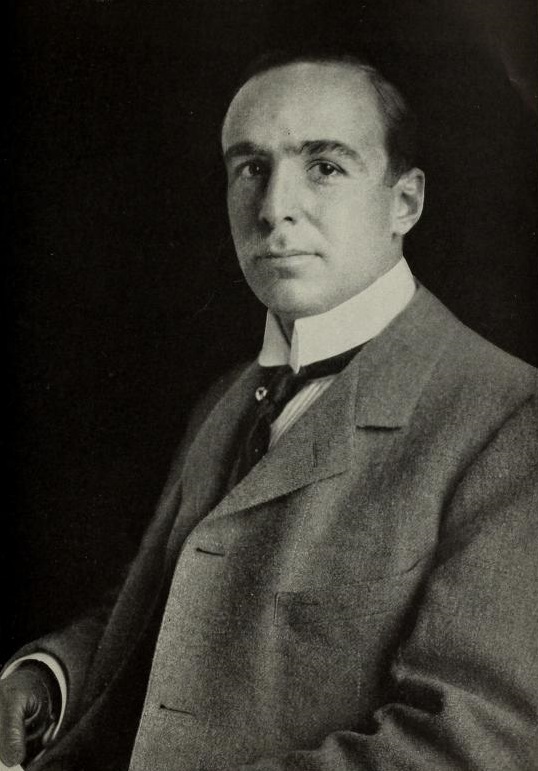
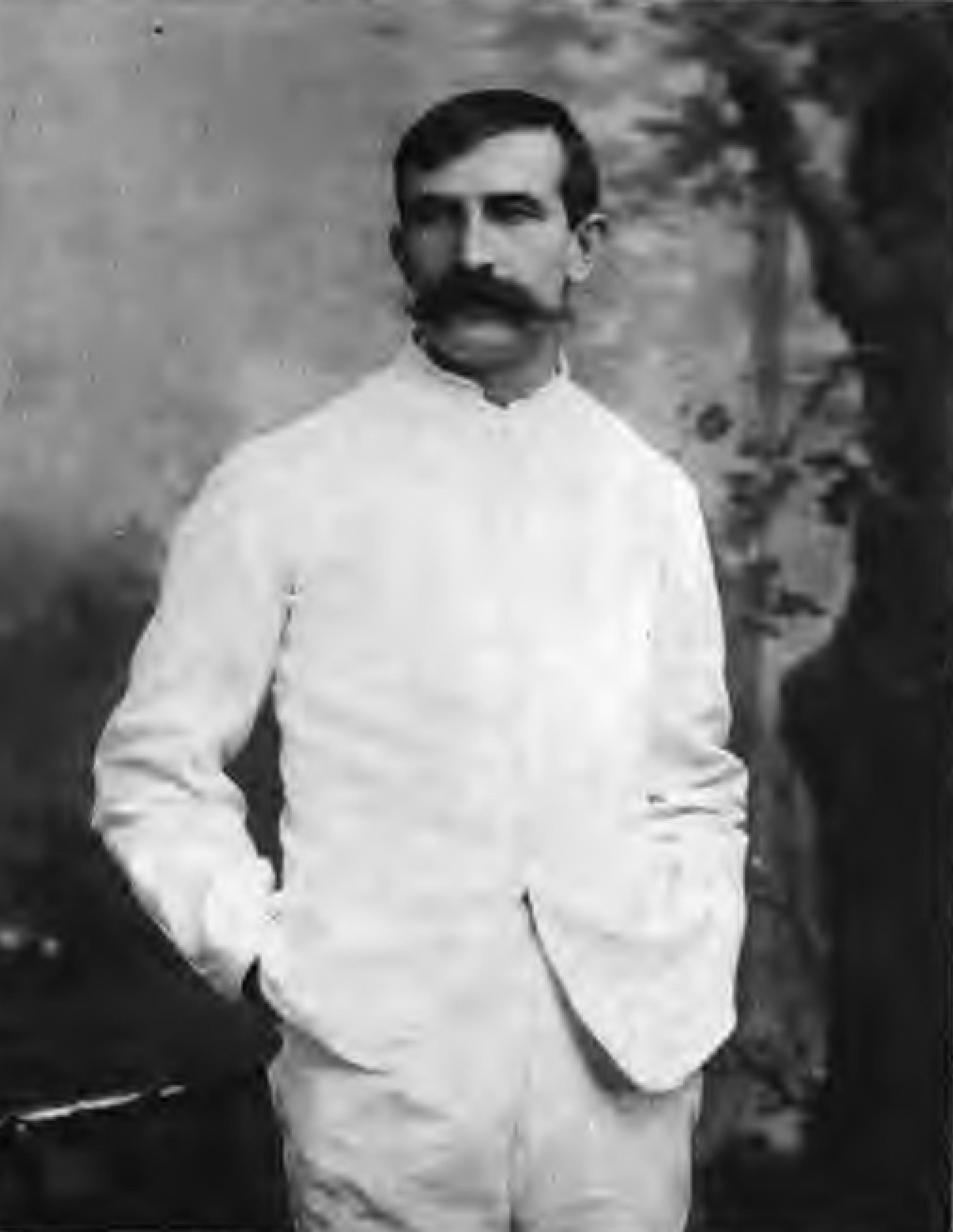
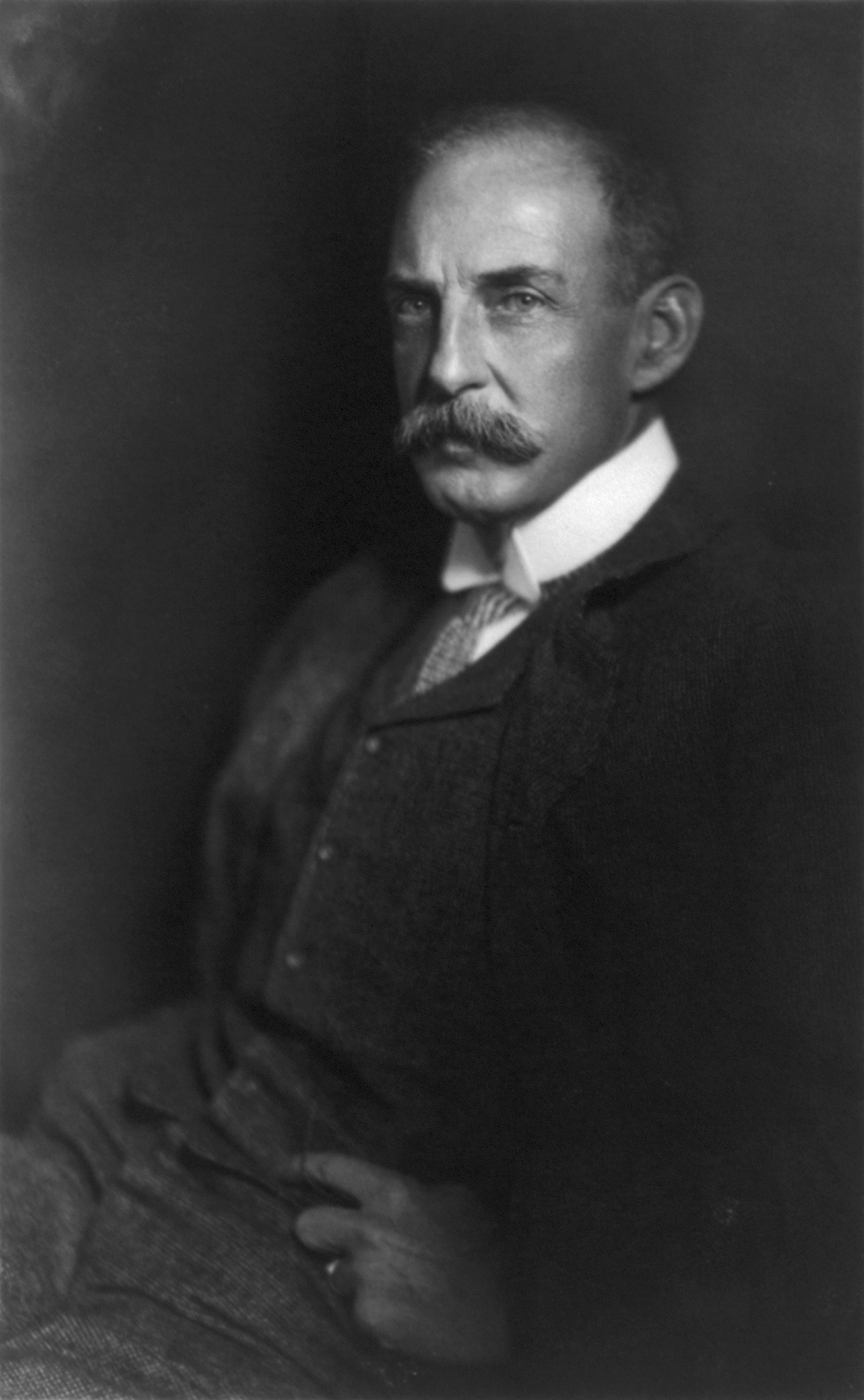
Emerson Hough was an influential American writer recognized for his contributions to western literature and historical novels. Born in 1857, he began his literary career with works such as 'Singing Mouse Stories' and 'Story of the Cowboy,' which showcased his ability to capture the spirit of the American frontier. Hough's storytelling was characterized by vivid descriptions and a deep understanding of the American landscape and its history. His most notable work, 'The Mississippi Bubble,' published in 1902, is a historical novel that explores the speculative frenzy surrounding the Mississippi Company in the early 18th century. This novel not only solidified Hough's reputation as a significant literary figure but also highlighted his skill in weaving historical events with engaging narratives. Throughout his career, many of Hough's stories were adapted into films, further extending his influence on American culture and entertainment. His legacy endures as a pioneer of the western genre, shaping the way future authors approached storytelling in this uniquely American context.
Famous Quotes
View all 3 quotes“Each land in the world produces its own men individually bad - and, in time, other bad men who kill them for the greater good.”
“Each having thus delivered himself of words which meant nothing, both now seated themselves and proceeded to look mighty grave.”
“The white bad man is the worst bad man of the world, and the prize-taking bad man of the lot is the Western white bad man.”
Books from the author
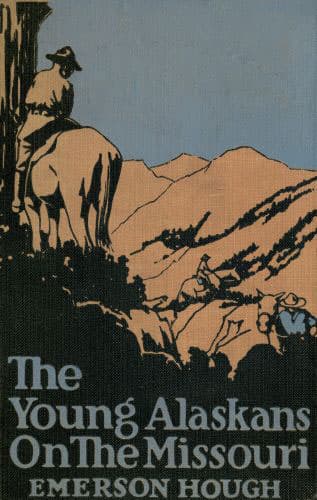








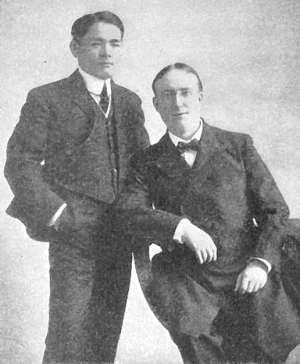
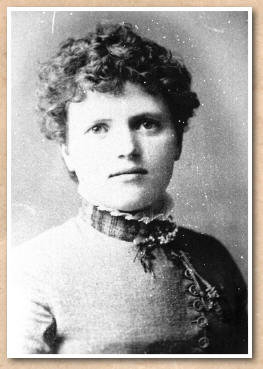





Link to this page
Add a free, dofollow link to Lex on your blog, forum, syllabus, or reading list.

<a href="https://lex-books.com/author/emerson-hough"><img src="https://lex-books.com/badges/read-on-lex.svg" alt="Emerson Hough on Lex" width="160" height="40"></a>[](https://lex-books.com/author/emerson-hough)[url=https://lex-books.com/author/emerson-hough][img]https://lex-books.com/badges/read-on-lex.svg[/img][/url]Emerson Hough on Lex: https://lex-books.com/author/emerson-hough