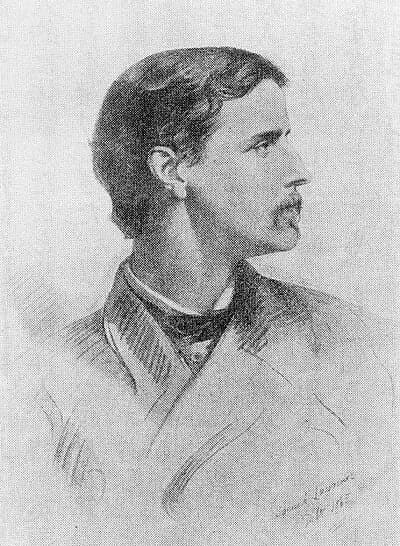
Bertram Mitford
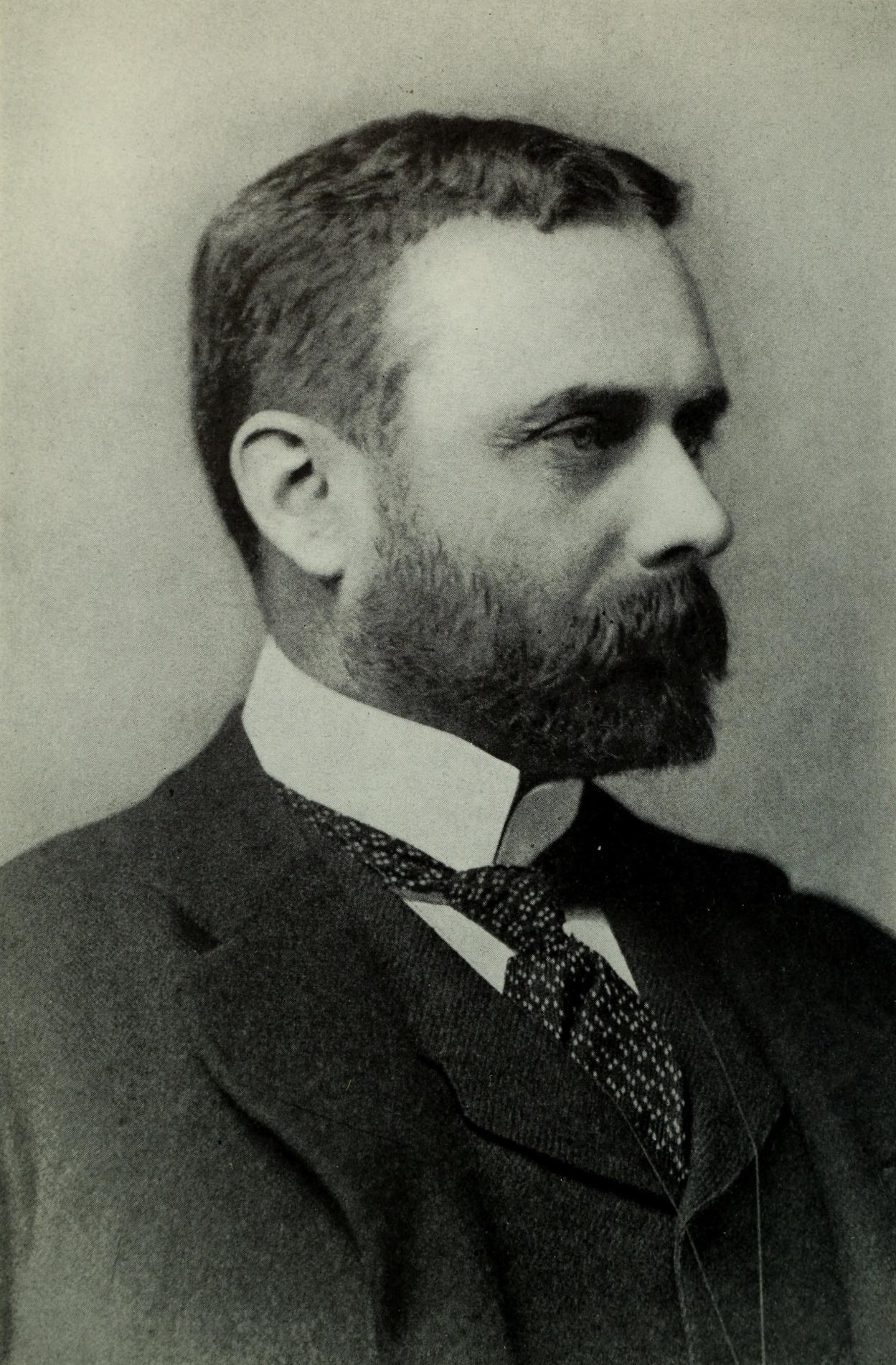
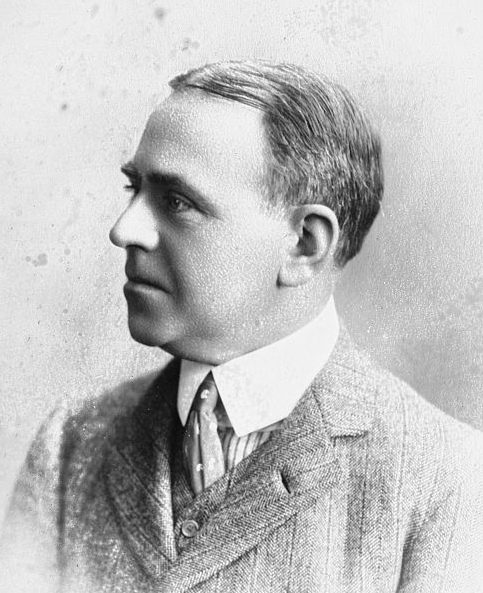
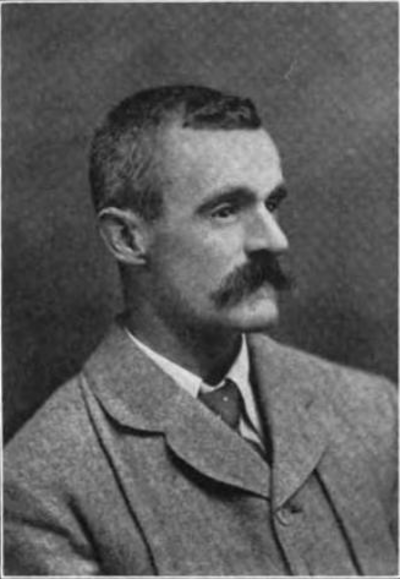
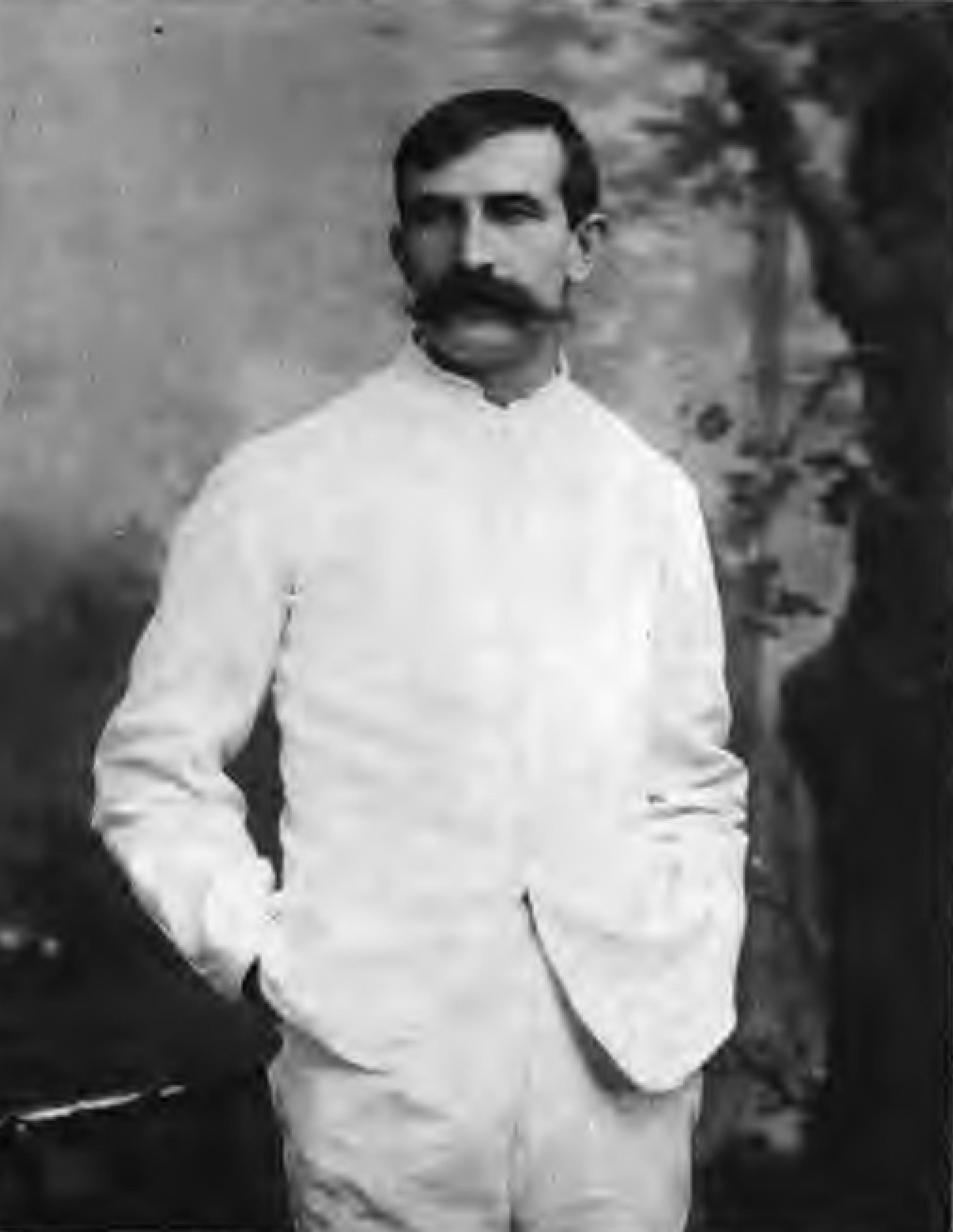
Bertram Mitford was an English novelist and writer known for his adventurous tales set in Africa and the British Empire. Born in 1855, he spent much of his early life in South Africa, which profoundly influenced his literary work. Mitford's experiences in the region provided him with a rich backdrop for his novels, allowing him to explore themes of colonialism, adventure, and the complexities of cultural encounters. His notable works include "The King's Assegai" and "The Sign of the Spider," which reflect both the excitement and the moral ambiguities of imperial life. Mitford's writing style is characterized by vivid descriptions and a strong sense of place, which helped to popularize the genre of colonial adventure fiction during the late 19th century. His narratives often featured heroic protagonists navigating the challenges of the African landscape, while also grappling with the ethical implications of their actions. Although not as widely recognized today, Mitford's contributions to the genre helped shape the perceptions of Africa in British literature and influenced subsequent writers in the field. He passed away in 1914, leaving behind a body of work that encapsulates the spirit of his time and the complexities of imperial narratives.
Famous Quotes
View all 7 quotes“If a man thinks only of his own profit, and tries to benefit himself at the expense of others, he will incur the hatred of Heaven.””
“The provision is very inferior to the cities of refuge which were set apart by Moses for the manslayer to flee to from the fury of the avenger. Such as it was, however, it existed, and it is remarkable that Confucius, when consulted on the subject, took no notice of it, but affirmed the duty of blood-revenge in the strongest and most unrestricted terms.””
“A guilty man," said the priest, with a smile, "shudders at the rustling of the wind or the chattering of a stork's beak: a murderer's conscience preys upon his mind till he sees what is not.””
Books from the author

Link to this page
Add a free, dofollow link to Lex on your blog, forum, syllabus, or reading list.

<a href="https://lex-books.com/author/bertram-mitford"><img src="https://lex-books.com/badges/read-on-lex.svg" alt="Bertram Mitford on Lex" width="160" height="40"></a>[](https://lex-books.com/author/bertram-mitford)[url=https://lex-books.com/author/bertram-mitford][img]https://lex-books.com/badges/read-on-lex.svg[/img][/url]Bertram Mitford on Lex: https://lex-books.com/author/bertram-mitford