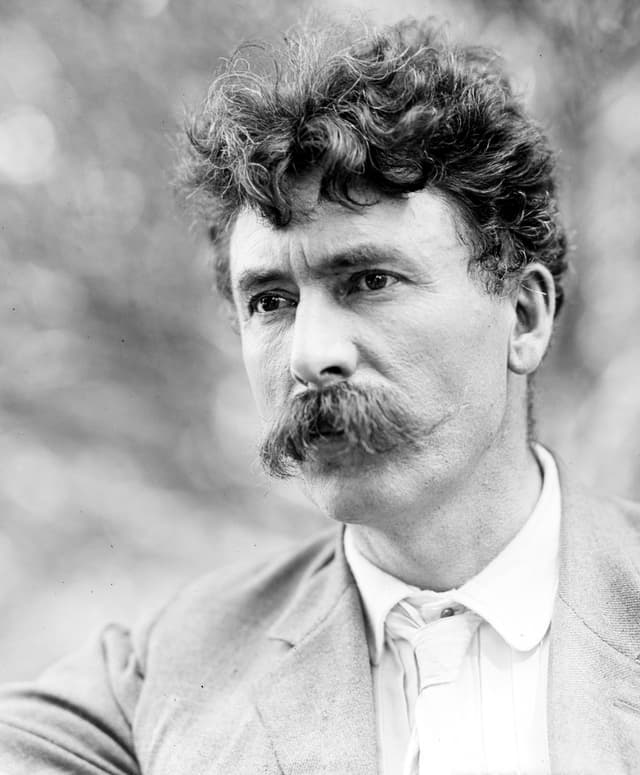
Ernest Thompson Seton
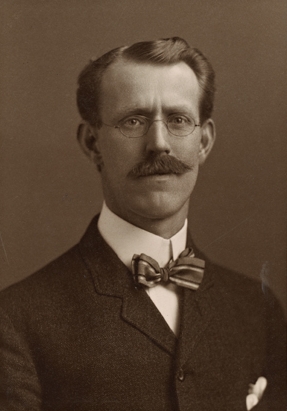
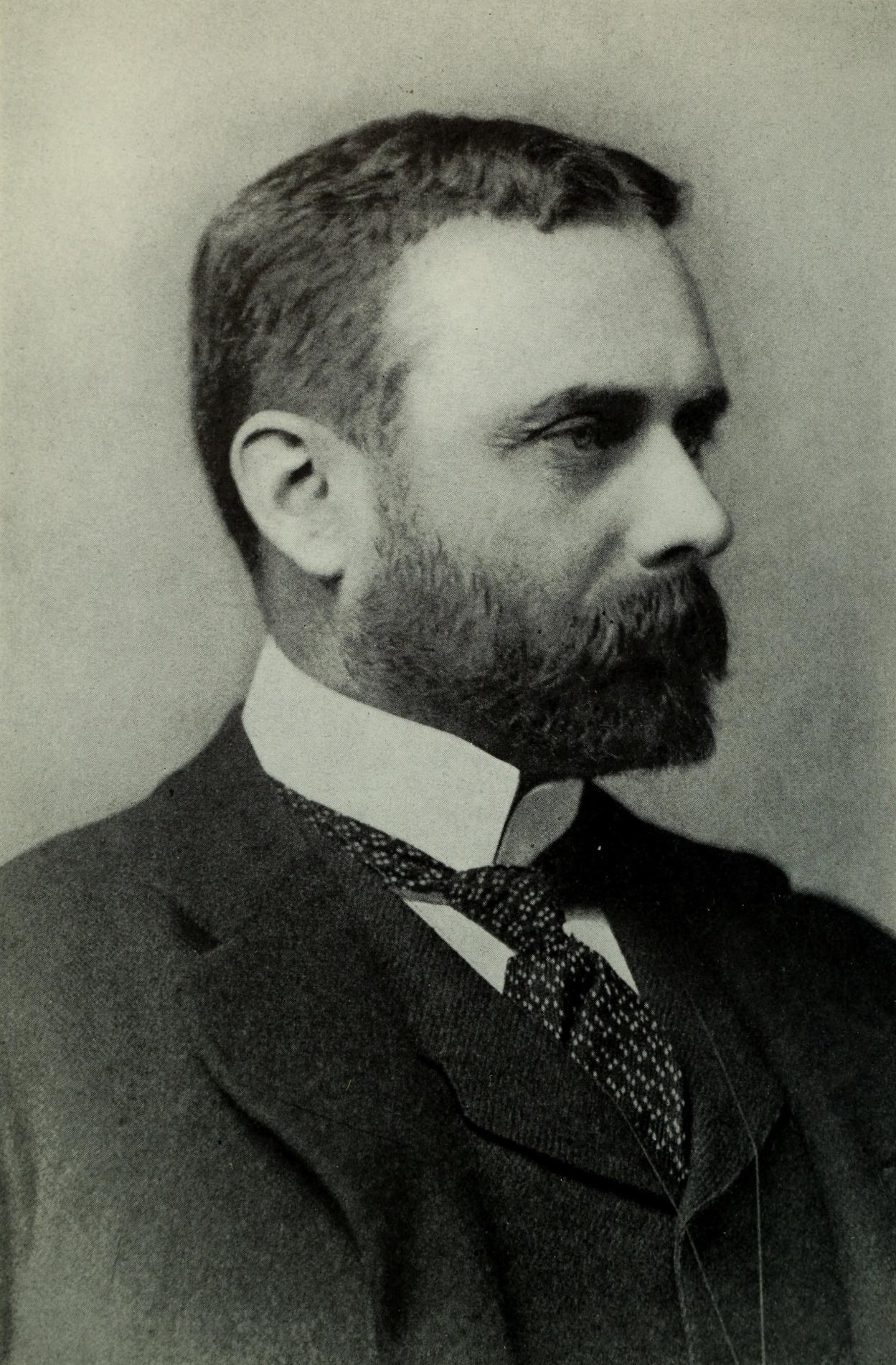
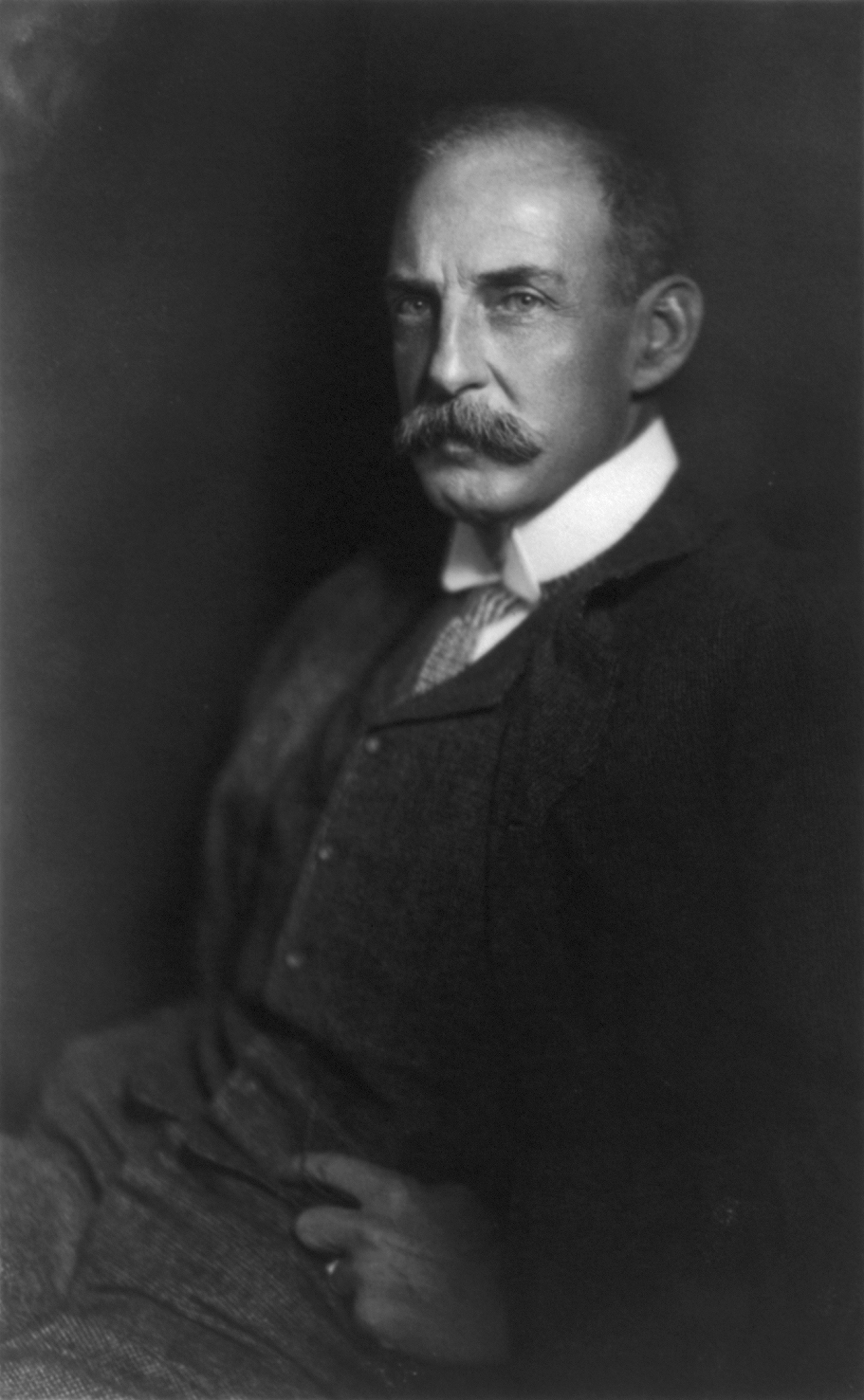
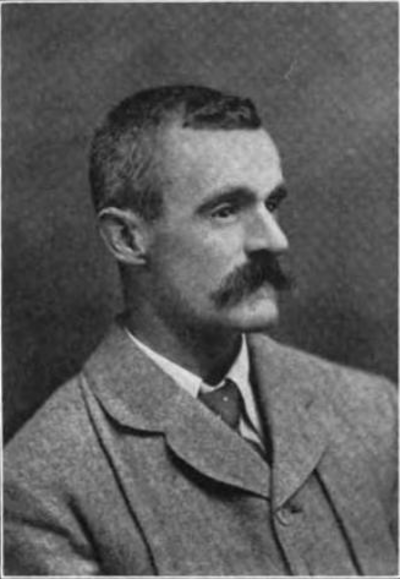
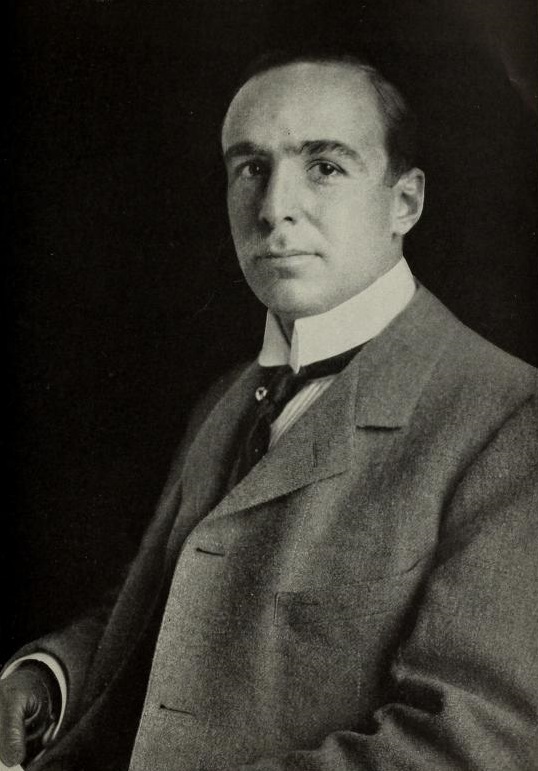
Ernest Thompson Seton was a Canadian and American author, wildlife artist, and a pivotal figure in the early development of the Scouting movement. Born as Ernest Evan Thompson, he became a prominent advocate for nature and wildlife conservation through his writings and illustrations. Seton founded the Woodcraft Indians in 1902, an organization that emphasized outdoor skills and appreciation for nature, which later evolved into the Woodcraft League of America. His influence extended to the Boy Scouts of America, which he helped establish in 1910, and he played a significant role in shaping its foundational principles, drawing inspiration from Native American culture and traditions. Seton's literary contributions include notable works such as "The Birch Bark Roll" and the "Boy Scout Handbook," which not only provided practical guidance for young scouts but also instilled a sense of adventure and respect for the natural world. His storytelling often featured themes of wildlife and the wilderness, reflecting his deep connection to nature. Seton's legacy endures through his impact on the Scouting movement and his efforts to promote environmental awareness, making him a significant figure in both literature and outdoor education.
Famous Quotes
View all 3 quotes“Not Carnegie, Vanderbilt, and Astor together could have raised money enough to buy a quarter share in my little dog.”
“The culture and civilization of the White man are essentially material; his measure of success is, "How much property have I acquired for myself?" The culture of the Red man is fundamentally spiritual; his measure of success is, "How much service have I rendered to my people?”
“Next day on returning I found him dead in the snow with his head on the sill of the door—the door of his puppyhood's days; my dog to the last in his heart of hearts—it was my help he sought, and vainly sought, in the hour of his bitter extremity.”
Books from the author
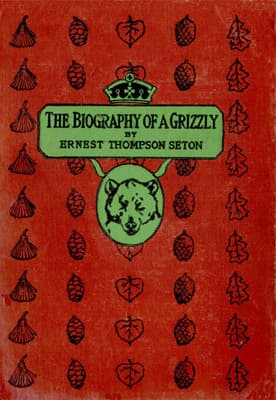
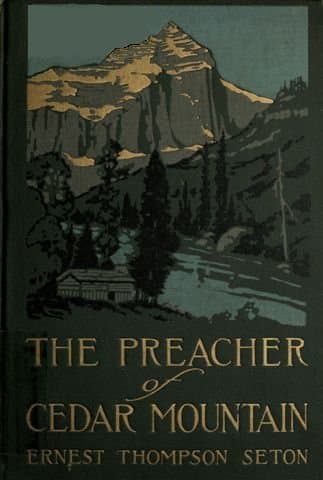
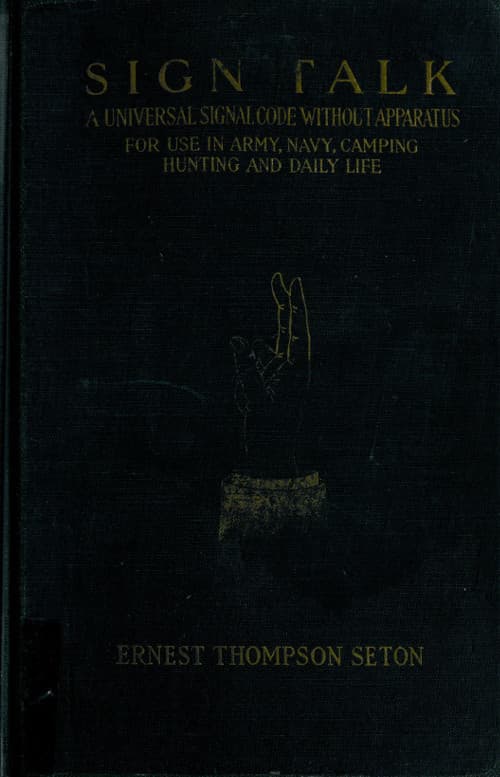



Link to this page
Add a free, dofollow link to Lex on your blog, forum, syllabus, or reading list.

<a href="https://lex-books.com/author/ernest-thompson-seton"><img src="https://lex-books.com/badges/read-on-lex.svg" alt="Ernest Thompson Seton on Lex" width="160" height="40"></a>[](https://lex-books.com/author/ernest-thompson-seton)[url=https://lex-books.com/author/ernest-thompson-seton][img]https://lex-books.com/badges/read-on-lex.svg[/img][/url]Ernest Thompson Seton on Lex: https://lex-books.com/author/ernest-thompson-seton