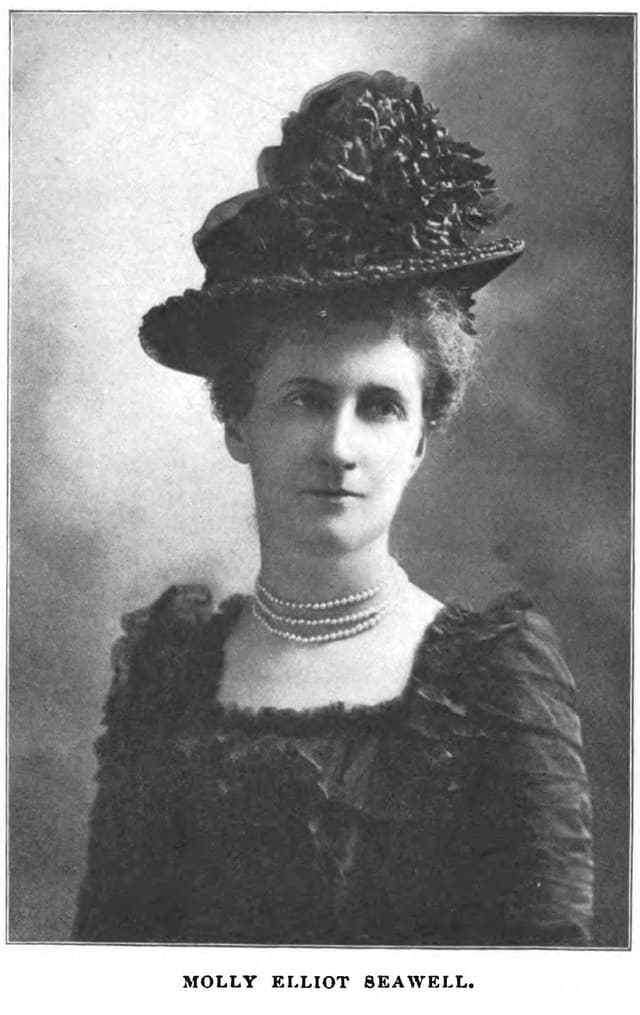
Molly Elliot Seawell
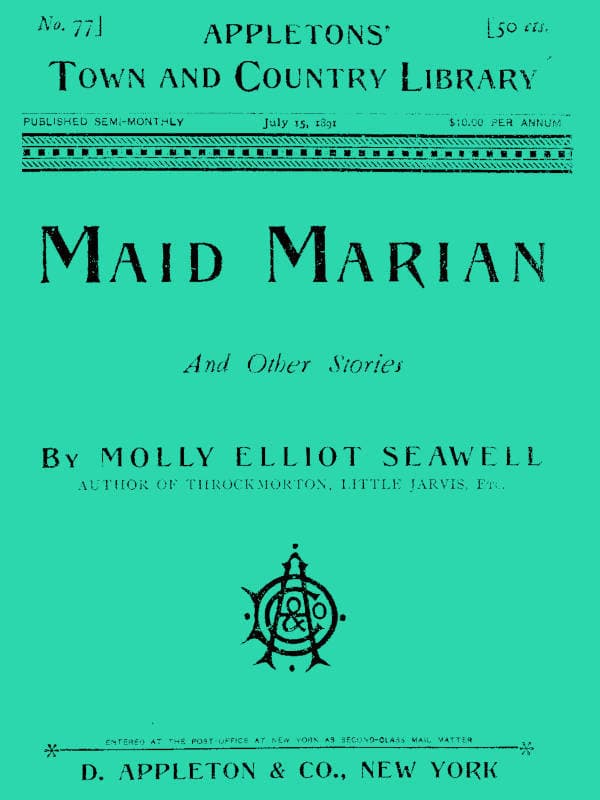
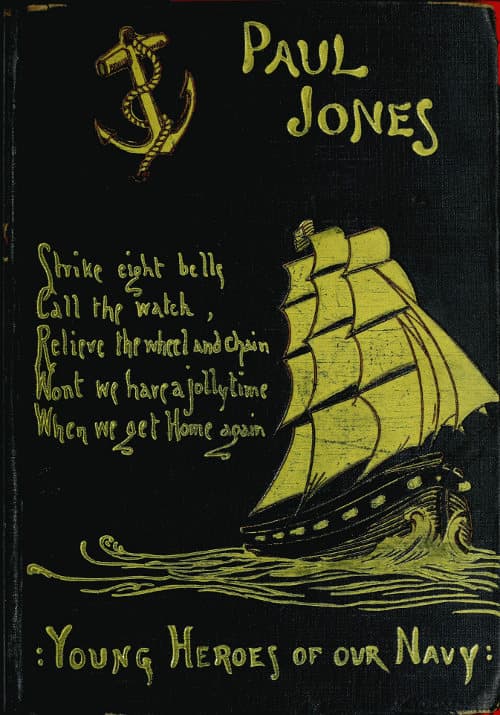
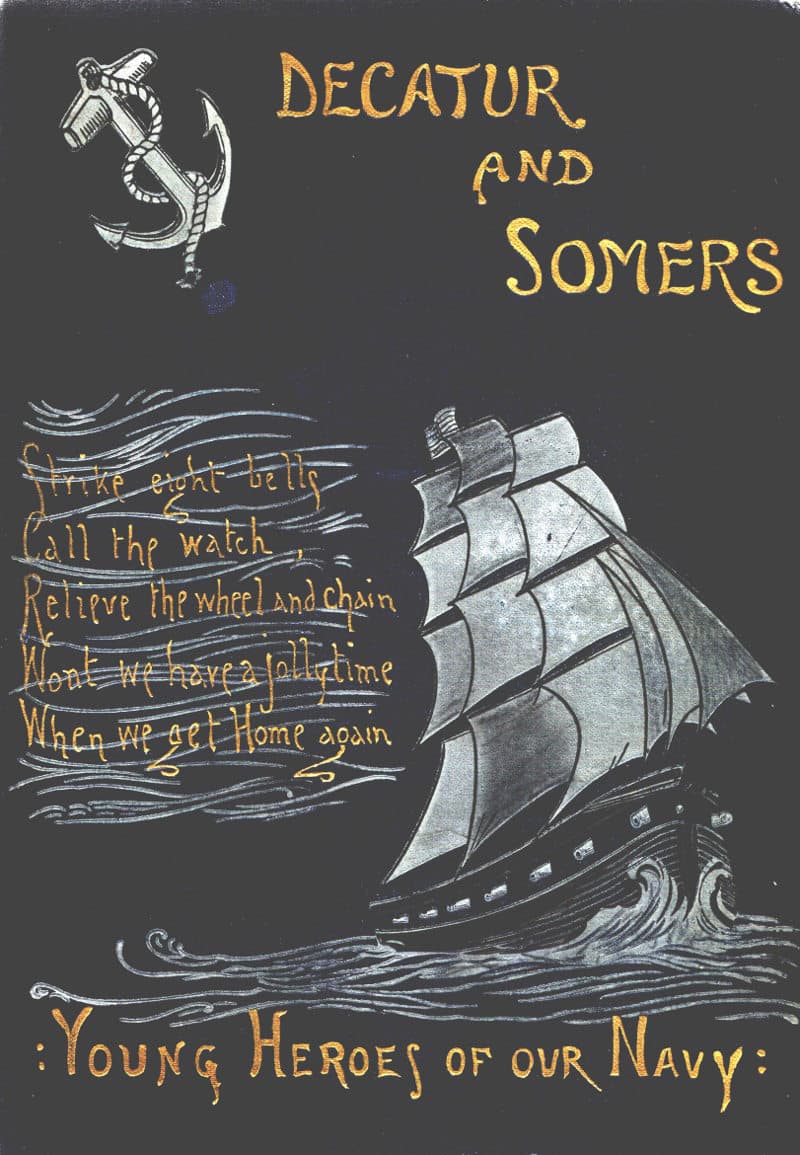
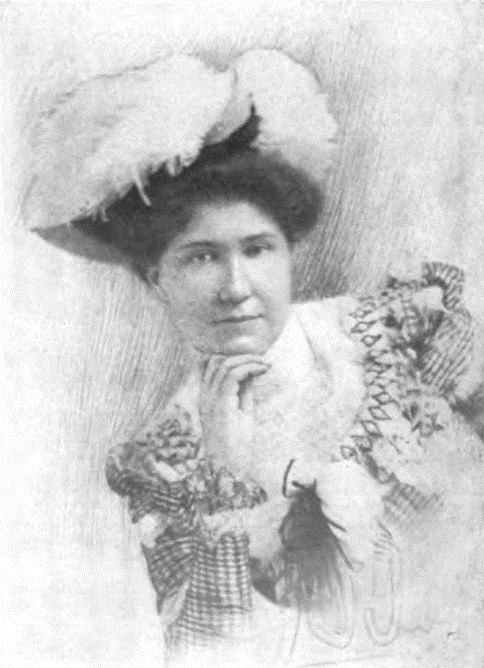
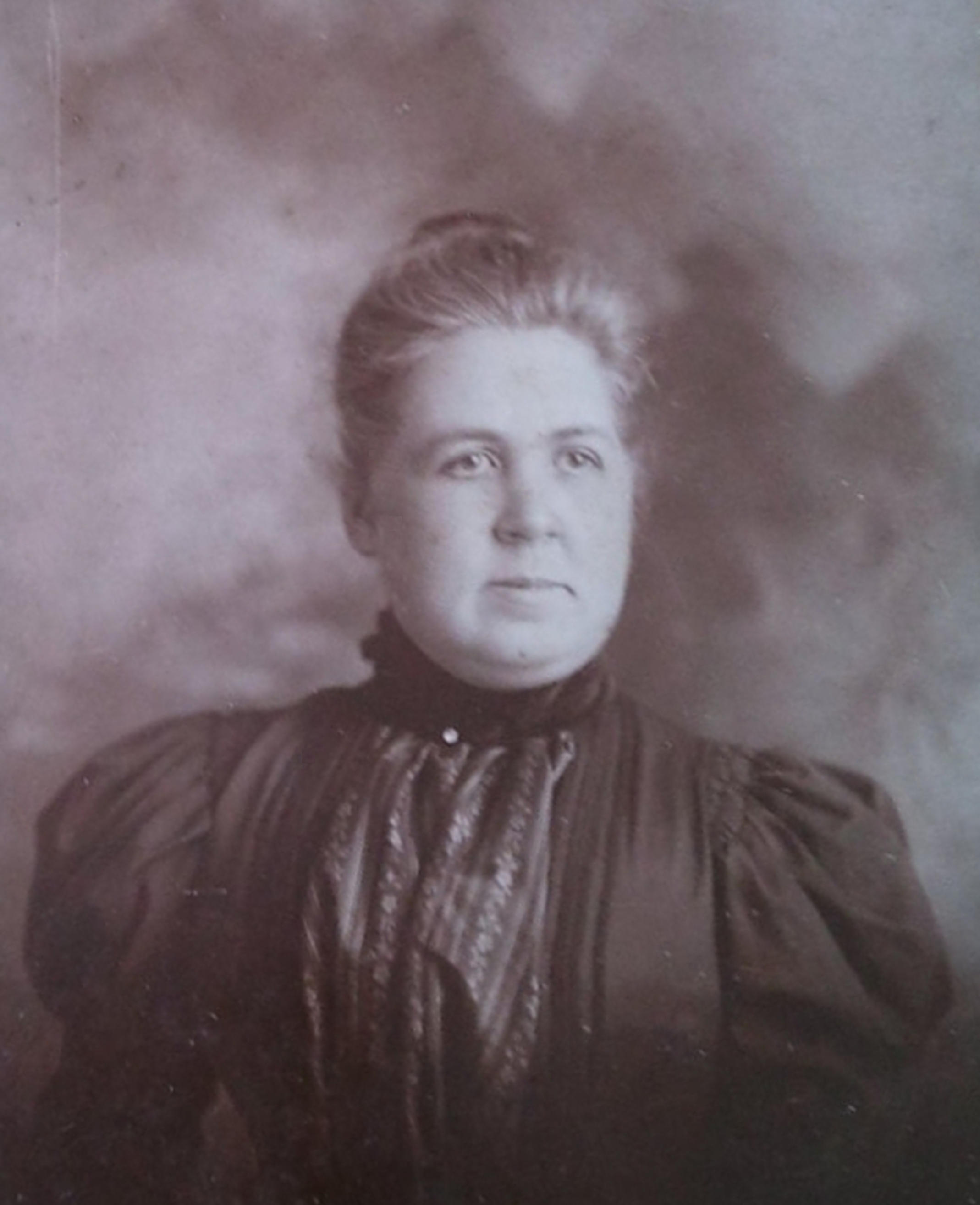
Molly Elliot Seawell was an influential American historian and writer, known for her contributions to both juvenile literature and essays on women's creative potential. Born into a prominent Virginia family and raised on a plantation, she was immersed in literature from an early age, developing a deep appreciation for poetry and the classics. Her literary career began in earnest when she submitted stories to Lippincott's Monthly Magazine, where her unique voice was quickly recognized by editor William S. Walsh. Seawell's breakthrough came with the publication of her story 'Maid Marian,' which is often regarded as her finest work. She later expanded her repertoire to include juvenile fiction, with notable titles like 'Little Jarvis' and 'Young Heroes of Our Navy.' Seawell's essay 'On the Absence of Creative Faculty in Women' sparked significant discourse on women's roles in literature, attracting responses from prominent figures such as Andrew Lang and Thomas Wentworth Higginson. This essay is often cited as one of her most impactful contributions, highlighting the challenges women faced in the literary world. Her writing style has been compared to that of Jane Austen, reflecting her keen observations of character and society. Seawell's legacy endures through her diverse body of work, which not only entertained but also challenged societal norms regarding women's creativity and literary expression.
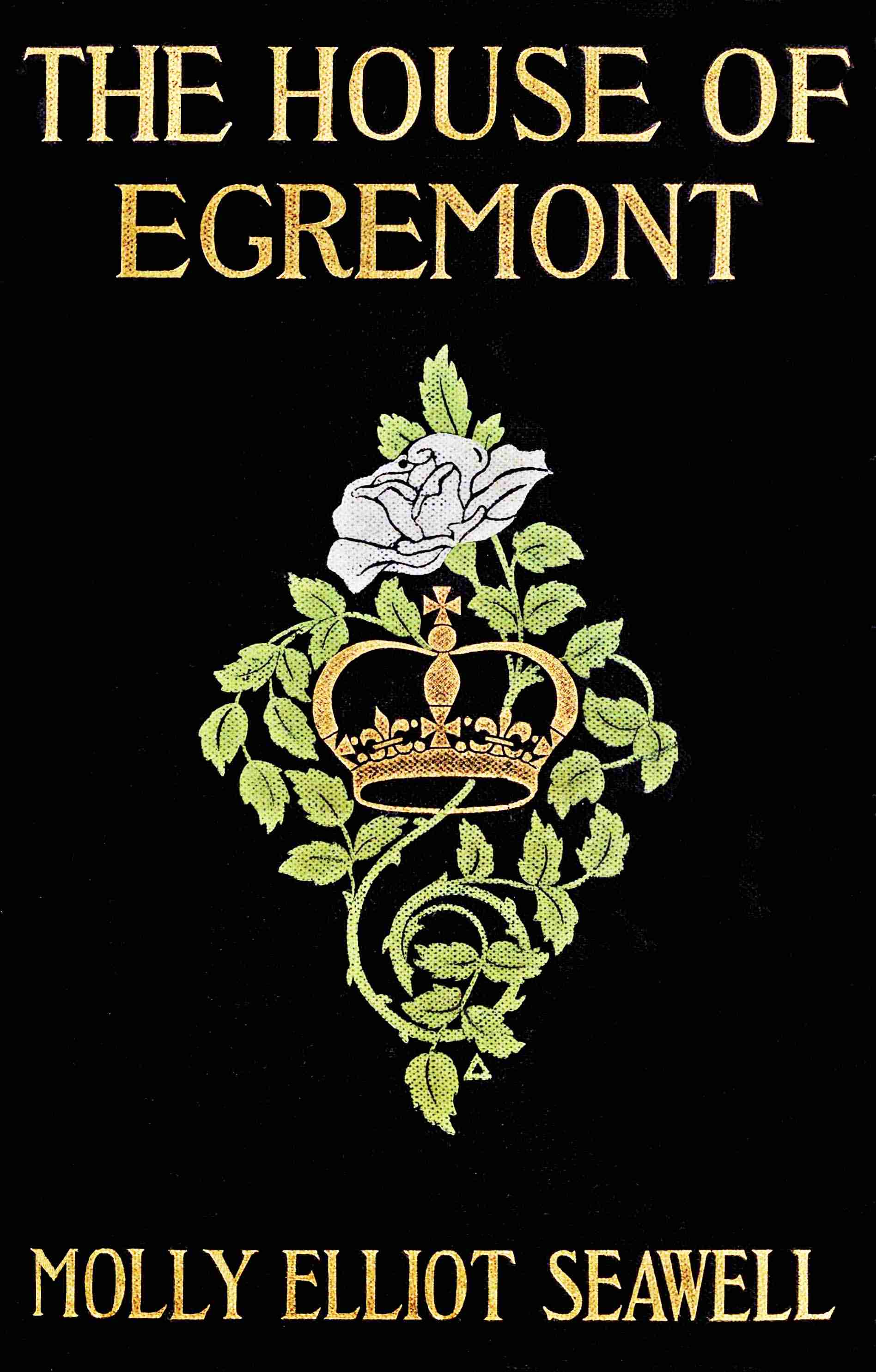
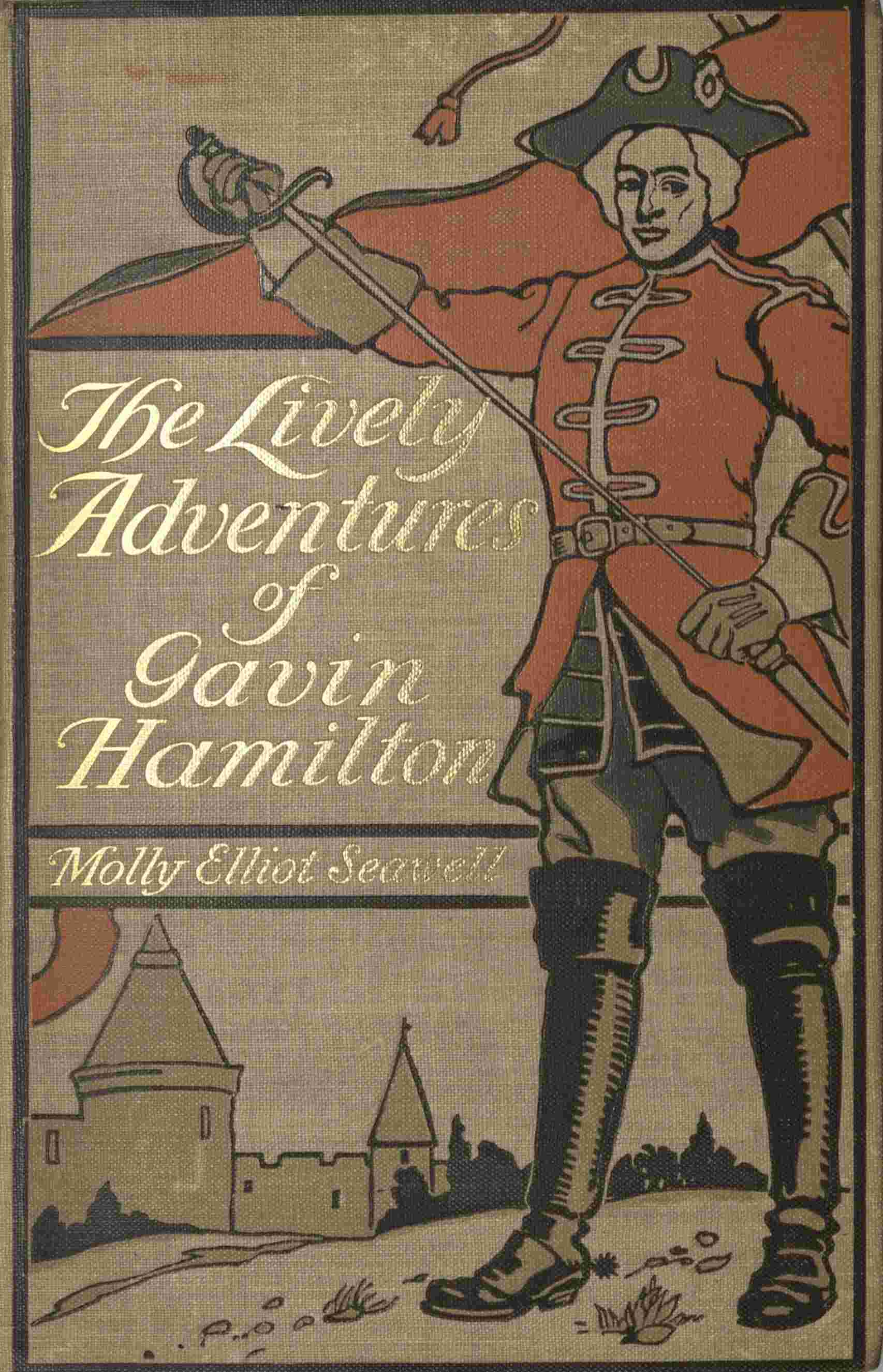
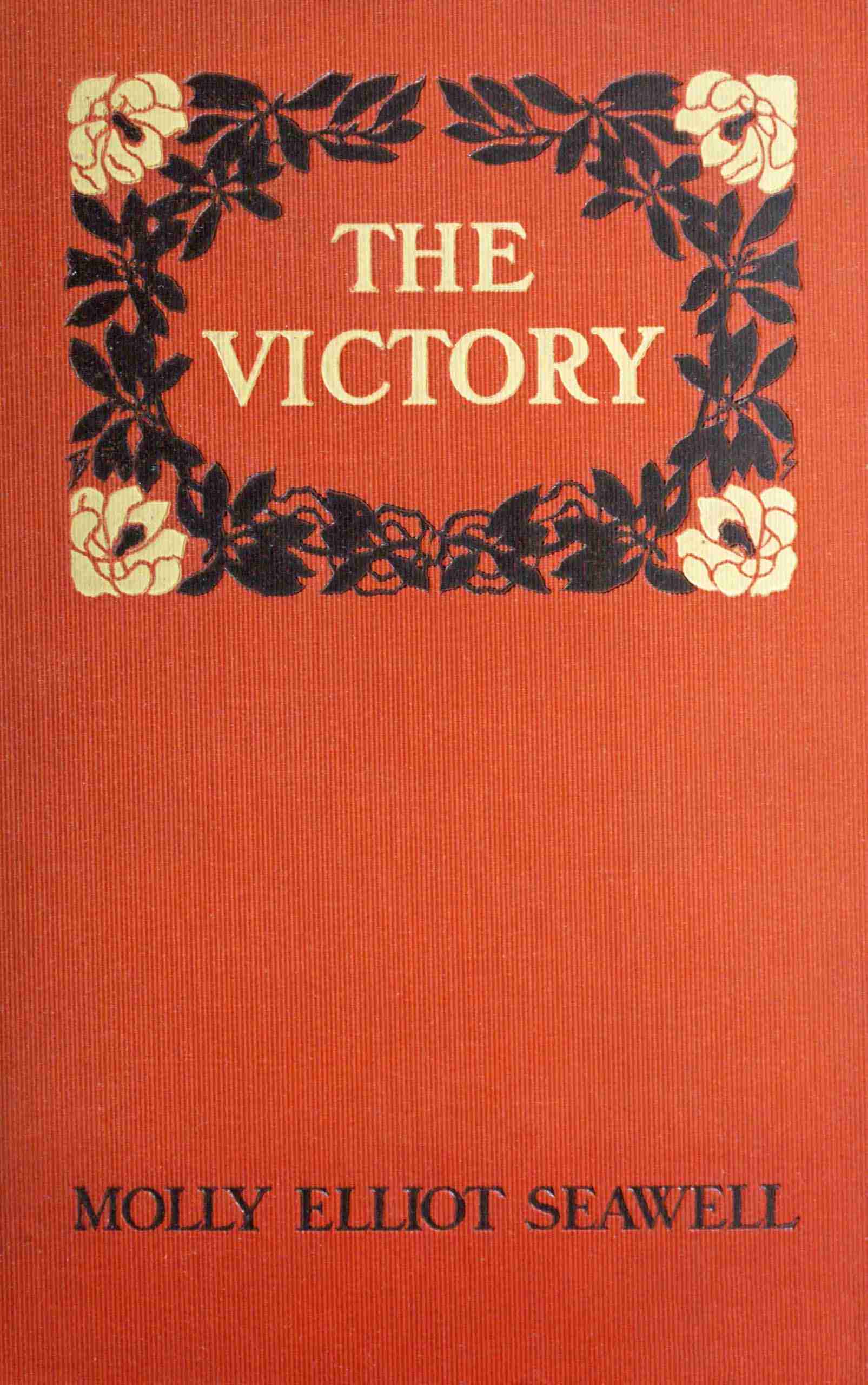
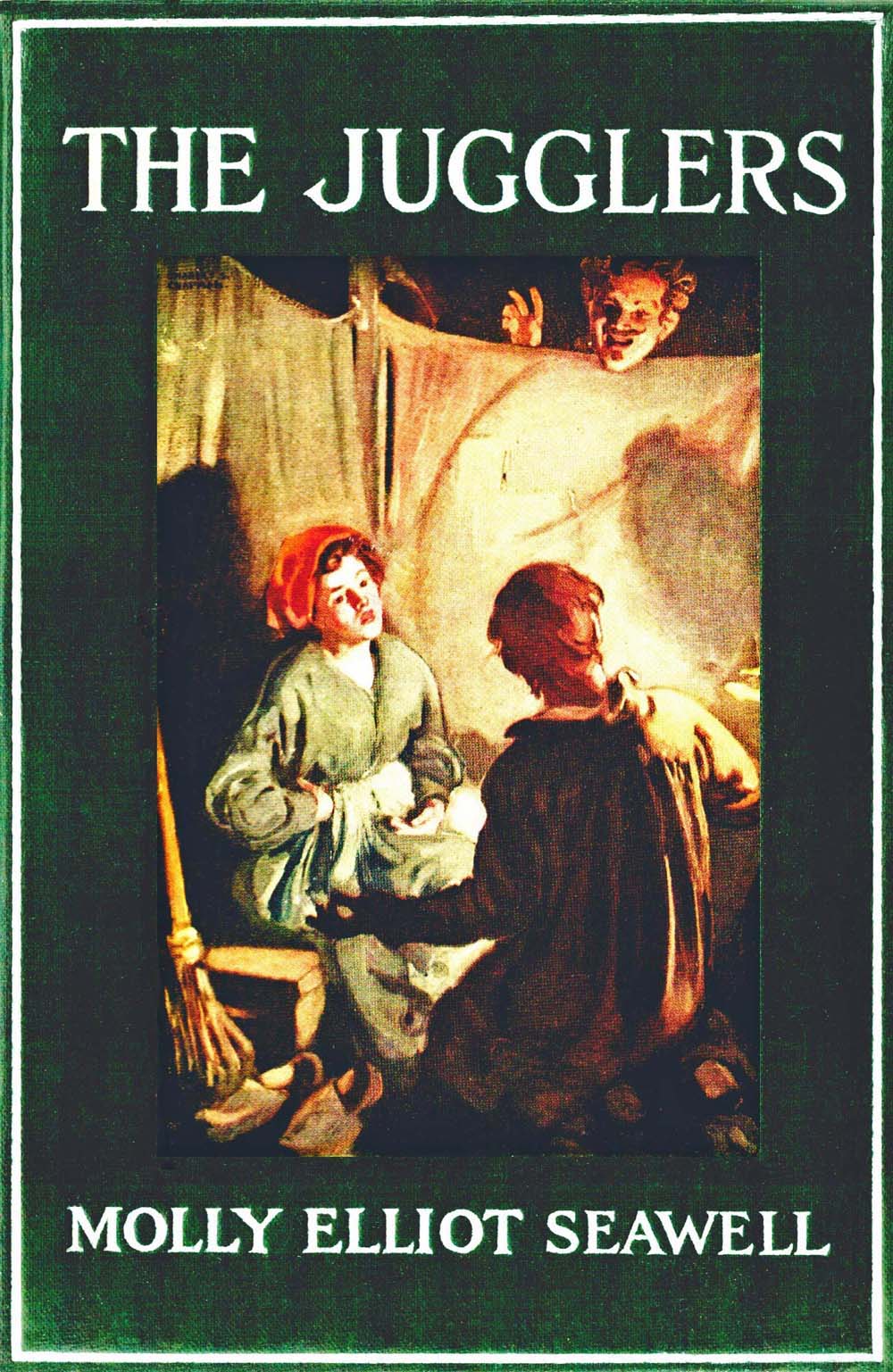
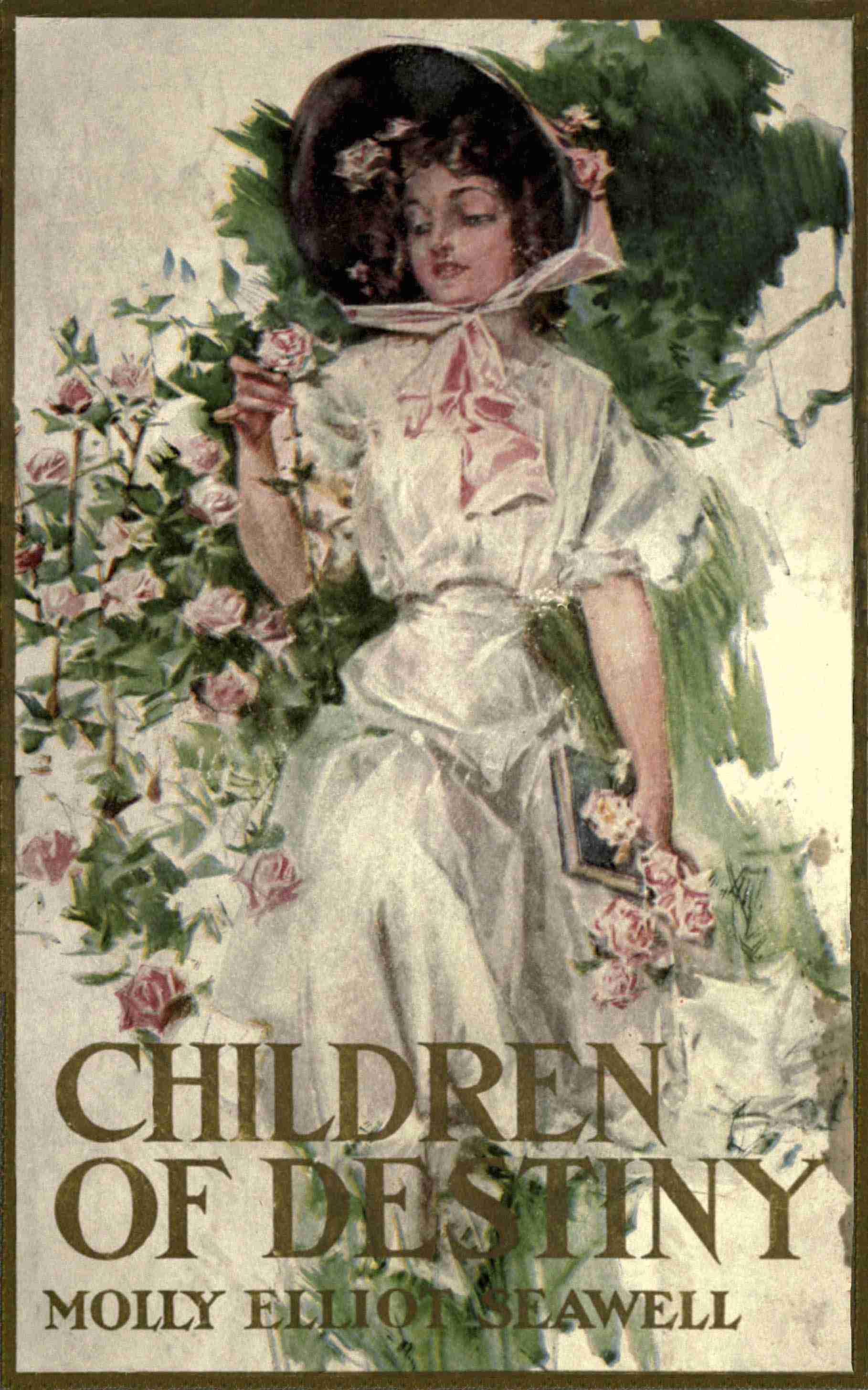
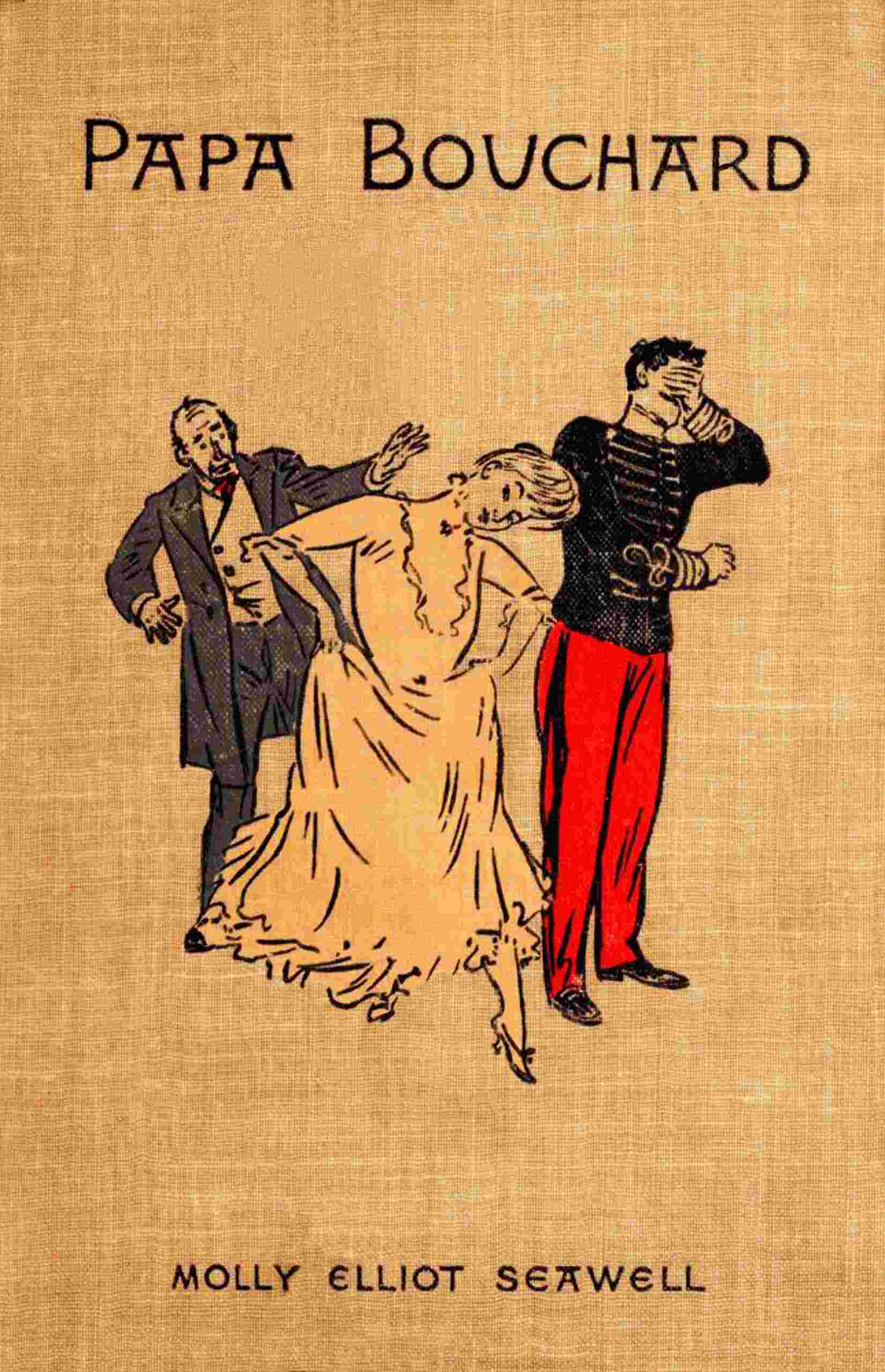
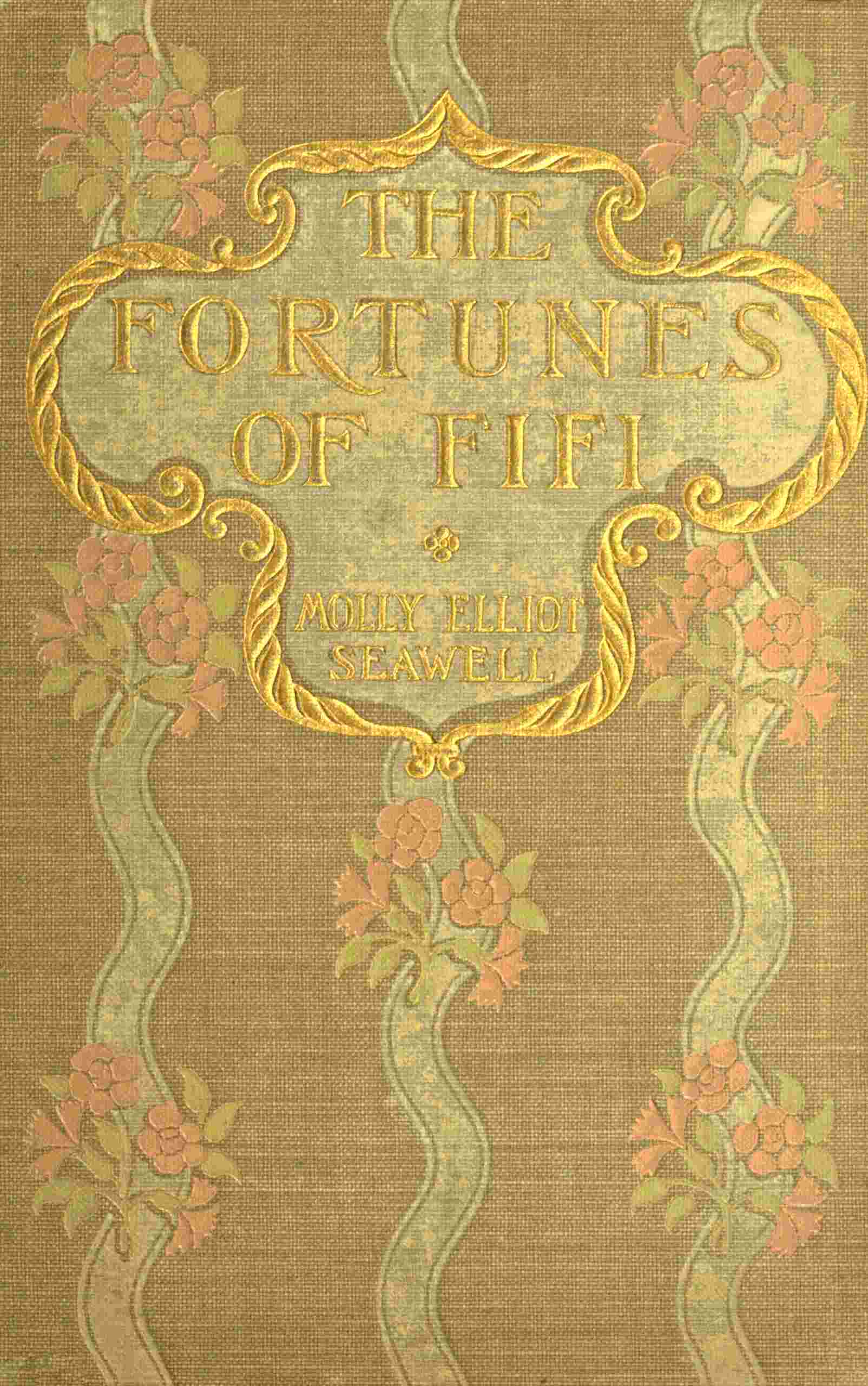
Books from the author

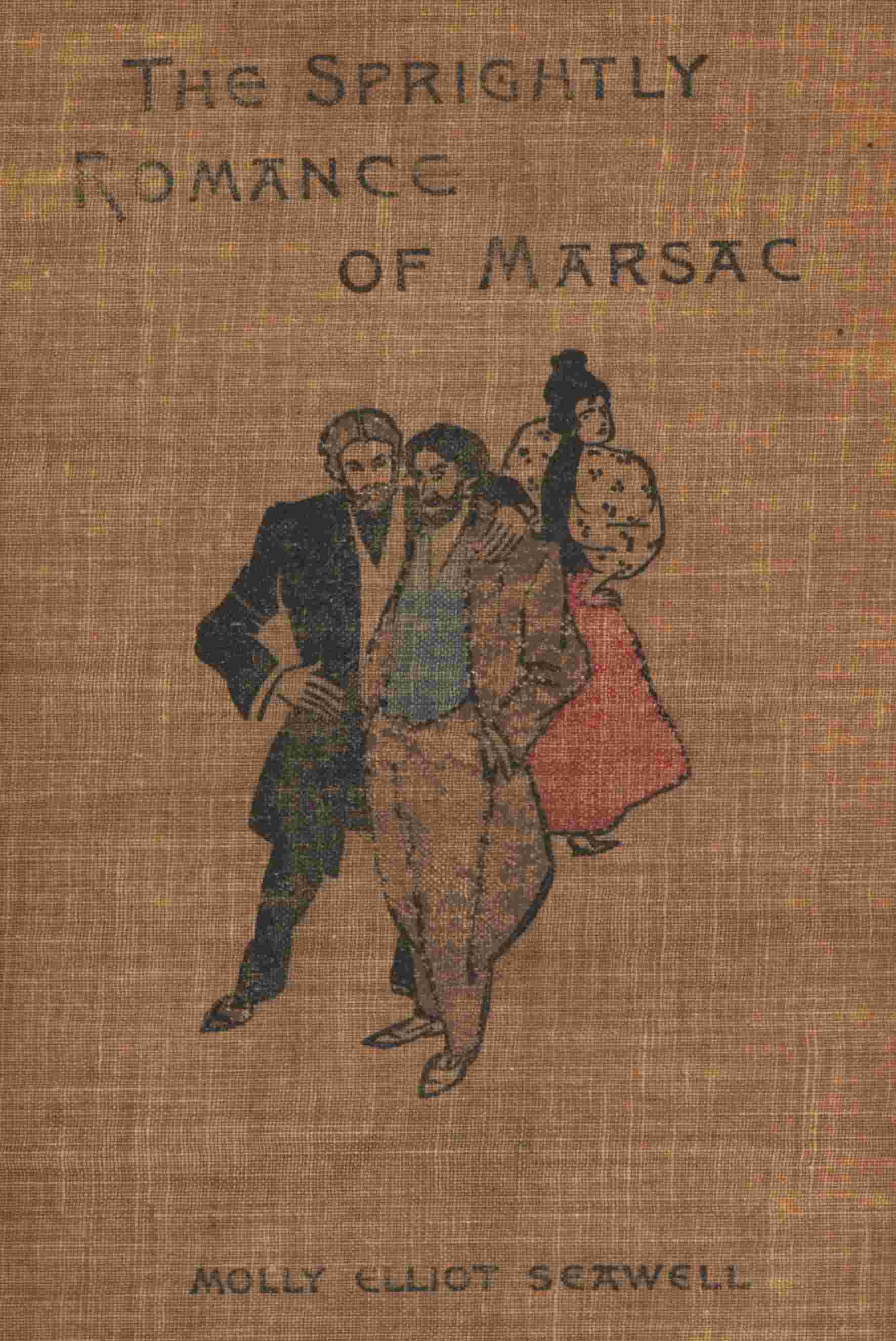
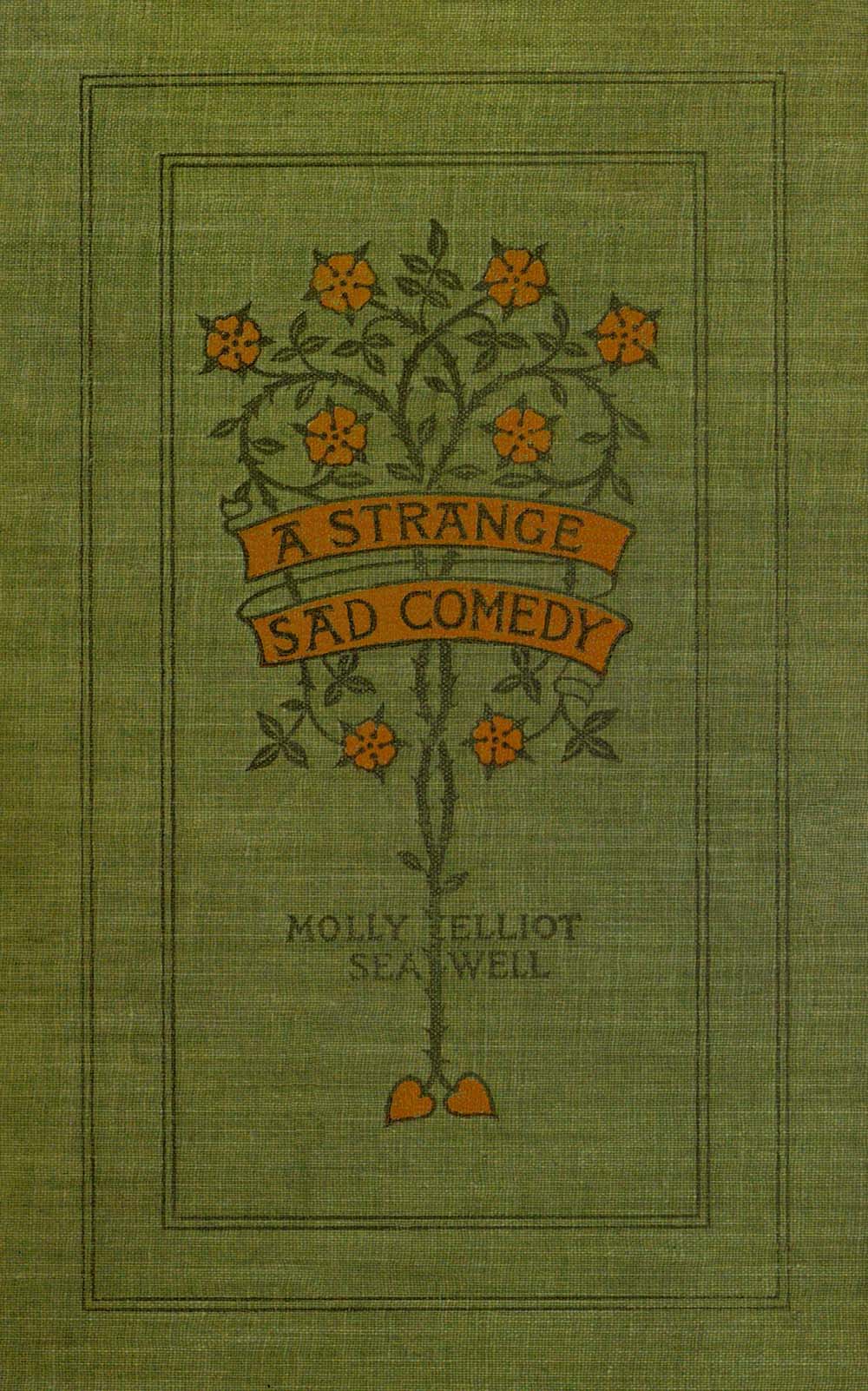


Link to this page
Add a free, dofollow link to Lex on your blog, forum, syllabus, or reading list.

<a href="https://lex-books.com/author/molly-elliot-seawell"><img src="https://lex-books.com/badges/read-on-lex.svg" alt="Molly Elliot Seawell on Lex" width="160" height="40"></a>[](https://lex-books.com/author/molly-elliot-seawell)[url=https://lex-books.com/author/molly-elliot-seawell][img]https://lex-books.com/badges/read-on-lex.svg[/img][/url]Molly Elliot Seawell on Lex: https://lex-books.com/author/molly-elliot-seawell