William P. Upham
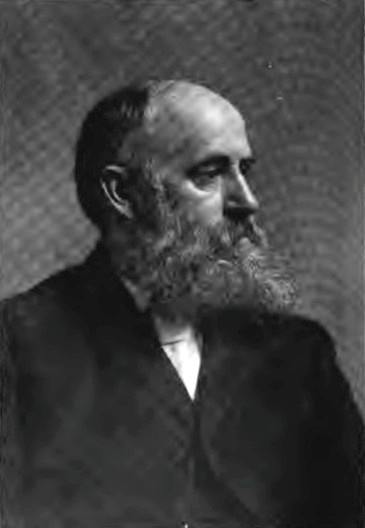
William P. Upham was an American author and historian, best known for his work on the Salem witch trials. His most notable publication, 'House of John Procter, Witchcraft Martyr, 1692', delves into the life of John Proctor, a key figure in the infamous trials. Upham's writing is characterized by a meticulous approach to historical detail, reflecting his deep interest in the events surrounding the witch hunts in colonial Massachusetts. Through his exploration of Proctor's life, Upham not only illuminated the personal tragedies of those accused but also critiqued the broader societal implications of the witch trials, emphasizing themes of injustice and moral panic. Upham's contributions to historical literature extend beyond mere storytelling; he sought to provide a nuanced understanding of a dark chapter in American history. His work has been influential in shaping the narrative around the Salem witch trials, encouraging subsequent historians and writers to examine the complexities of fear, superstition, and the human condition. Upham's legacy endures as a significant voice in the discourse on witchcraft and its historical ramifications, marking him as an important figure in the study of early American history.
Books from the author

Link to this page
Add a free, dofollow link to Lex on your blog, forum, syllabus, or reading list.

<a href="https://lex-books.com/author/william-p-upham"><img src="https://lex-books.com/badges/read-on-lex.svg" alt="William P. Upham on Lex" width="160" height="40"></a>[](https://lex-books.com/author/william-p-upham)[url=https://lex-books.com/author/william-p-upham][img]https://lex-books.com/badges/read-on-lex.svg[/img][/url]William P. Upham on Lex: https://lex-books.com/author/william-p-upham