
William Johnson Galloway
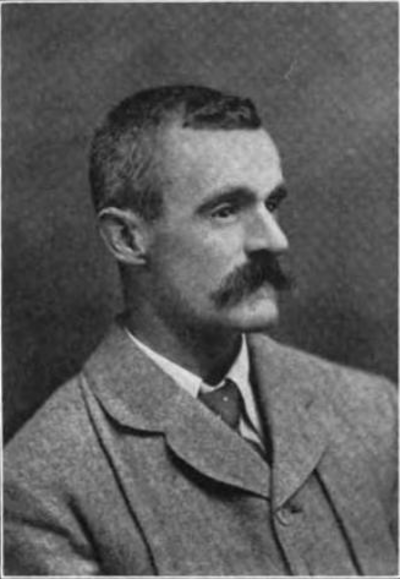
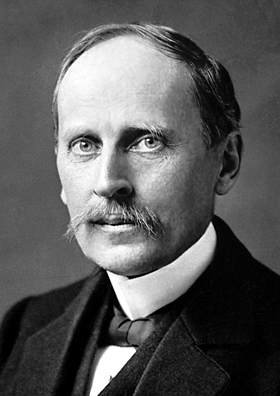
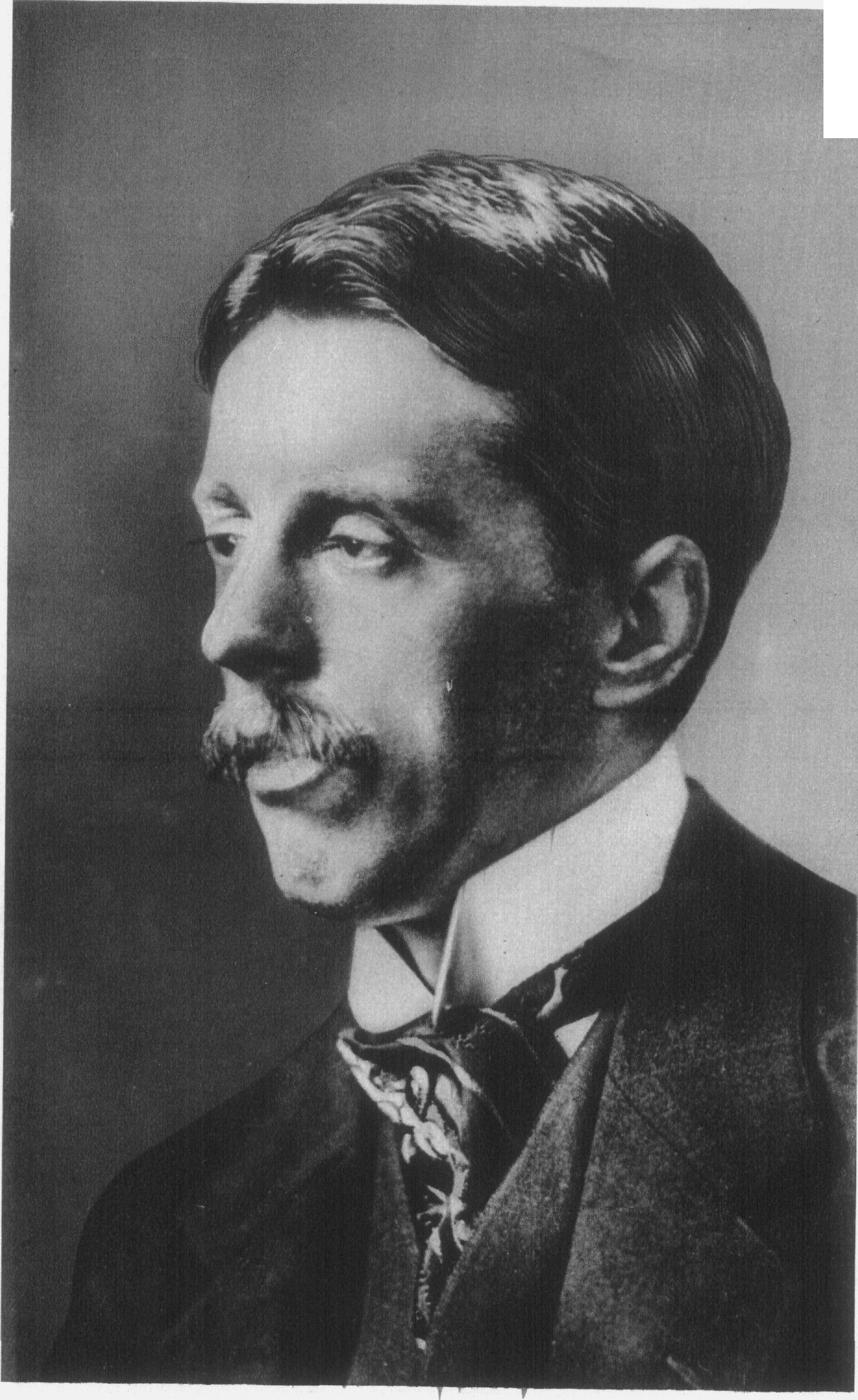
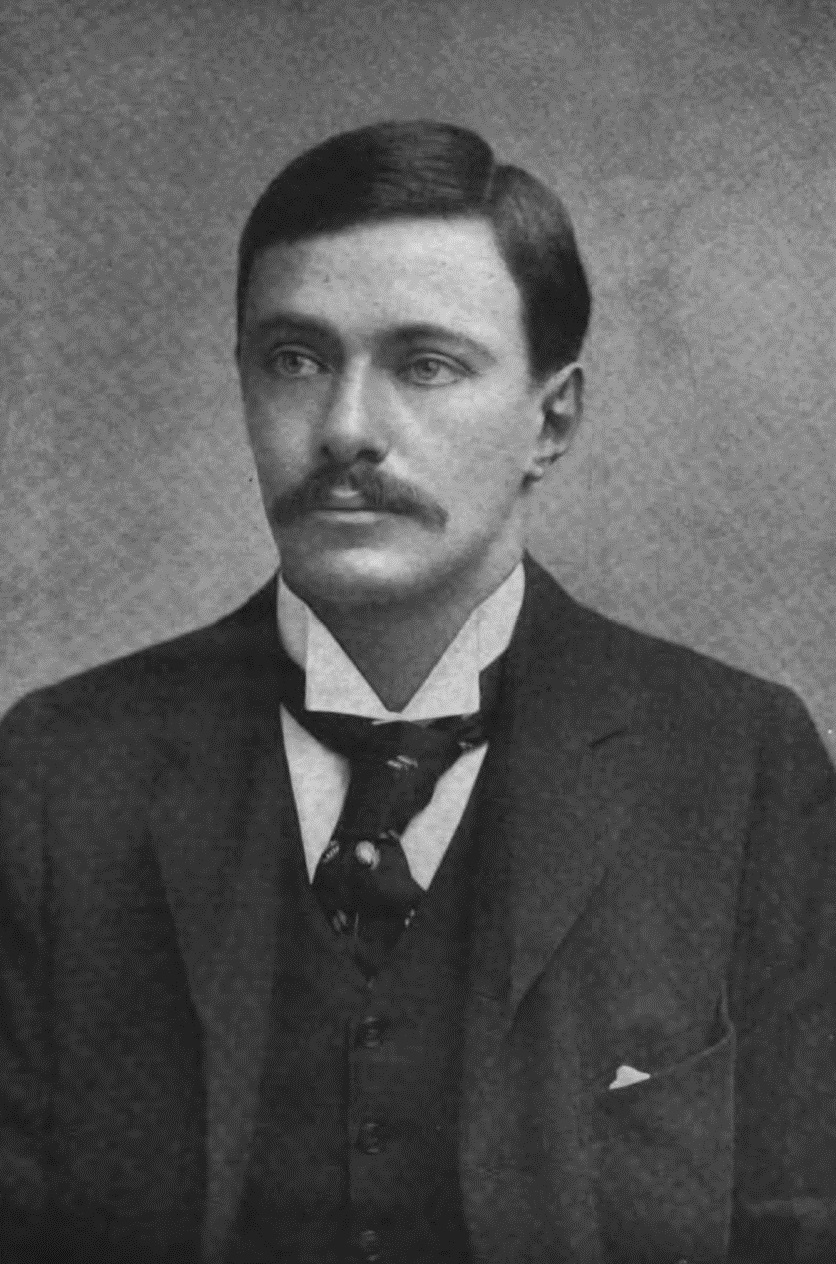
William Johnson Galloway was a British businessman and Conservative politician known for his role in early 20th-century British politics. Born in Sale, Cheshire, he received his education at Wellington College and Trinity Hall, Cambridge. Galloway became a partner in W & J Galloway & Sons, a firm specializing in engineering and boiler making, which established his prominence in the Manchester business community. His political career began with an unsuccessful bid for the Conservative Party in the 1892 general election for the Rugby Division of Warwickshire, but he achieved success in 1895 when he was elected as the Member of Parliament for Manchester South West. He served in this capacity until 1906, when he was defeated by a Labour Party candidate, marking a significant shift in the political landscape of the time. Galloway's tenure in Parliament was marked by the challenges of a rapidly changing society, as the Labour Party began to gain traction among the working class. His contributions to the Conservative Party and his business acumen reflected the intersection of commerce and politics during a transformative era in Britain. Although he did not return to Parliament after his defeat, Galloway's involvement in politics during this period highlights the complexities of British governance and the evolving dynamics between the major political parties. His legacy lies in his representation of Conservative interests in a time when the Labour movement was gaining momentum, illustrating the shifting allegiances and ideologies that characterized early 20th-century Britain.
Books from the author




Link to this page
Add a free, dofollow link to Lex on your blog, forum, syllabus, or reading list.

<a href="https://lex-books.com/author/william-johnson-galloway"><img src="https://lex-books.com/badges/read-on-lex.svg" alt="William Johnson Galloway on Lex" width="160" height="40"></a>[](https://lex-books.com/author/william-johnson-galloway)[url=https://lex-books.com/author/william-johnson-galloway][img]https://lex-books.com/badges/read-on-lex.svg[/img][/url]William Johnson Galloway on Lex: https://lex-books.com/author/william-johnson-galloway