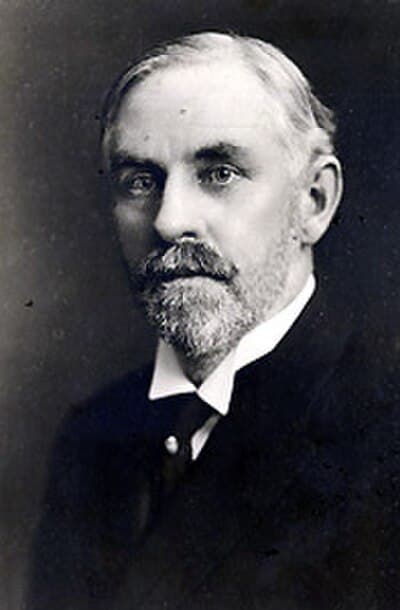
William E. Barton
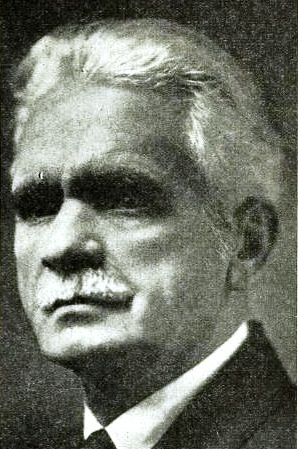
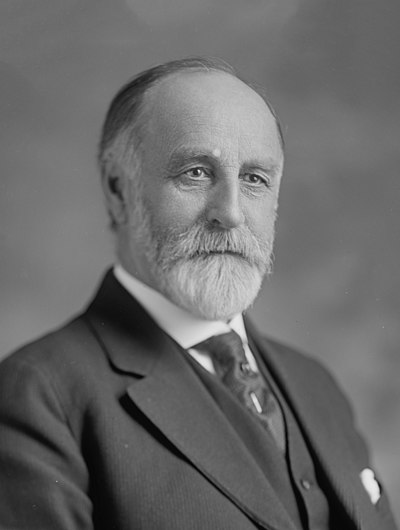
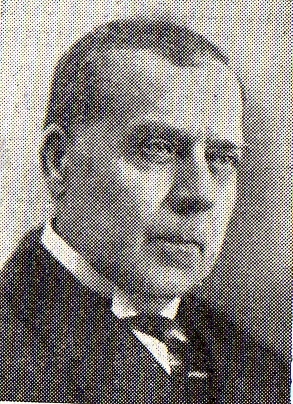
William E. Barton was an American author, theologian, and historian known for his extensive writings on religion and American history. Born in 1861, he became a prominent figure in the early 20th century, contributing significantly to the discourse surrounding the intersection of faith and public life. Barton was particularly noted for his work on the role of religion in American history, with his most influential book, "The Life of Abraham Lincoln," providing a detailed examination of the 16th president's religious beliefs and their impact on his leadership. This work, along with others, showcased Barton's commitment to exploring the moral and ethical dimensions of historical figures, making him a key voice in the field of religious history. In addition to his historical writings, Barton was an advocate for the social gospel movement, which sought to apply Christian ethics to social problems. His efforts in this area reflected a broader trend in American thought during his time, where religion was increasingly seen as a catalyst for social change. Barton's legacy is marked by his ability to weave together narratives of faith and history, influencing both religious scholarship and popular understanding of historical figures. His work remains significant for those studying the interplay between religion and American identity in the late 19th and early 20th centuries.
Books from the author





Link to this page
Add a free, dofollow link to Lex on your blog, forum, syllabus, or reading list.

<a href="https://lex-books.com/author/william-e-barton"><img src="https://lex-books.com/badges/read-on-lex.svg" alt="William E. Barton on Lex" width="160" height="40"></a>[](https://lex-books.com/author/william-e-barton)[url=https://lex-books.com/author/william-e-barton][img]https://lex-books.com/badges/read-on-lex.svg[/img][/url]William E. Barton on Lex: https://lex-books.com/author/william-e-barton