Lex

Browse

GenresShelvesPremiumBlog

Company

AboutJobsPartnersSell on LexAffiliates

Audio

Lex StudioVoicesFirst chapter freeAudiobook pricingAudiobook samplesAudiobook guidesAudio blog

Resources

DocsInvite FriendsFAQ

Legal

Terms of ServicePrivacy Policygeneral@lex-books.com+1 951-551-2243WhatsApp (international)

© 2026 LexBooks, Inc. All rights reserved.

William Duane

William Duane

William Duane was an American author and military scholar known for his contributions to military literature and education in the early 19th century. His most notable work, 'A Military Dictionary,' served as a comprehensive guide for military personnel, detailing various systems of discipline for different types of troops, including infantry, artillery, and cavalry. This work was particularly significant for its inclusion of modern improvements in tactics and fortification principles, making it a valuable resource for the military institutions of the United States during a time of burgeoning national identity and military organization. In addition to his military dictionary, Duane authored 'An Epitome of the Arts and Sciences,' which aimed to provide a broad overview of essential knowledge across various disciplines. His writings reflect a commitment to the dissemination of military and scientific knowledge, highlighting the importance of education in the formation of a competent military force. Duane's contributions to military literature not only served the practical needs of his time but also laid the groundwork for future military education and training, marking him as a significant figure in the development of American military thought.

Famous Quotes

View all 3 quotes

“Photography is essentially an act of recognition by street photographers, not an act of invention. Photographers might respond to an old man’s face, or an Arbus freak, or the way light hits a building”

“While this signifier can be difficult to pin down with precision, it can clearly be heard in the records of Duane Eddy and many other guitarists of the period. It usually involves a relatively nondistorted electric guitar timbre articulated with a strong attack and a melody played on the lower strings. Reverberation is ubiquitous, and almost equally common were echo, amplifier tremolo, and use of the guitar’s vibrato bar. This overall guitar sound is often called a Fender sound, but that is a bit misleading, since Gretsch guitars were equally specialized for the purpose, and many other brands were also used. What makes the twang guitar interesting in topical terms is that it not only signified the western topic but also was key to a linked set of genres that intersect one another in complex ways: western, spy, and surf. Because these were all signified by overlapping musical features and in turn resemble one another in some of their broader connotations, we could speak of a twang guitar continuum: a range of topics that coalesced only shortly before psychedelia and were cognate with it in a variety of ways. Philip Tagg and Bob Clarida point out that the twang guitar, often in a minor mode with a flat seventh, was a common factor between spaghetti western and Bond/spy scores in the late 1950s and early 1960s. I would add surf guitar to the list, with its sonic experimentation and general relationship to fun, escape, and exoticism: “[The twang guitar] probably owes some of its immediate success as a spy sound to its similarity with various pre-rock ‘Viennese intrigue’ sounds like Anton Karas’s Third Man zither licks (1949). But in the 1962–64 period that produced The Virginian (1962), Dr. No (1963) and Leone’s A Fistful of Dollars (1964), steely Fender guitar was well on its way to becoming an all-purpose excitement/adventure timbre” (Tagg and Clarida 2003, 367).””

Psychedelic Popular Music: A History through Musical Topic Theory

“Any questions?” Duane piped up. “I guess it’s too late to ask how I get out of this chickenshit outfit?””

The Abyssal Plain: The R'lyeh Cycle

Books from the author

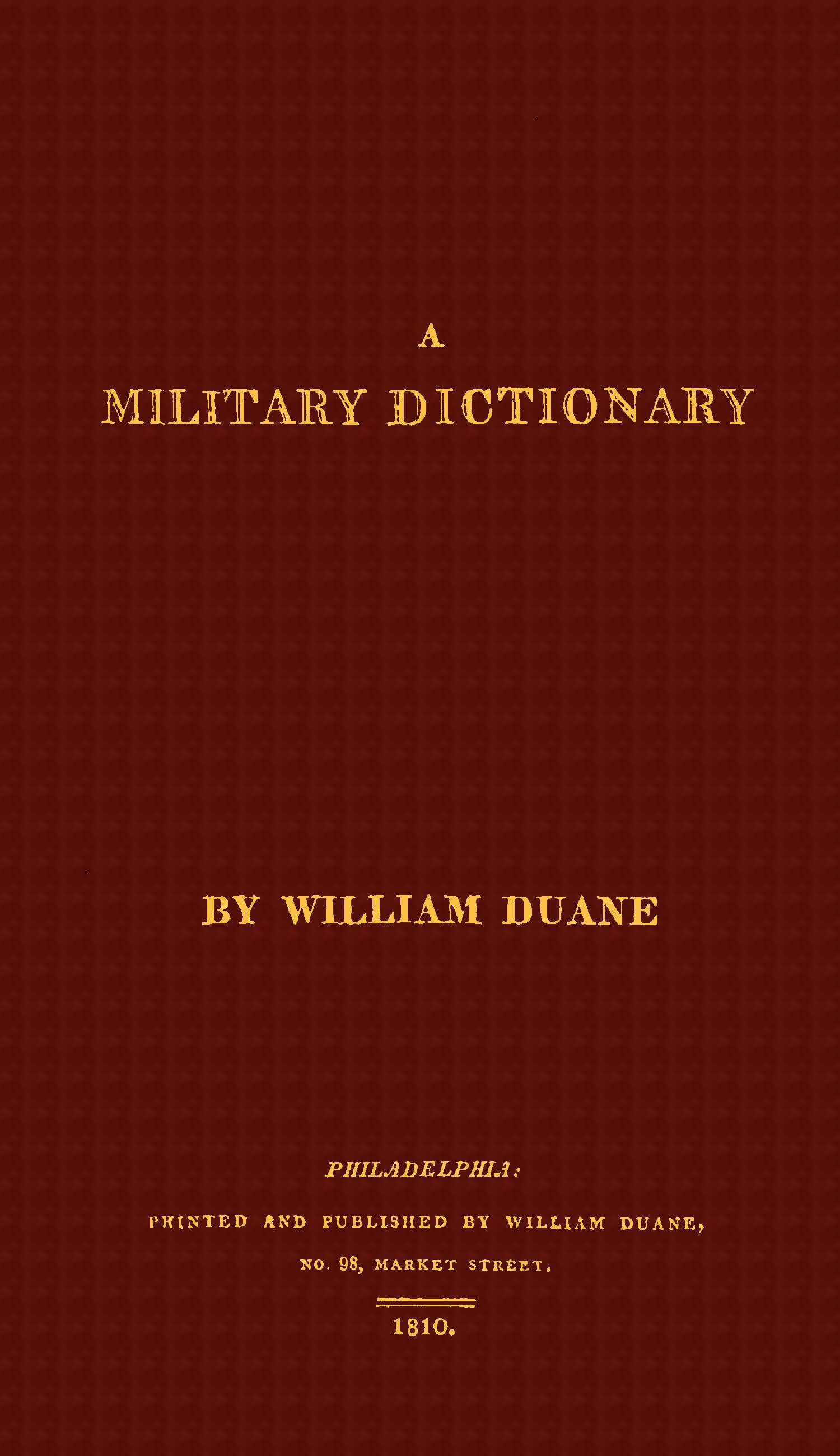
A MilitaryDictionary:Or,Explanati...

William Duane

A Military Dictionary: Or, Explanation of the Several Systems of Discipline of Different Kinds of Troops, Infantry, Artillery, and Cavalry: The Principles of Fortification, and All the Modern Improvements in the Science of Tactics: Comprising the Pocket Gunner, or Little Bombardier, the Military Regulations of the United States: The Weights, Measures,  and Monies of All Nations: The Technical Terms and Phrases of the Art of War in the  French Language: Particularly Adapted to the Use of the Military Institutions of the United States

More authors like this

right arrow
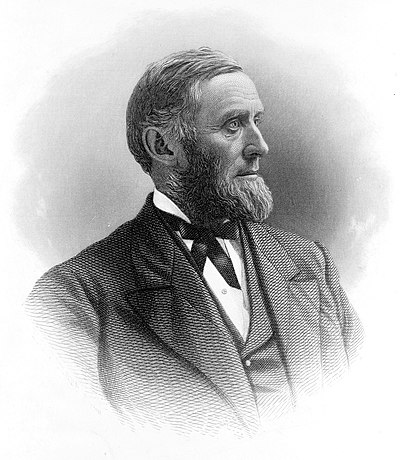
J. Jay Smith
1798-1881
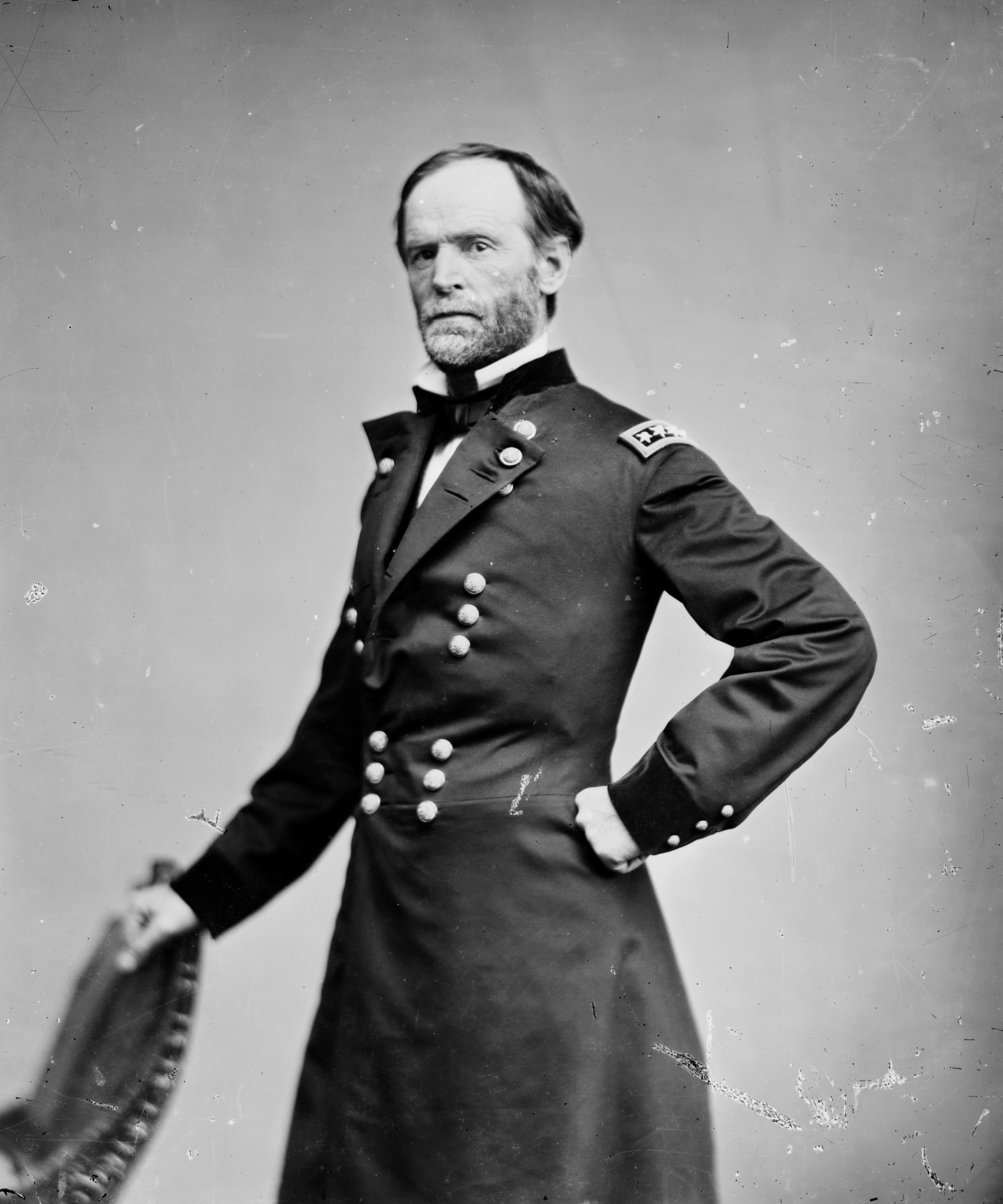
William T. Sherman
William T. Sherman
1820-1891
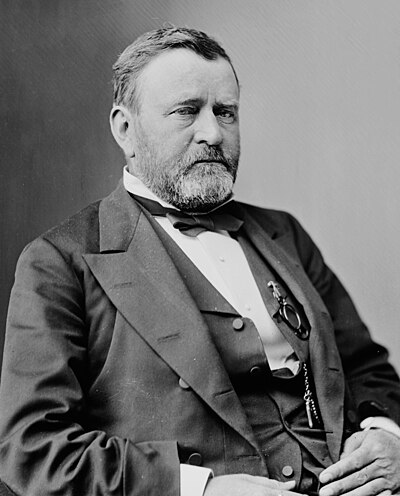
Ulysses S. Grant
Ulysses S. Grant
1822-1885
Charles Carleton Coffin
1823-1896
John Alexander Logan
1826-1886
Philip Henry Sheridan
1831-1888
John Marshall
John Marshall
1755-1835
Carlo Botta
Carlo Botta
1766-1837
Samuel Adams Drake
Samuel Adams Drake
1833-1905
Henry Adams
Henry Adams
1838-1918
J.-C.-L. Simonde de Sismondi
1773-1842
A. T. Mahan
A. T. Mahan
1840-1914
Rossiter Johnson
Rossiter Johnson
1840-1931
Robert Southey
Robert Southey
1774-1843
William Curtis
William Curtis
1746-1799
Thomas Jefferson
Thomas Jefferson
1743-1826

Link to this page

Add a free, dofollow link to Lex on your blog, forum, syllabus, or reading list.

William Duane on Lex
HTML
<a href="https://lex-books.com/author/william-duane"><img src="https://lex-books.com/badges/read-on-lex.svg" alt="William Duane on Lex" width="160" height="40"></a>
Markdown
[![William Duane on Lex](https://lex-books.com/badges/read-on-lex.svg)](https://lex-books.com/author/william-duane)
BBCode
[url=https://lex-books.com/author/william-duane][img]https://lex-books.com/badges/read-on-lex.svg[/img][/url]
Plain link
William Duane on Lex: https://lex-books.com/author/william-duane