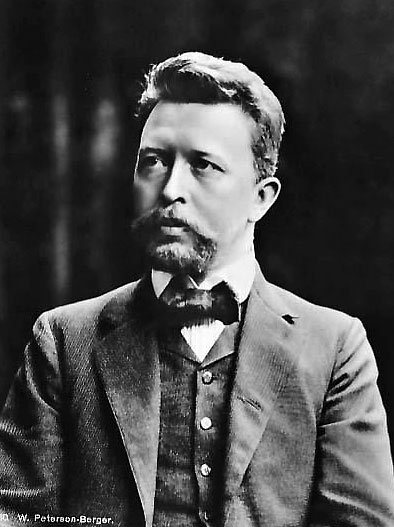
Wilhelm Peterson-Berger
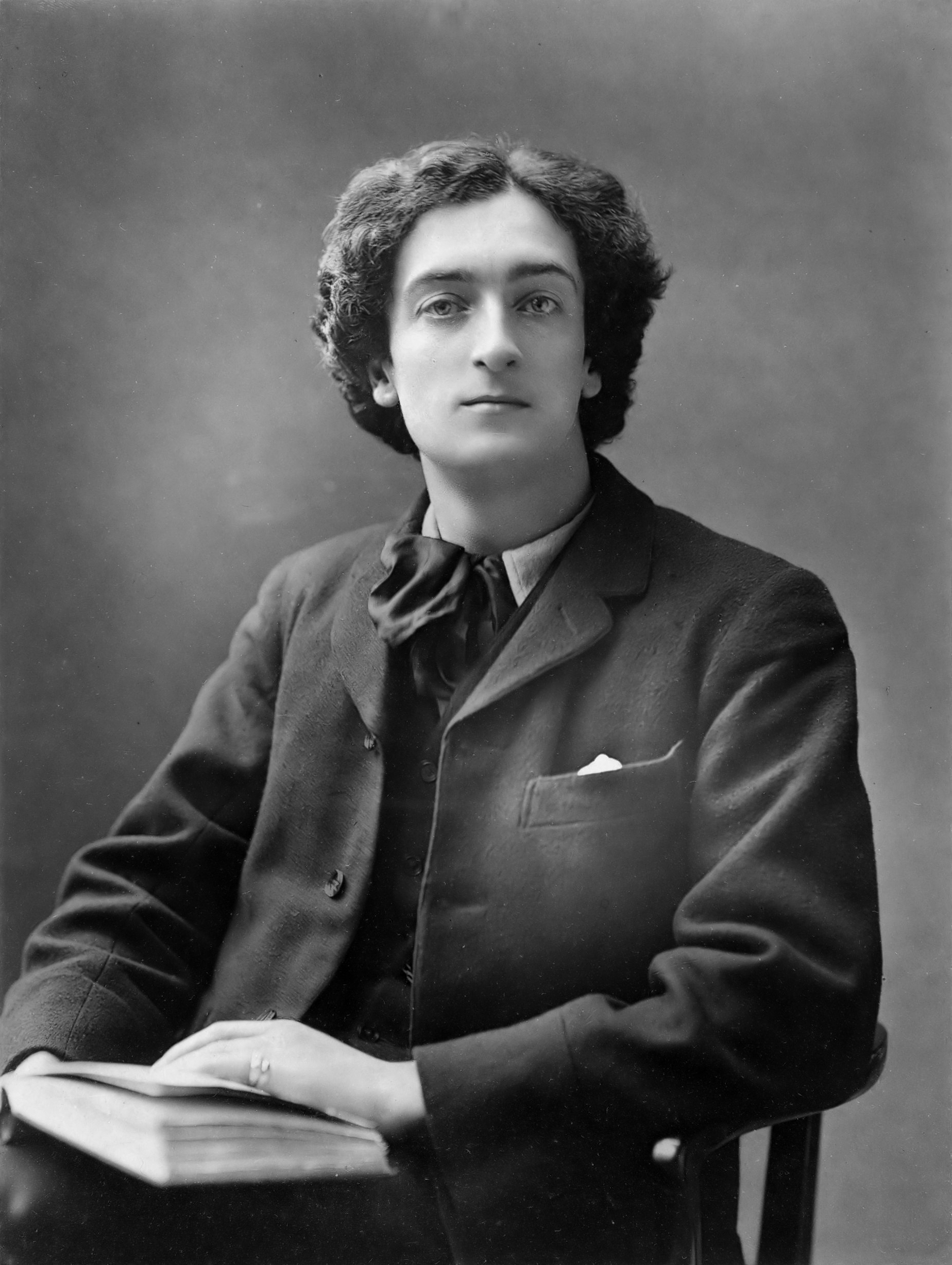
Wilhelm Peterson-Berger was a prominent Swedish composer and music critic, known for his significant contributions to the development of Swedish music in the early 20th century. Born in 1867, he was heavily influenced by the works of Edvard Grieg, August Söderman, and Richard Wagner, as well as the rich traditions of Swedish folk music. His compositions often blended these influences, resulting in a unique style that celebrated both national identity and innovative musical forms. Among his notable works are the orchestral suite 'Frösöblomster' and various piano pieces that reflect his deep connection to the landscapes and folklore of Sweden. In addition to his compositions, Peterson-Berger was an influential music critic, advocating for the recognition of Swedish music and composers. His writings helped to elevate the status of Swedish music on the international stage, and he played a crucial role in the cultural life of Sweden during his lifetime. Peterson-Berger's legacy endures through his music, which continues to be performed and appreciated, as well as through his contributions to music criticism that shaped the discourse around Swedish musical identity in the 20th century.
Books from the author





Link to this page
Add a free, dofollow link to Lex on your blog, forum, syllabus, or reading list.

<a href="https://lex-books.com/author/wilhelm-peterson-berger"><img src="https://lex-books.com/badges/read-on-lex.svg" alt="Wilhelm Peterson-Berger on Lex" width="160" height="40"></a>[](https://lex-books.com/author/wilhelm-peterson-berger)[url=https://lex-books.com/author/wilhelm-peterson-berger][img]https://lex-books.com/badges/read-on-lex.svg[/img][/url]Wilhelm Peterson-Berger on Lex: https://lex-books.com/author/wilhelm-peterson-berger