W. Trotter
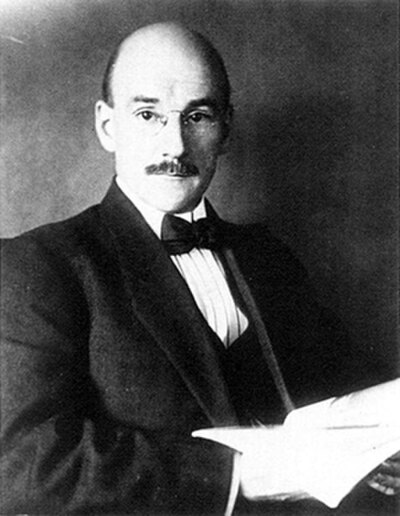
W. Trotter was a British psychologist and author, best known for his influential work, "Instincts of the Herd in Peace and War." In this seminal book, published in 1916, Trotter explored the psychological underpinnings of group behavior, particularly in the context of war and societal dynamics. He argued that human instincts are deeply rooted in herd behavior, which can lead to both constructive and destructive outcomes in society. Trotter's insights into the collective psyche were groundbreaking, as they provided a framework for understanding the motivations behind mass movements and the psychological factors that drive individuals to act in concert with others. Trotter's work was significant not only for its psychological analysis but also for its implications in sociology and political science. His exploration of the herd instinct offered a lens through which to view the tumultuous events of his time, including the First World War and the rise of mass political movements. By examining how individuals conform to group norms, Trotter contributed to a deeper understanding of social behavior and its impact on history. His legacy endures in the fields of psychology and sociology, where his theories continue to inform discussions about group dynamics and collective behavior.
Books from the author





Link to this page
Add a free, dofollow link to Lex on your blog, forum, syllabus, or reading list.

<a href="https://lex-books.com/author/w-trotter"><img src="https://lex-books.com/badges/read-on-lex.svg" alt="W. Trotter on Lex" width="160" height="40"></a>[](https://lex-books.com/author/w-trotter)[url=https://lex-books.com/author/w-trotter][img]https://lex-books.com/badges/read-on-lex.svg[/img][/url]W. Trotter on Lex: https://lex-books.com/author/w-trotter