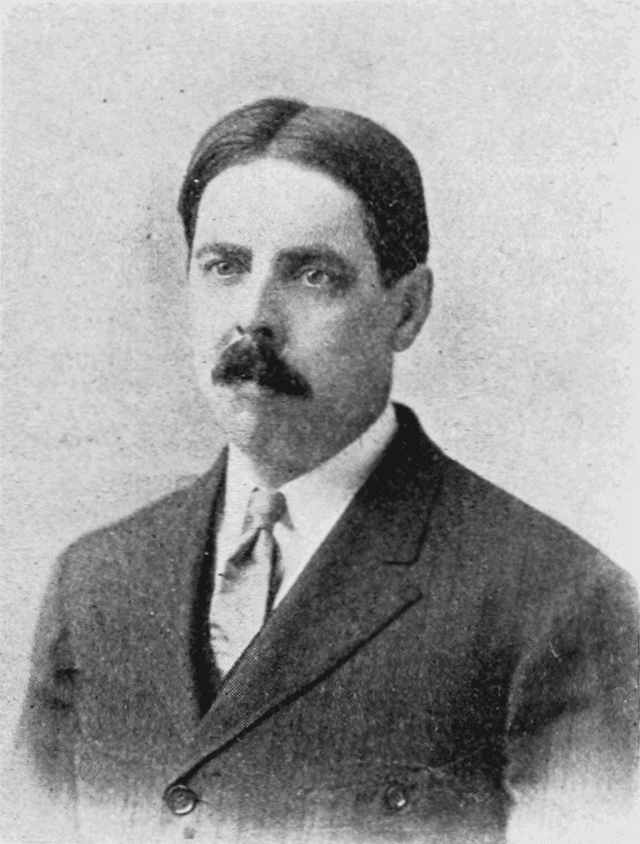
Edward L. Thorndike
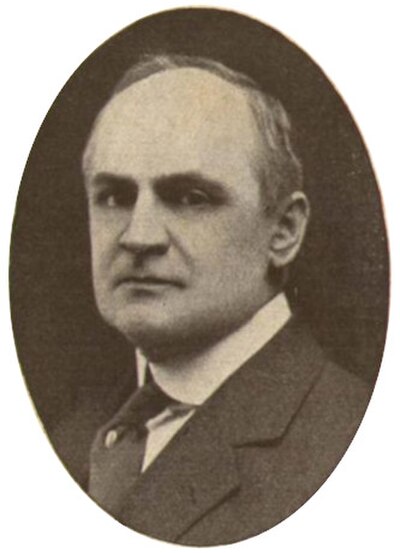
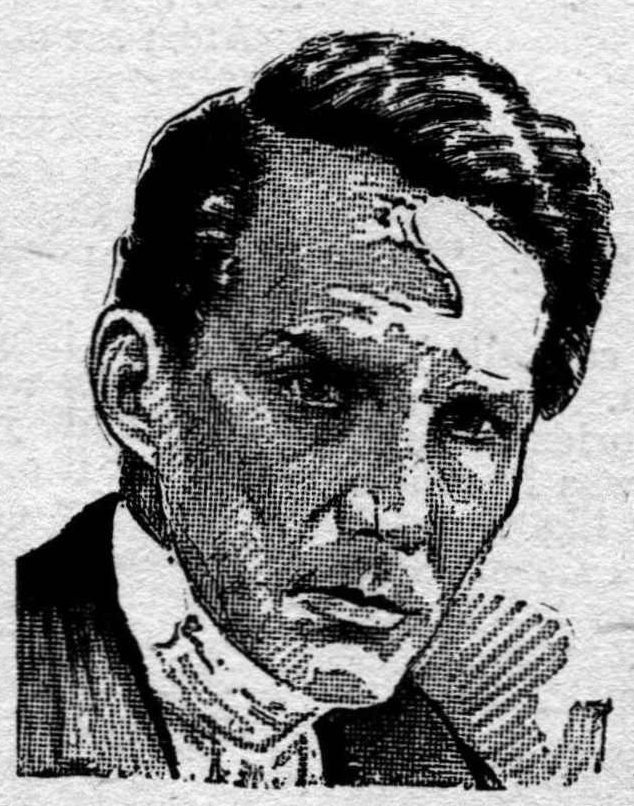
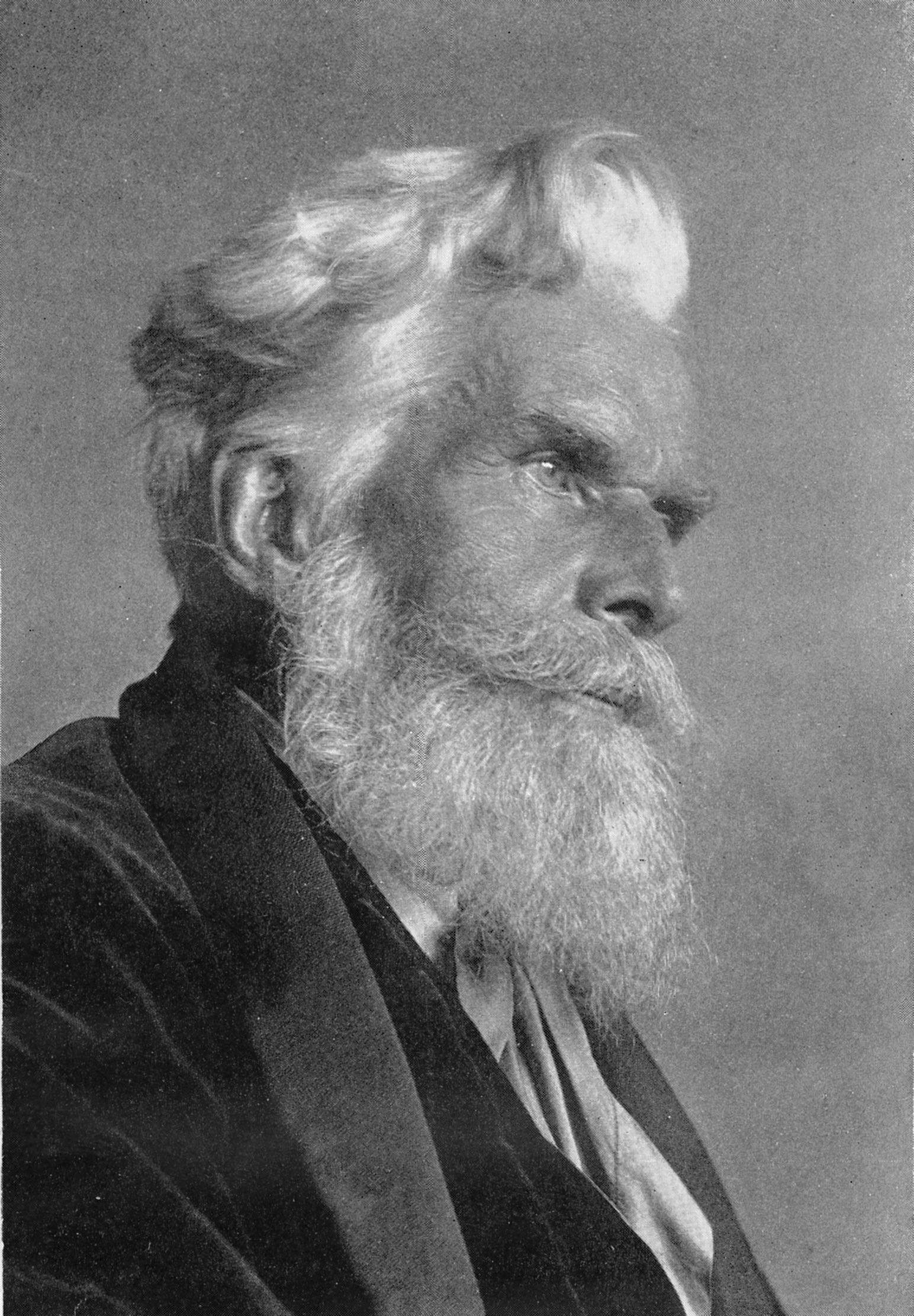
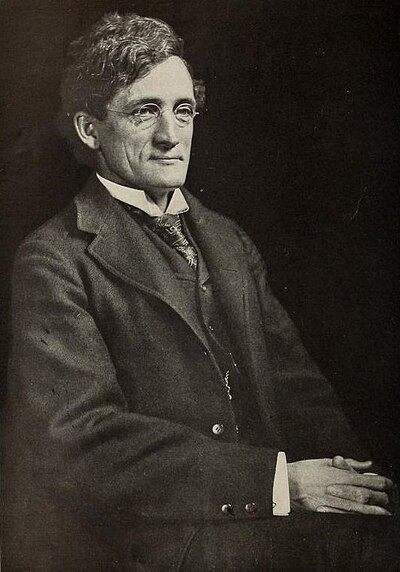
Edward L. Thorndike was an influential American psychologist and educator, best known for his work in the field of learning theory and educational psychology. Born in 1874, Thorndike's early academic pursuits led him to Columbia University, where he developed his groundbreaking theories on animal behavior and learning processes. His experiments with cats in puzzle boxes laid the foundation for what would become known as the Law of Effect, which posited that responses followed by satisfying outcomes are more likely to be repeated. This principle not only transformed the understanding of animal learning but also had profound implications for human education and behavior modification. Thorndike's contributions extended beyond his research; he authored numerous influential works, including "Animal Intelligence" and "Educational Psychology," which emphasized the importance of empirical research in education. His advocacy for the scientific approach to teaching and learning helped shape modern educational practices. Thorndike's legacy is evident in the fields of psychology and education, where his theories continue to inform instructional methods and assessment practices. His pioneering work laid the groundwork for behaviorism and the systematic study of learning, making him a key figure in the evolution of psychological science and educational reform.
Famous Quotes
View all 1 quotes“...chuck-full of error, masturbation and Jesus.””
Books from the author








Link to this page
Add a free, dofollow link to Lex on your blog, forum, syllabus, or reading list.

<a href="https://lex-books.com/author/edward-l-thorndike"><img src="https://lex-books.com/badges/read-on-lex.svg" alt="Edward L. Thorndike on Lex" width="160" height="40"></a>[](https://lex-books.com/author/edward-l-thorndike)[url=https://lex-books.com/author/edward-l-thorndike][img]https://lex-books.com/badges/read-on-lex.svg[/img][/url]Edward L. Thorndike on Lex: https://lex-books.com/author/edward-l-thorndike