Erwin Baur
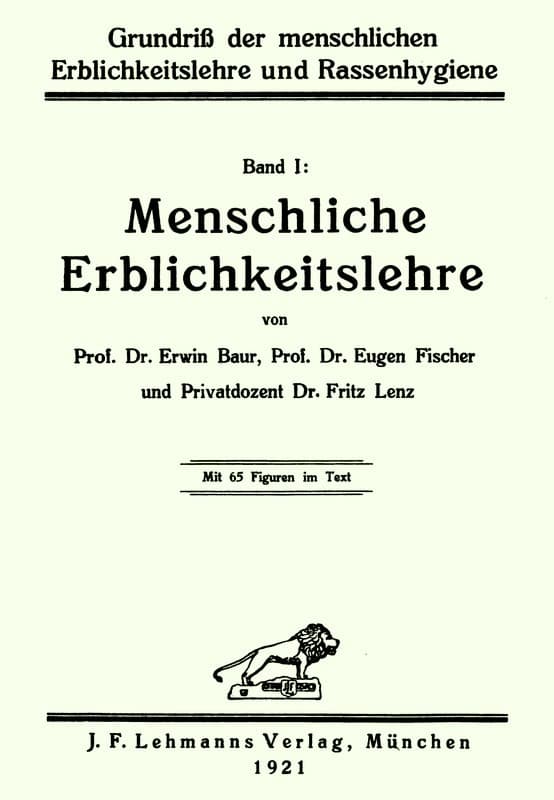
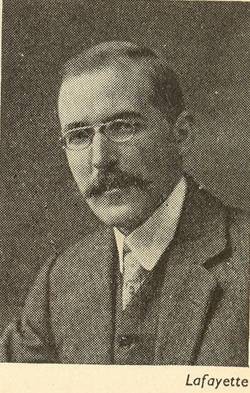
Erwin Baur was a pioneering German geneticist and botanist, recognized as a foundational figure in the field of plant virology. Born in Ichenheim, Grand Duchy of Baden, he dedicated his career to exploring the complexities of plant genetics, ultimately serving as the director of the Kaiser Wilhelm Institute for Breeding Research. His groundbreaking work included the discovery of plastid inheritance, which significantly advanced the understanding of genetic transmission in plants. In 1908, Baur made headlines by demonstrating a lethal gene in the Antirrhinum plant, and the following year, he challenged established genetic principles by showing that chloroplast genes in Pelargonium violated several of Mendel's laws of inheritance. Baur's contributions to genetics were not only innovative but also controversial, as they prompted a reevaluation of Mendelian genetics in light of his findings. His research laid the groundwork for future studies in plant genetics and virology, influencing the direction of botanical research for decades to come. After his passing in 1933, Baur's legacy continued through the Erwin Baur Institute, which honors his significant impact on the field and the ongoing exploration of genetic inheritance in plants.
Books from the author





Link to this page
Add a free, dofollow link to Lex on your blog, forum, syllabus, or reading list.

<a href="https://lex-books.com/author/erwin-baur"><img src="https://lex-books.com/badges/read-on-lex.svg" alt="Erwin Baur on Lex" width="160" height="40"></a>[](https://lex-books.com/author/erwin-baur)[url=https://lex-books.com/author/erwin-baur][img]https://lex-books.com/badges/read-on-lex.svg[/img][/url]Erwin Baur on Lex: https://lex-books.com/author/erwin-baur