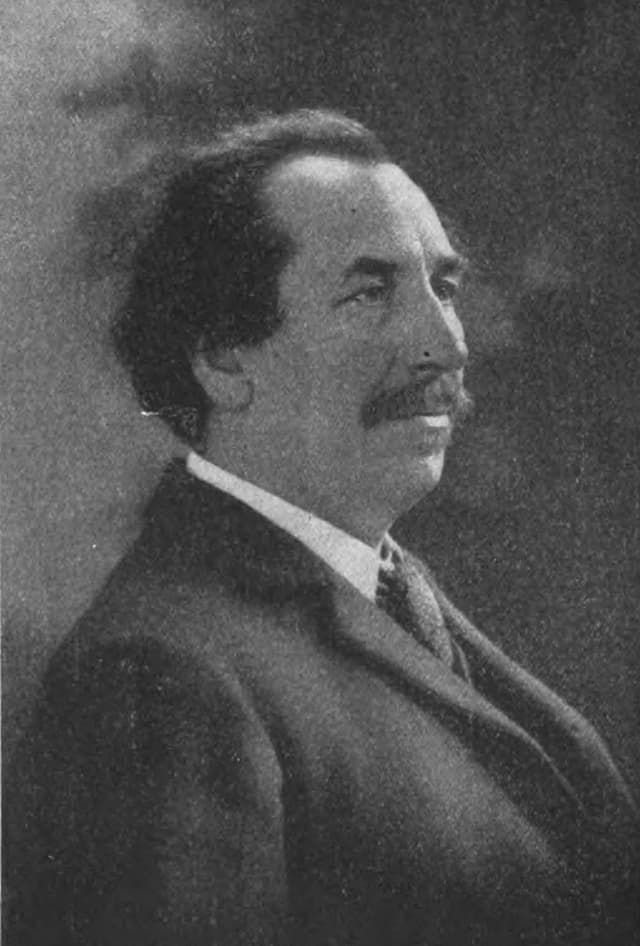
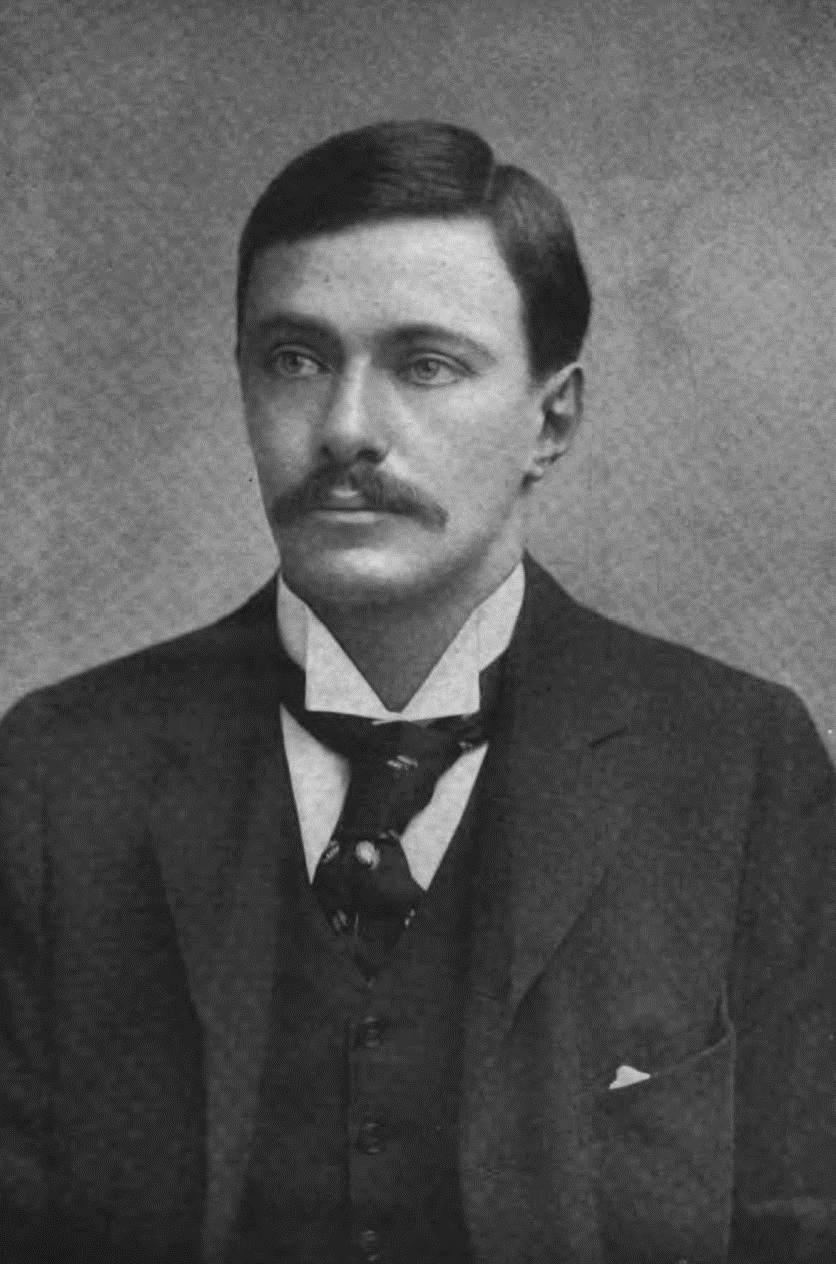
W. J. Dawson
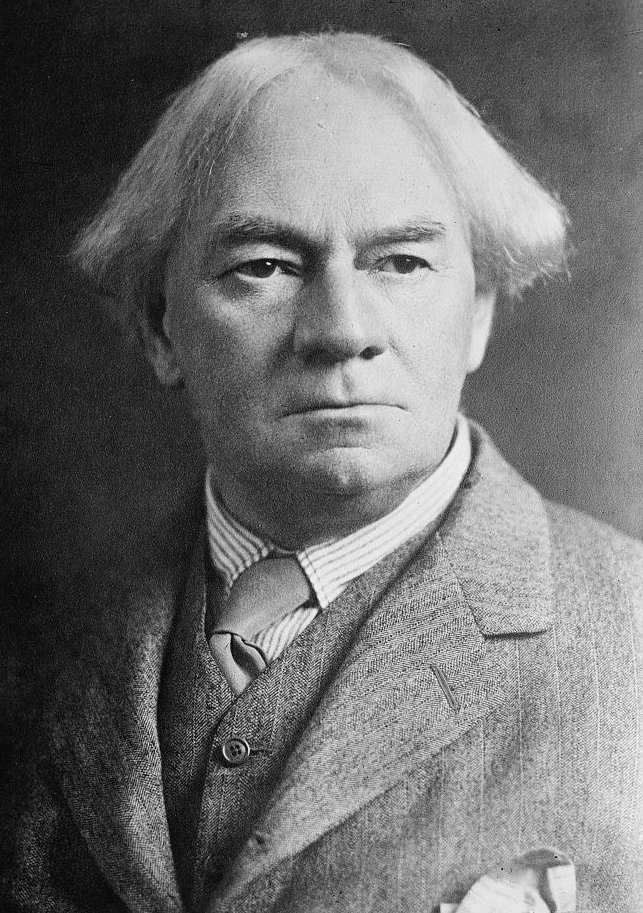
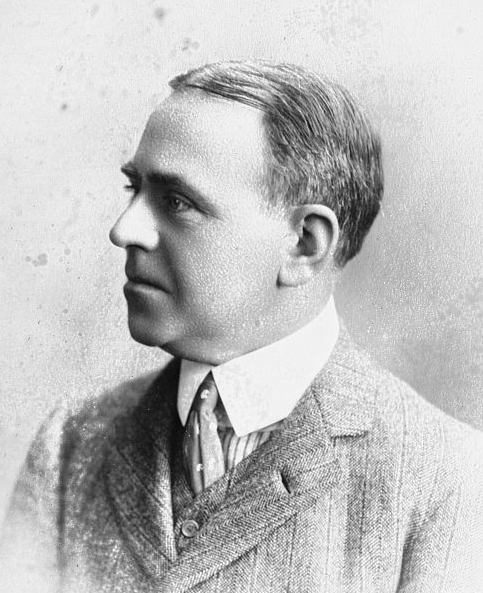
W. J. Dawson was a British author and journalist known for his contributions to literature in the late 19th and early 20th centuries. Born in 1854, he began his career as a journalist, which greatly influenced his writing style and thematic choices. Dawson's works often explored the complexities of human experience, morality, and the social issues of his time. He gained recognition for his novels, essays, and biographies, with notable works including 'The Story of the British Isles' and 'The Life of Sir William Osler'. His writing was characterized by a blend of narrative depth and social commentary, reflecting the changing landscape of British society during his lifetime. Dawson's literary significance lies in his ability to capture the zeitgeist of his era, addressing themes of identity, faith, and the human condition. His works not only entertained but also provoked thought and discussion among readers, making him a prominent figure in the literary circles of his time. His legacy endures through his contributions to both fiction and non-fiction, as he paved the way for future writers to engage with social issues through a literary lens. Dawson passed away in 1928, leaving behind a body of work that continues to be studied for its insight into the human experience and the societal challenges of his time.
Famous Quotes
View all 6 quotes“A certain faculty for arithmetic represents a man who has many higher faculties; and thus the man is forced to live by one capacity which is perhaps his least worthy and significant. This is not the case in what we call the liberal professions and the arts. The architect, the barrister, the humblest journalist needs his whole mind for his task, and hence his work is a delight. The artist, if he be a true artist, does the one thing that he was born to do, and so ‘the hours pass away untold, without chagrin, and without weariness,’ nor would he wish them to pass otherwise.””
“In the life of the merest insect are toils as great, and vicissitudes as tragic, as in the most heroic human life, and to see so much is to attach a new dignity to all kinds of life. The bird building its nest is doing precisely the same thing as the man who builds his house, and with an equal skill of architecture. The flower, fighting for its life, is engaged in the same struggle as man, for whom every breath and pulse-beat is a victory over forces that threaten his destruction. The world is full of identities, each unmoved by the tremendous scale of its environment. Hence a new kind of neighbourship is possible, wider and more catholic than the neighbourship between man and man. Kinship, not in kindred, but in universal life, becomes possible. There is no sense of loneliness in a country life after that discovery is made.””
“Thoreau's defence when he was accused of not doing good was that it did not agree with his constitution; and although the defence sounds like a piece of amusing cynicism, it was in reality a plea entirely just. The common fault of the Good Earnest People, as of most people, is that they can only conceive of doing good after a pattern which is congenial to themselves. But their mode of doing good, while it suits themselves admirably, may not suit every constitution, and people of a quite different mental constitution may be quite as good as themselves, although it is after a very different pattern. Thoreau did a vast amount of good by showing men, in his own example, that the simplest kind of life was compatible with the highest intellectual aims; would he, in the long-run, have served the world half as well had he forced himself to live amid the squalor of a New York slum?””
Books from the author

Link to this page
Add a free, dofollow link to Lex on your blog, forum, syllabus, or reading list.

<a href="https://lex-books.com/author/w-j-dawson"><img src="https://lex-books.com/badges/read-on-lex.svg" alt="W. J. Dawson on Lex" width="160" height="40"></a>[](https://lex-books.com/author/w-j-dawson)[url=https://lex-books.com/author/w-j-dawson][img]https://lex-books.com/badges/read-on-lex.svg[/img][/url]W. J. Dawson on Lex: https://lex-books.com/author/w-j-dawson