Victor Mindeleff
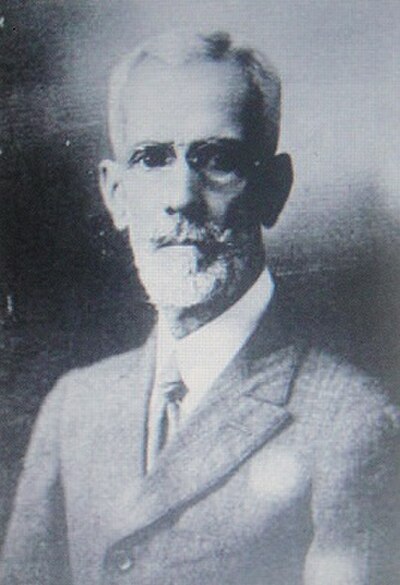
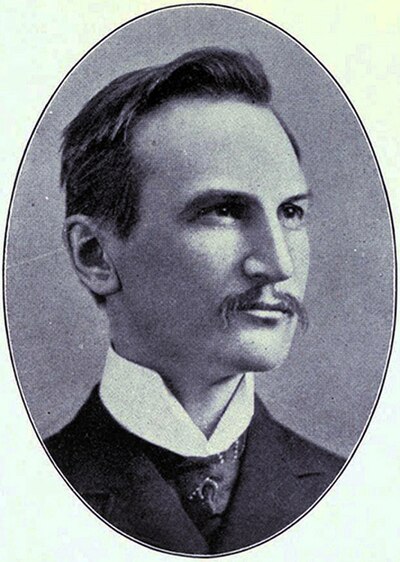
Victor Mindeleff was an influential American architect and anthropologist, best known for his pioneering work in the study of Native American architecture. Born in 1860, he dedicated much of his career to understanding the architectural practices of the Pueblo peoples of the American Southwest. His most notable work, 'A Study of Pueblo Architecture: Tusayan and Cibola,' published in 1891 as part of the Eighth Annual Report of the Bureau of Ethnology, provided a comprehensive analysis of the structures and cultural significance of Pueblo dwellings. This seminal study not only documented the architectural styles and construction techniques of the Pueblos but also emphasized the relationship between their environment and social organization. Mindeleff's contributions extended beyond architecture; he played a crucial role in the early development of anthropology in the United States. His meticulous fieldwork and detailed observations helped to elevate the understanding of Native American cultures during a time when such studies were often superficial. Through his writings, he advocated for the preservation of indigenous architectural heritage and underscored the importance of cultural context in the interpretation of architectural forms. His legacy endures in both the fields of anthropology and architecture, as he laid the groundwork for future studies of indigenous building practices and their cultural implications.
Books from the author


Link to this page
Add a free, dofollow link to Lex on your blog, forum, syllabus, or reading list.

<a href="https://lex-books.com/author/victor-mindeleff"><img src="https://lex-books.com/badges/read-on-lex.svg" alt="Victor Mindeleff on Lex" width="160" height="40"></a>[](https://lex-books.com/author/victor-mindeleff)[url=https://lex-books.com/author/victor-mindeleff][img]https://lex-books.com/badges/read-on-lex.svg[/img][/url]Victor Mindeleff on Lex: https://lex-books.com/author/victor-mindeleff