Theodore Canot
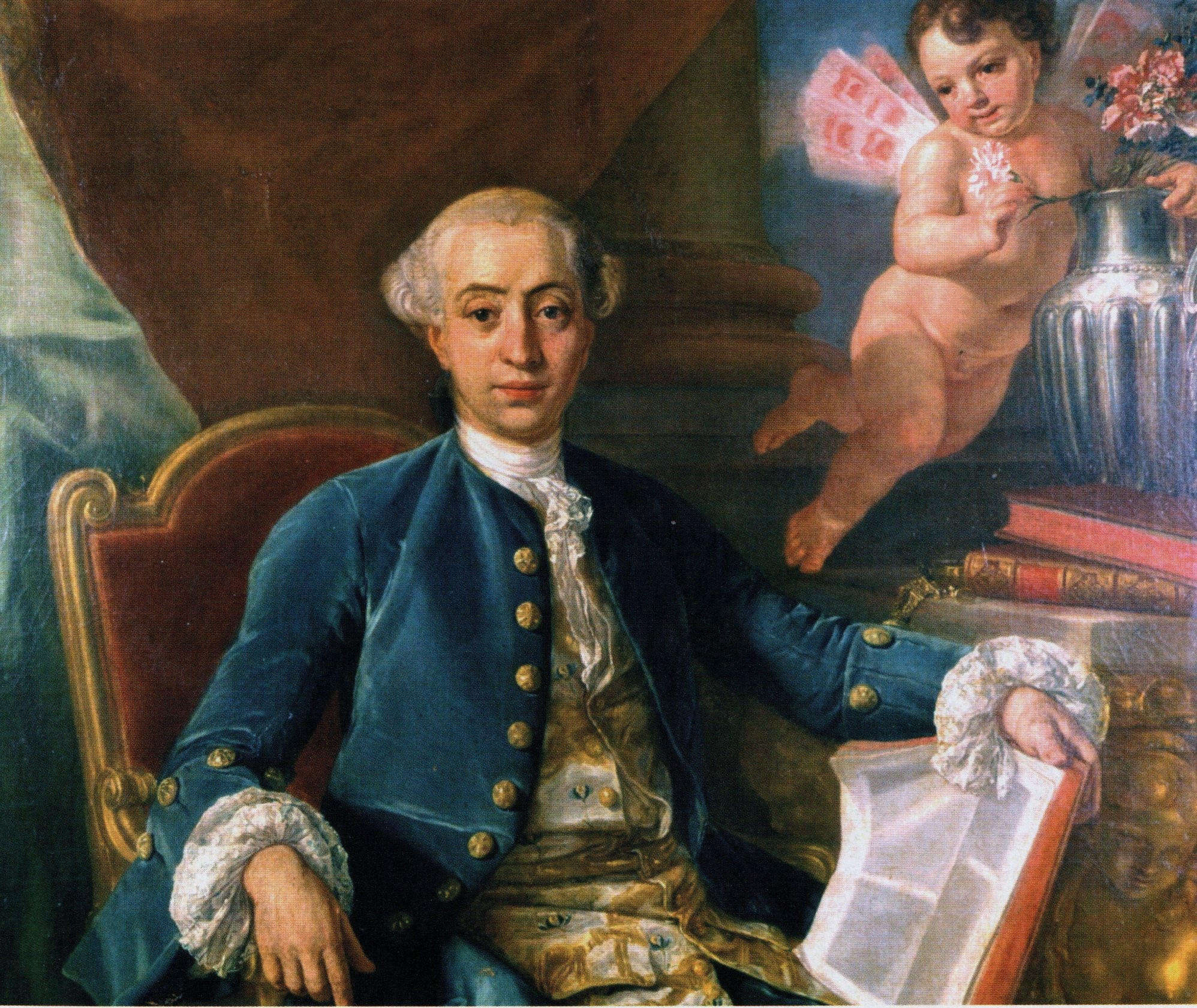
Théodore Canot was a notable figure in the 19th century, known for his dual role as a slave trader and a writer. Originally from Florence, he left for America in 1819 and soon became one of the most significant slave traders operating between Cuba and the West African coasts, including Guinea, Liberia, and Sierra Leone. His experiences in the perilous world of the slave trade, marked by encounters with piracy and the harsh realities of the slave experience, provided him with a wealth of material that he later transformed into literary works. Canot's narratives often detailed the dangers of his profession, including clashes with British naval forces, slave rebellions, and the treacherous conditions of the sea, reflecting the tumultuous era in which he lived. In addition to his trading activities, Canot's writings contributed to the discourse surrounding the slave trade. His most notable work, 'The Slave Trade,' offered a firsthand account of the brutal realities faced by enslaved individuals and the moral complexities of the trade. Through his vivid storytelling and keen observations, Canot not only chronicled his personal experiences but also highlighted the broader implications of slavery, making his work significant in the context of 19th-century literature. His legacy remains intertwined with the historical narrative of the slave trade, serving as a reminder of the human cost of commerce and the enduring impact of slavery on society.
Books from the author



Link to this page
Add a free, dofollow link to Lex on your blog, forum, syllabus, or reading list.

<a href="https://lex-books.com/author/theodore-canot"><img src="https://lex-books.com/badges/read-on-lex.svg" alt="Theodore Canot on Lex" width="160" height="40"></a>[](https://lex-books.com/author/theodore-canot)[url=https://lex-books.com/author/theodore-canot][img]https://lex-books.com/badges/read-on-lex.svg[/img][/url]Theodore Canot on Lex: https://lex-books.com/author/theodore-canot