Lex

Browse

GenresShelvesPremiumBlog

Company

AboutJobsPartnersSell on LexAffiliates

Audio

Lex StudioVoicesFirst chapter freeAudiobook pricingAudiobook samplesAudiobook guidesAudio blog

Resources

DocsInvite FriendsFAQ

Legal

Terms of ServicePrivacy Policygeneral@lex-books.com+1 951-551-2243WhatsApp (international)

© 2026 LexBooks, Inc. All rights reserved.

T. J. Flanagan

T. J. Flanagan was a prominent landscape painter and educator from Northern Ireland, known for his evocative depictions of the Irish countryside. His artistic journey began in the mid-20th century, where he developed a distinctive style that combined traditional techniques with a modern sensibility. Flanagan's work often reflected the beauty and complexity of the natural world, capturing the changing light and atmospheric conditions of his native landscapes. His paintings were characterized by a vibrant use of color and a deep appreciation for the subtleties of nature, which earned him recognition both locally and internationally. In addition to his artistic contributions, Flanagan was dedicated to teaching and inspiring future generations of artists. He served as a mentor to many students, sharing his knowledge and passion for art. His legacy extends beyond his own work, as he played a significant role in fostering a vibrant artistic community in Northern Ireland. Flanagan's influence can be seen in the continued appreciation for landscape painting in the region, making him a key figure in the cultural landscape of Northern Ireland during his lifetime.

Wikipedia

Terence Philip Flanagan, MBE, DFA (15 August 1929 – 22 February 2011) was a landscape painter and teacher from Northern...

Written by Lex AI

Famous Quotes

View all 8 quotes

“One surprisingly common idea is that science, in explaining some phenomenon, makes it something it isn’t or wasn’t. It tries to disclose that every thing is a ‘‘mere thing.’’ It takes the world as we know it and turns it into a mere collection of scientific objects. ‘Reductionism’ is the disparaging name for this phenomenon. Something like this view”

The Really Hard Problem: Meaning in a Material World

“And for all the talk about how Darwin’s theory is one of ‘‘red in tooth and claw,’’ it simply isn’t. Humans are designed to care about more than individual fitness.””

The Really Hard Problem: Meaning in a Material World

“[M]orality is not ‘‘something altogether new on the face of the Earth.’’ It is not an invention de novo. Homo sapiens, presumably like their extinct social ancestors, as well as certain closely related species, such as chimps and bonobos, possess instincts and emotions that are ‘‘protomoral,’’ by which I simply mean that we possess the germs, at least, of the virtues of sympathy, compassion, fidelity, and courage. There is no ‘‘skyhook" being imputed here. We didn’t create the relevant instincts and emotions. Natural selection did. We are endowed with these instincts and feelings thanks to a craning operation that began with unicellular organisms.””

The Really Hard Problem: Meaning in a Material World

Books from the author
right arrow

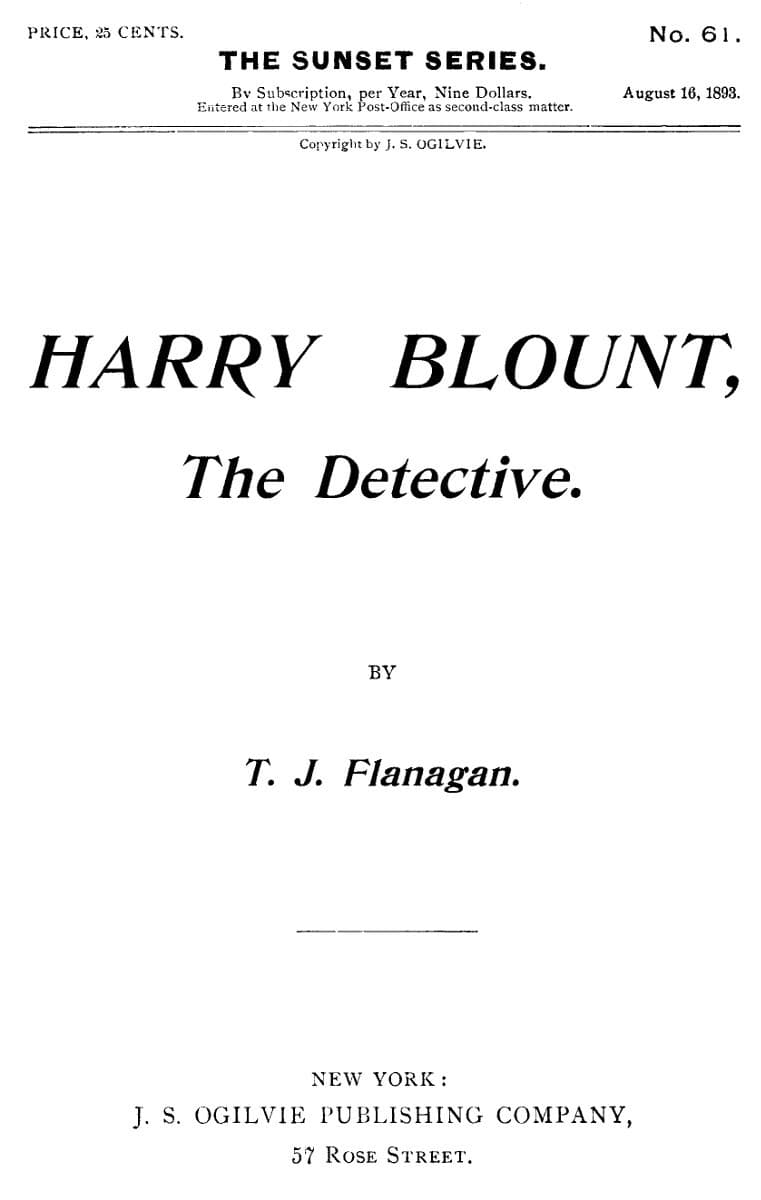
HarryBlount, theDetective;Or, The...

T. J. Flanagan

Harry Blount, the Detective; Or, The Martin Mystery Solved

More authors like this

right arrow
Laura Lee Hope
Laura Lee Hope
Unknown
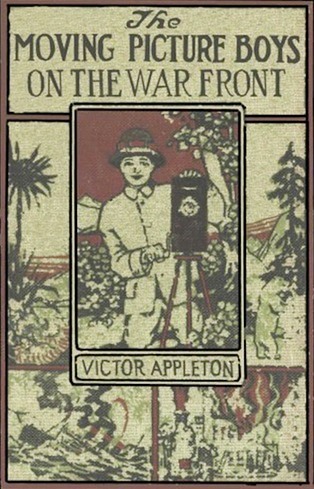
Victor Appleton
Victor Appleton
Unknown
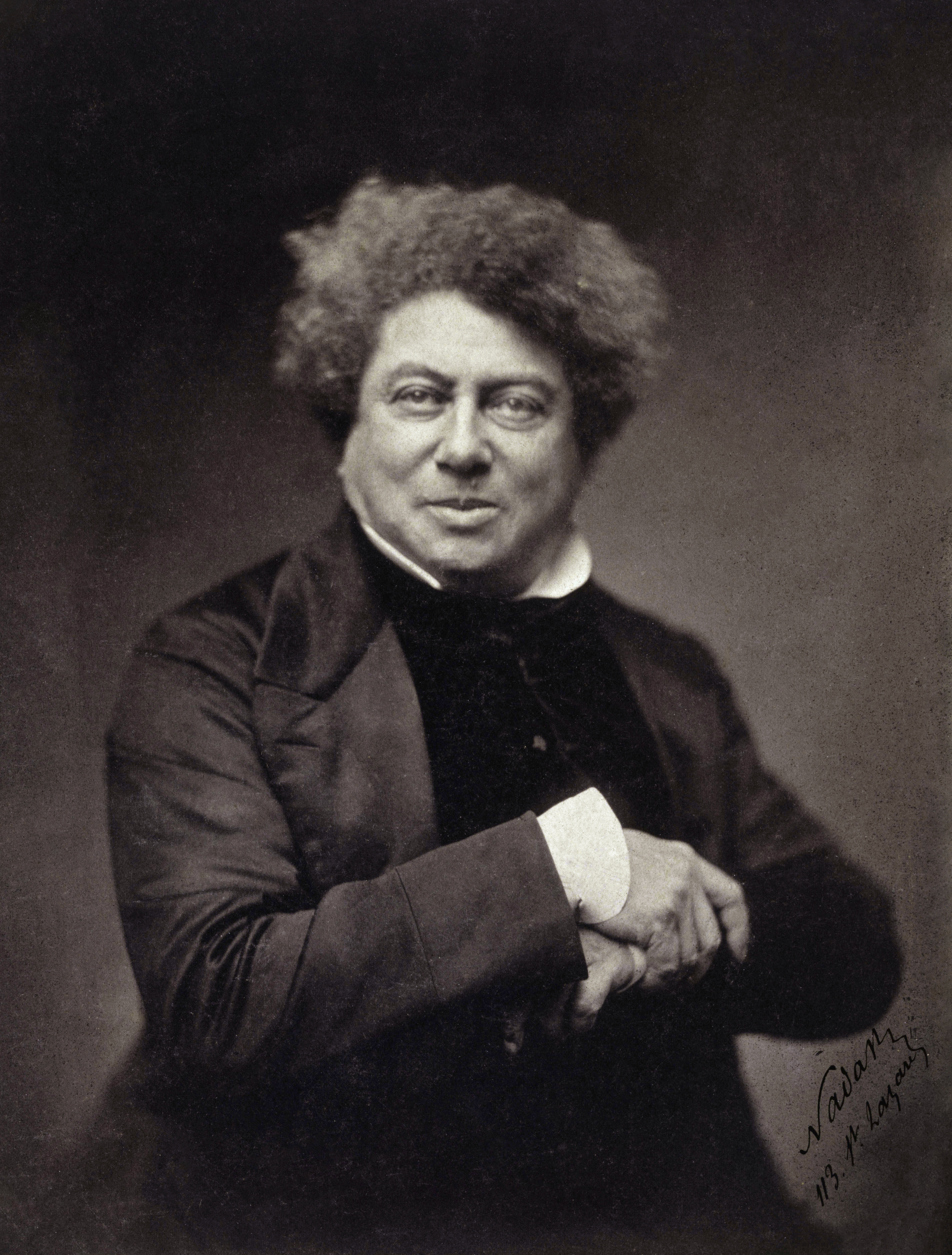
Alexandre Dumas
Alexandre Dumas
1802-1870
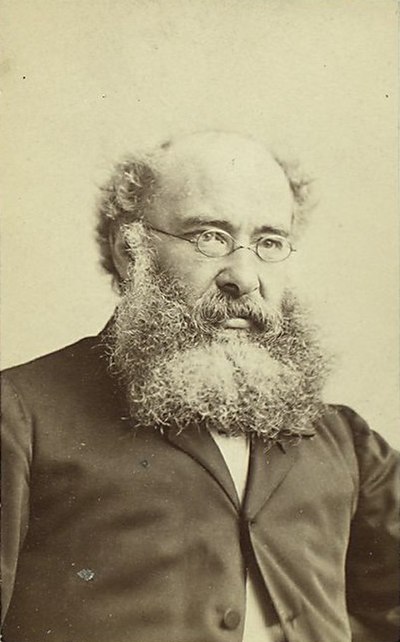
Anthony Trollope
Anthony Trollope
1815-1882
Arthur Conan Doyle
Arthur Conan Doyle
1859-1930
Charles Dickens
Charles Dickens
1812-1870
Edward Bulwer Lytton, Baron Lytton
1803-1873
Edward Stratemeyer
Edward Stratemeyer
1862-1930
G. A. Henty
G. A. Henty
1832-1902
Georg Ebers
Georg Ebers
1837-1898
George Manville Fenn
1831-1909
George Meredith
George Meredith
1828-1909
George Sand
George Sand
1804-1876
Gilbert Parker
Gilbert Parker
1862-1932
Guy de Maupassant
Guy de Maupassant
1850-1893
H. G. Wells
H. G. Wells
1866-1946

Link to this page

Add a free, dofollow link to Lex on your blog, forum, syllabus, or reading list.

T. J. Flanagan on Lex
HTML
<a href="https://lex-books.com/author/t-j-flanagan"><img src="https://lex-books.com/badges/read-on-lex.svg" alt="T. J. Flanagan on Lex" width="160" height="40"></a>
Markdown
[![T. J. Flanagan on Lex](https://lex-books.com/badges/read-on-lex.svg)](https://lex-books.com/author/t-j-flanagan)
BBCode
[url=https://lex-books.com/author/t-j-flanagan][img]https://lex-books.com/badges/read-on-lex.svg[/img][/url]
Plain link
T. J. Flanagan on Lex: https://lex-books.com/author/t-j-flanagan