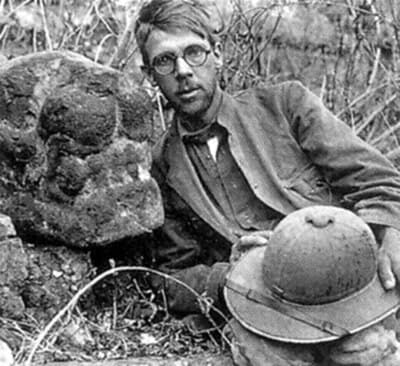
Sylvanus Griswold Morley
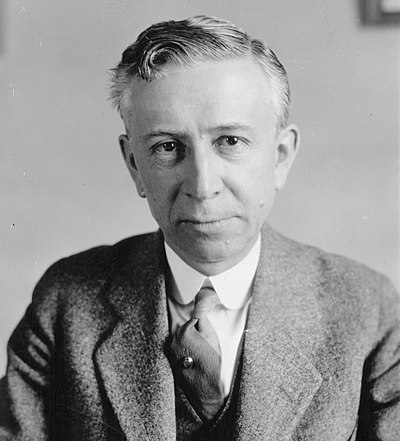
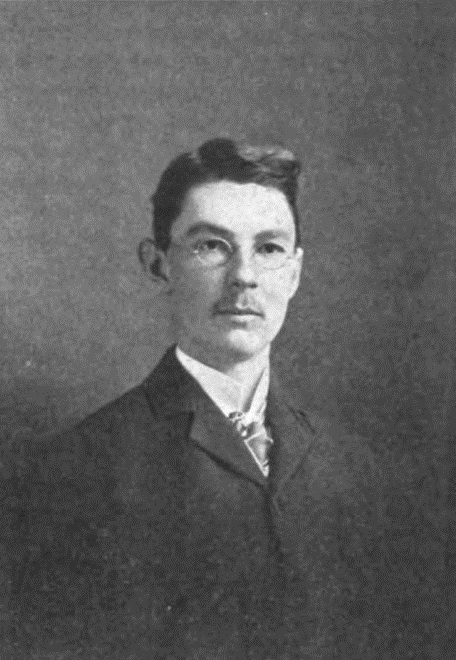
Sylvanus Griswold Morley was an influential American archaeologist and epigrapher renowned for his extensive studies of the pre-Columbian Maya civilization. Leading excavations at the significant Maya site of Chichen Itza under the auspices of the Carnegie Institution, Morley made substantial contributions to the understanding of Maya hieroglyphic writing. His scholarly works, particularly on calendric inscriptions, remain important references in the field, even as contemporary scholars have revisited and critiqued some of his theories. Morley's ability to communicate complex ideas to a broader audience through popular writings helped to elevate public interest in Maya studies during the early 20th century. In addition to his archaeological endeavors, Morley played a covert role during World War I, conducting espionage for the United States while ostensibly engaged in archaeological research in Mexico and Central America. This duality of purpose highlights the complexities of his career and the era's geopolitical tensions. As a mentor and director of various Carnegie-sponsored projects, Morley significantly influenced the next generation of Mesoamerican archaeologists, fostering a legacy that would shape the field for years to come. His dedication to Maya studies not only advanced academic knowledge but also inspired future explorations that unveiled the rich history of ancient Maya civilization.
Books from the author


Link to this page
Add a free, dofollow link to Lex on your blog, forum, syllabus, or reading list.

<a href="https://lex-books.com/author/sylvanus-griswold-morley"><img src="https://lex-books.com/badges/read-on-lex.svg" alt="Sylvanus Griswold Morley on Lex" width="160" height="40"></a>[](https://lex-books.com/author/sylvanus-griswold-morley)[url=https://lex-books.com/author/sylvanus-griswold-morley][img]https://lex-books.com/badges/read-on-lex.svg[/img][/url]Sylvanus Griswold Morley on Lex: https://lex-books.com/author/sylvanus-griswold-morley