Edward Hutton
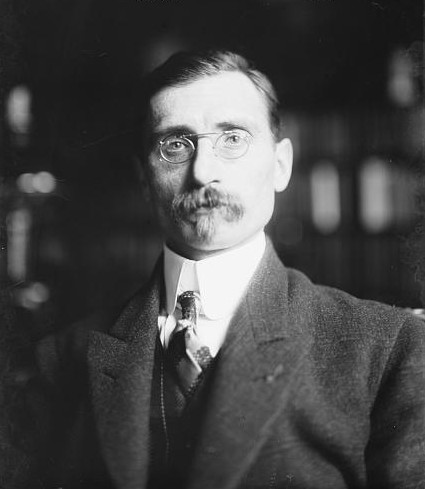
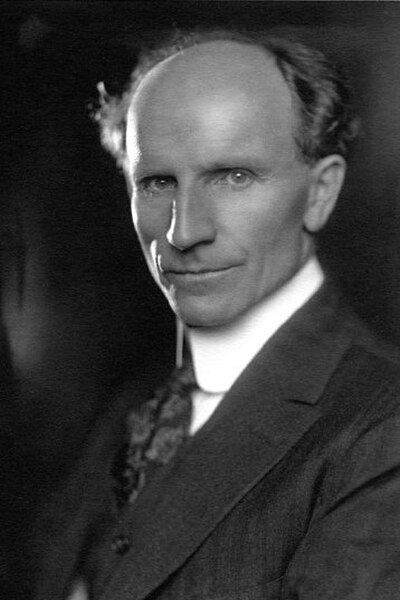
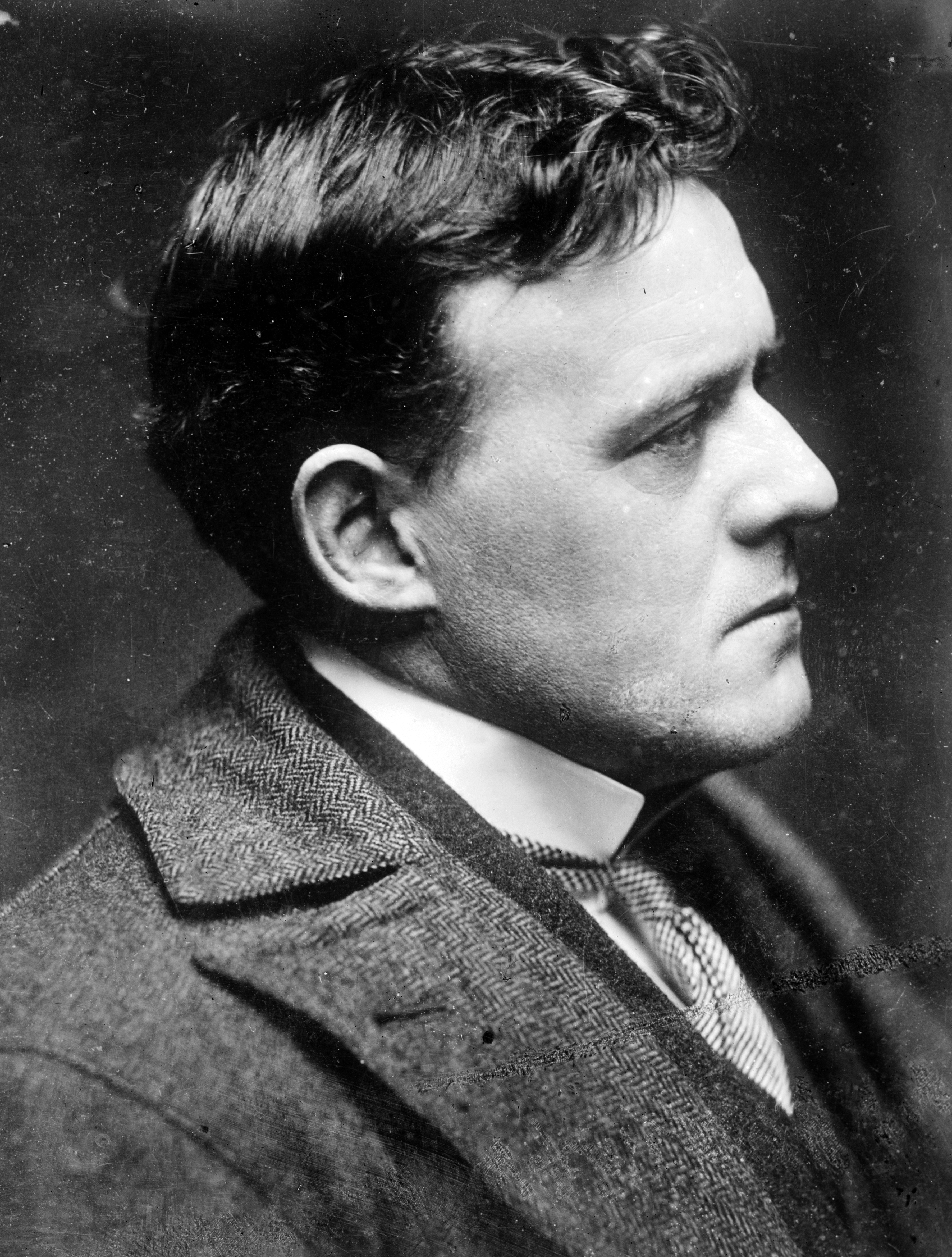
Edward Hutton was an English novelist, biographer, and travel writer, known for his vivid portrayals of Italy and his insightful literary criticism. Born in 1875, Hutton's early life was marked by a deep appreciation for literature and culture, which he later channeled into his writing. He became particularly fascinated with Italy, a theme that permeated much of his work, including his notable travel books such as "The Cities of Italy" and "The Italian Renaissance." Hutton's writing is characterized by its lyrical prose and a keen sense of place, allowing readers to experience the rich history and beauty of Italian landscapes and cities. In addition to his travel writing, Hutton authored several novels, including "The Last of the Romans" and "The Road to Rome," which reflect his interest in historical themes and the complexities of human experience. His works often explore the intersection of personal and cultural identity, making significant contributions to the genre of historical fiction. Hutton's literary significance lies not only in his evocative storytelling but also in his ability to bridge the gap between travel literature and fiction, influencing later writers who sought to capture the essence of place in their narratives. His legacy endures through his extensive body of work, which continues to inspire readers and writers alike.
Famous Quotes
View all 1 quotes“The painter Edward Calvert, who worked from the 1820s to the 1870s and loved Greek subjects, erected an altar to Pan in his back garden.””
Books from the author




Link to this page
Add a free, dofollow link to Lex on your blog, forum, syllabus, or reading list.

<a href="https://lex-books.com/author/edward-hutton"><img src="https://lex-books.com/badges/read-on-lex.svg" alt="Edward Hutton on Lex" width="160" height="40"></a>[](https://lex-books.com/author/edward-hutton)[url=https://lex-books.com/author/edward-hutton][img]https://lex-books.com/badges/read-on-lex.svg[/img][/url]Edward Hutton on Lex: https://lex-books.com/author/edward-hutton