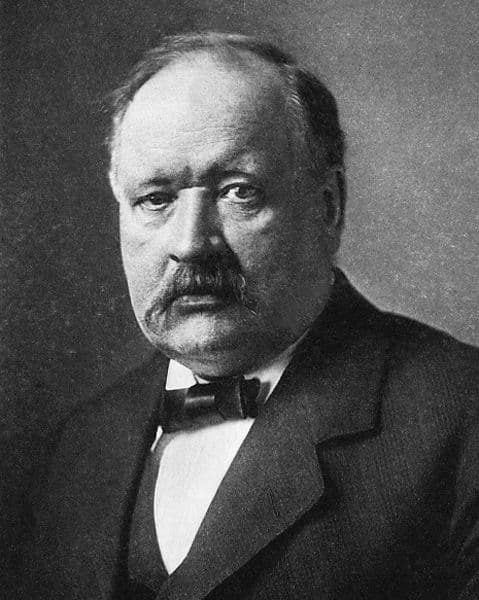
Svante Arrhenius
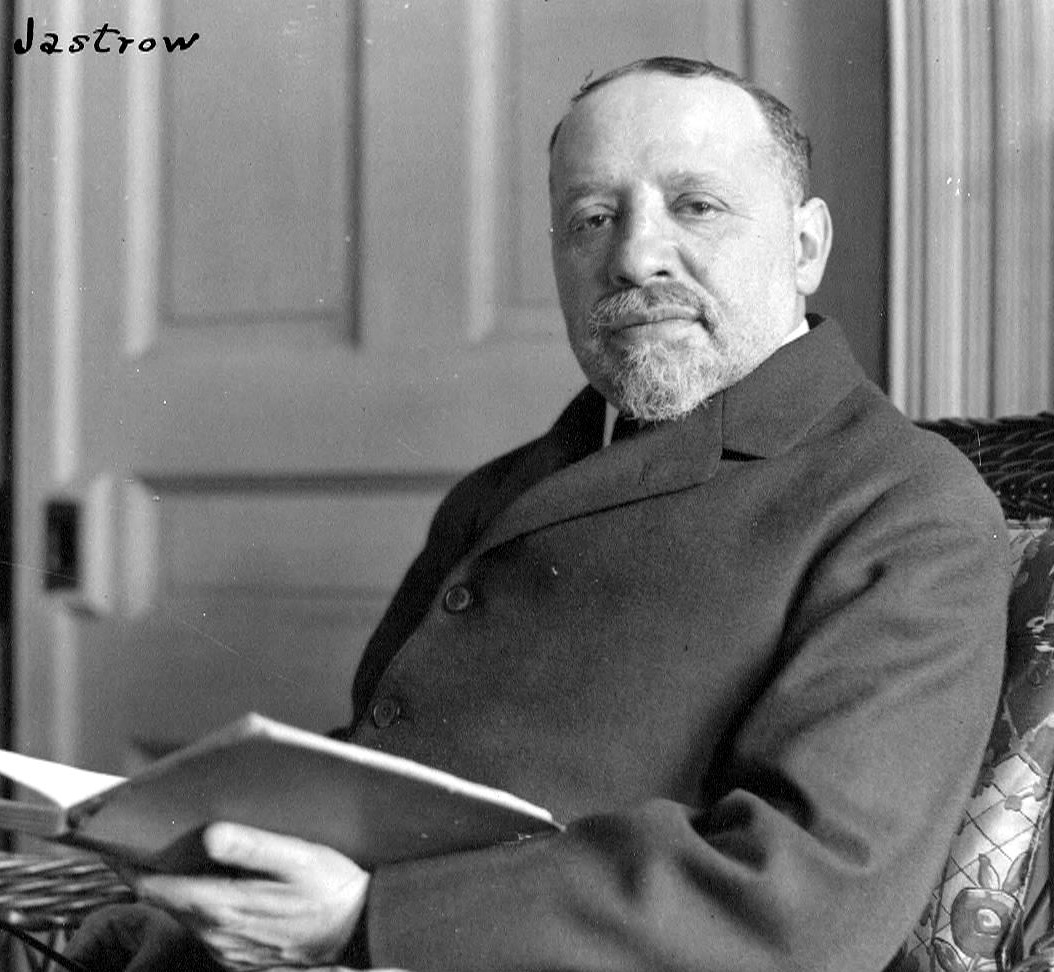
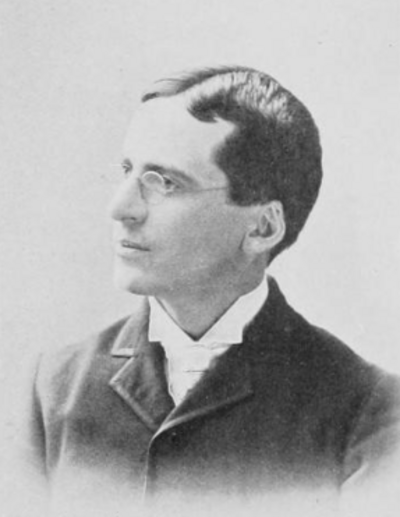
Svante Arrhenius was a pioneering Swedish scientist whose work laid the foundations for the field of physical chemistry. Initially trained as a physicist, he became widely recognized for his contributions to chemistry, particularly through his formulation of the Arrhenius equation, which describes the temperature dependence of reaction rates. In 1903, he was awarded the Nobel Prize in Chemistry, marking him as the first Swedish laureate in this category. His tenure as director of the Nobel Institute from 1905 until his death further solidified his influence in the scientific community. Arrhenius is perhaps best known for his early insights into climate science, particularly his groundbreaking estimation of how increases in atmospheric carbon dioxide could lead to global warming. His work predated and anticipated later findings by researchers like Charles David Keeling, who confirmed rising CO2 levels in the atmosphere. The legacy of Arrhenius's research is evident not only in the terminology that bears his name, such as Arrhenius acids and bases, but also in the ongoing relevance of his climate theories, which continue to inform contemporary discussions on global warming and environmental science.
Famous Quotes
View all 3 quotes“At first sight nothing seems more obvious than that everything has a beginning and an end, and that everything can be subdivided into smaller parts. Nevertheless, for entirely speculative reasons the philosophers of Antiquity, especially the Stoics, concluded this concept to be quite unnecessary. The prodigious development of physics has now reached the same conclusion as those philosophers, Empedocles and Democritus in particular, who lived around 500 B.C.E. and for whom even ancient man had a lively admiration.”
“In a great number of the cosmogonic myths the world is said to have developed from a great water, which was the prime matter. In many cases, as for instance in an Indian myth, this prime matter is indicated as a solution, out of which the solid earth crystallized out.”
“I was led to the conclusion that at the most extreme dilutions all salts would consist of simple conducting molecules. But the conducting molecules are, according to the hypothesis of Clausius and Williamson , dissociated; hence at extreme dilutions all salt molecules are completely disassociated. The degree of dissociation can be simply found on this assumption by taking the ratio of the molecular conductivity of the solution in question to the molecular conductivity at the most extreme dilution.”
Books from the author




Link to this page
Add a free, dofollow link to Lex on your blog, forum, syllabus, or reading list.

<a href="https://lex-books.com/author/svante-arrhenius"><img src="https://lex-books.com/badges/read-on-lex.svg" alt="Svante Arrhenius on Lex" width="160" height="40"></a>[](https://lex-books.com/author/svante-arrhenius)[url=https://lex-books.com/author/svante-arrhenius][img]https://lex-books.com/badges/read-on-lex.svg[/img][/url]Svante Arrhenius on Lex: https://lex-books.com/author/svante-arrhenius