Queechy, Volume I
1852
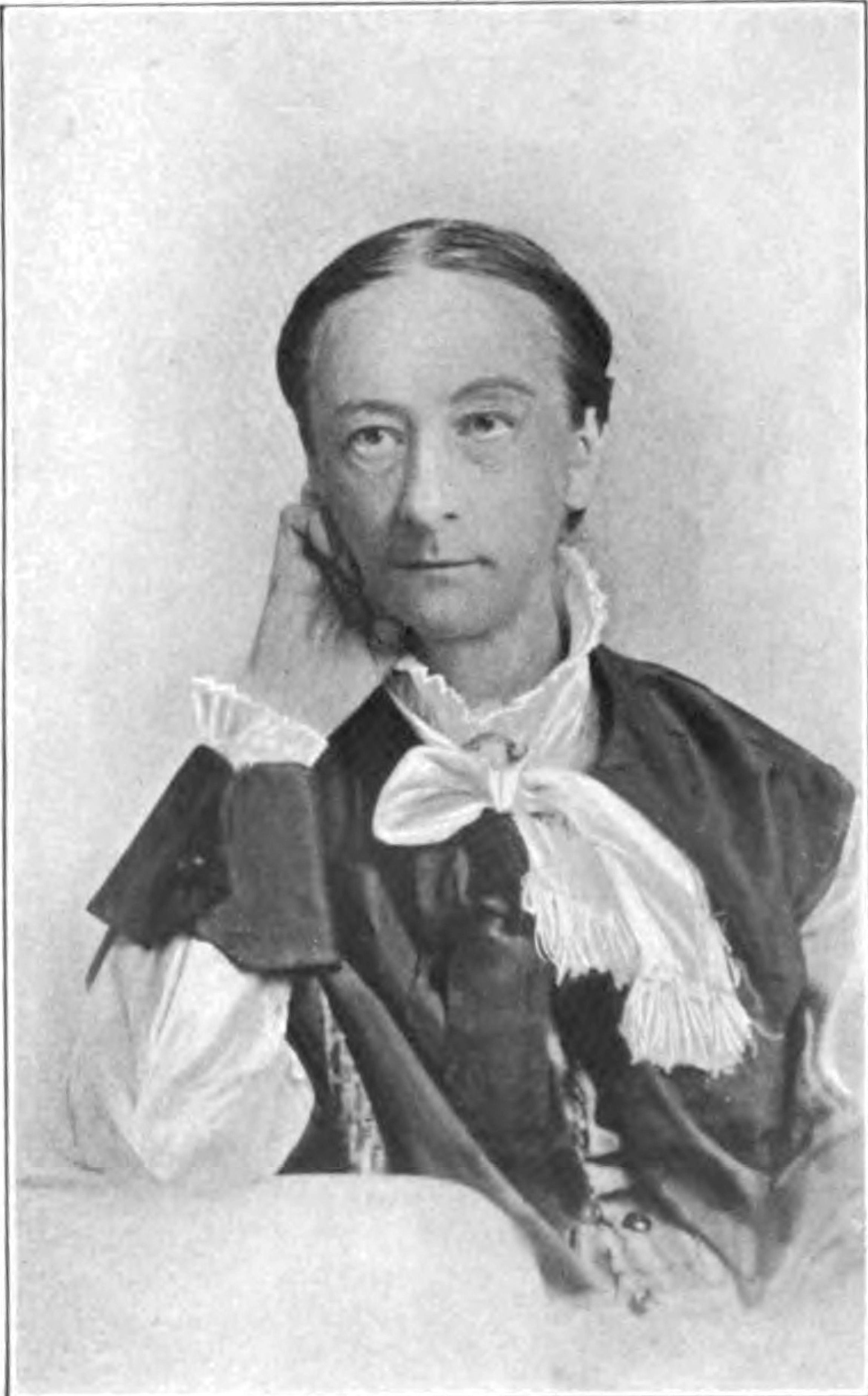
Before there was Little Women, there was Queechy. Published in 1852, Susan Warner's novel was the first American bestseller, a sensation that sold tens of thousands of copies and made its author famous on both sides of the Atlantic. The story follows Fleda Ringgan, a tender-hearted girl living with her grandfather in the small farming town of Queechy, where autumn light falls golden across the hills and the simplest pleasures - a walk to the post office, a basket of apples - hold profound meaning. Fleda is perceptive beyond her years, sensing her grandfather's anxieties about money and the farm even as she finds joy in the world around her. This is a book about the fragile economy of love and loss in rural New England, about a child who understands too much and feels deeply. Warner's prose has the quality of afternoon light - warm, slightly melancholic, suffused with moral gravity. It is a window into nineteenth-century American domesticity, but also a timeless portrait of the bond between grandparent and grandchild, and the moment when innocence begins to meet the world's hard edges.
Editions
Link to this book
Add a free, dofollow link to Lex on your blog, forum, syllabus, or reading list.

<a href="https://lex-books.com/book/queechy-volume-i-20aff106-20ef-4d3a-9ab7-0160a6443d4e"><img src="https://lex-books.com/badges/read-on-lex.svg" alt="Read Queechy, Volume I by Susan Warner free on Lex" width="160" height="40"></a>[](https://lex-books.com/book/queechy-volume-i-20aff106-20ef-4d3a-9ab7-0160a6443d4e)[url=https://lex-books.com/book/queechy-volume-i-20aff106-20ef-4d3a-9ab7-0160a6443d4e][img]https://lex-books.com/badges/read-on-lex.svg[/img][/url]Read Queechy, Volume I by Susan Warner free on Lex: https://lex-books.com/book/queechy-volume-i-20aff106-20ef-4d3a-9ab7-0160a6443d4eCite this book
Reading this edition for a paper or guide? Copy a citation.
Warner, Susan. Queechy, Volume I. Lex, lex-books.com/book/queechy-volume-i-20aff106-20ef-4d3a-9ab7-0160a6443d4e.Warner, S. (1852). Queechy, Volume I. Lex. https://lex-books.com/book/queechy-volume-i-20aff106-20ef-4d3a-9ab7-0160a6443d4eWarner, Susan. Queechy, Volume I. Lex. https://lex-books.com/book/queechy-volume-i-20aff106-20ef-4d3a-9ab7-0160a6443d4e.