
Stephen Coleridge
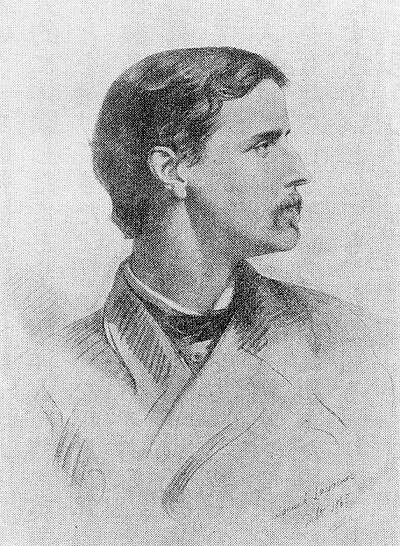
Stephen William Buchanan Coleridge was an English author and barrister known for his strong advocacy against vivisection and his commitment to child welfare. A co-founder of the National Society for the Prevention of Cruelty to Children, he played a significant role in shaping public attitudes towards the treatment of children and animals. Coleridge's literary contributions included essays and critiques that reflected his ethical concerns, particularly in relation to the moral implications of scientific practices and the welfare of vulnerable populations. His writings often blended legal insight with a passionate plea for social reform, making him a notable figure in the early 20th-century discourse on ethics and morality. Coleridge's legacy is marked by his efforts to promote compassion and humane treatment, influencing both legislative changes and public awareness regarding the rights of children and animals. His work remains a testament to the power of literature as a vehicle for social change, highlighting the interconnectedness of legal, ethical, and humanitarian issues.
Famous Quotes
View all 1 quotes“One was taught that such things could not be; that things like Coleridge’s “Cristabel””
Books from the author









Link to this page
Add a free, dofollow link to Lex on your blog, forum, syllabus, or reading list.

<a href="https://lex-books.com/author/stephen-coleridge"><img src="https://lex-books.com/badges/read-on-lex.svg" alt="Stephen Coleridge on Lex" width="160" height="40"></a>[](https://lex-books.com/author/stephen-coleridge)[url=https://lex-books.com/author/stephen-coleridge][img]https://lex-books.com/badges/read-on-lex.svg[/img][/url]Stephen Coleridge on Lex: https://lex-books.com/author/stephen-coleridge