
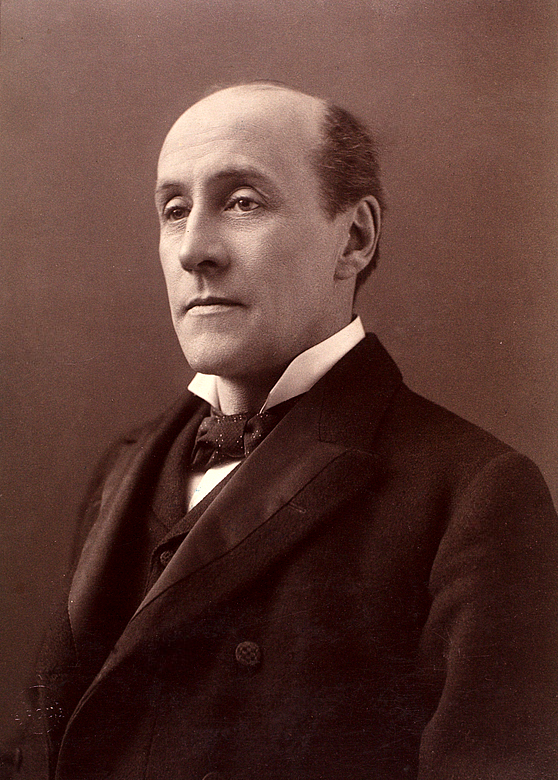
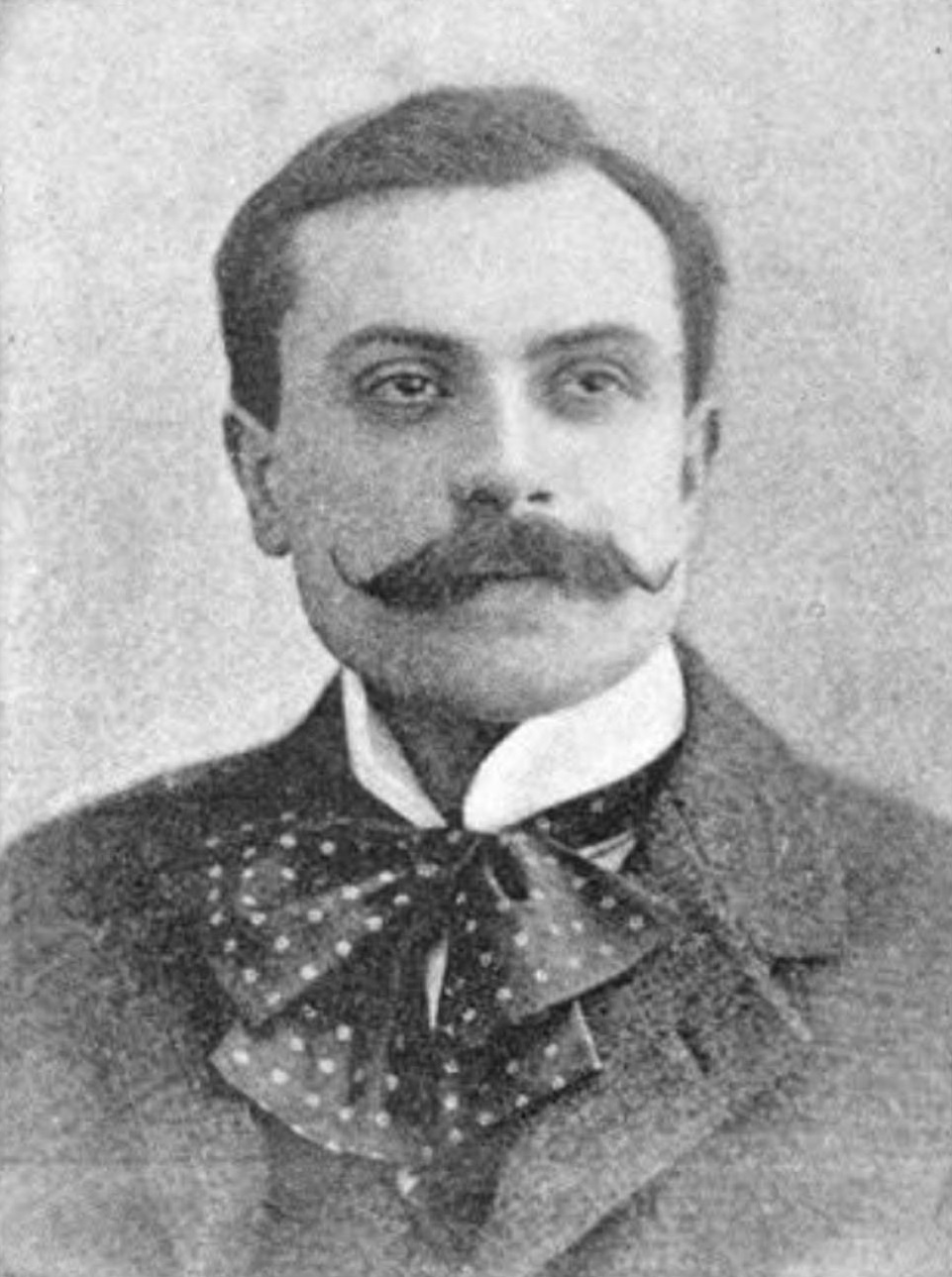
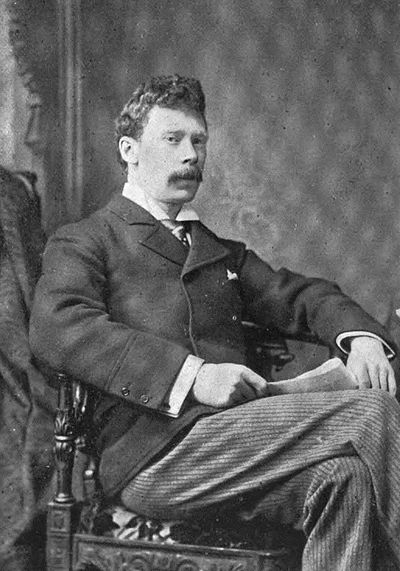
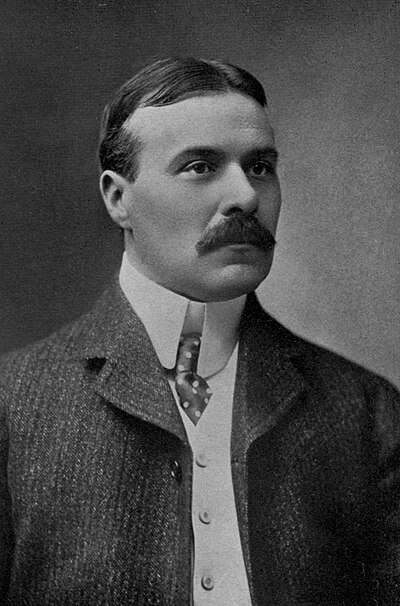
Sir Hall Caine
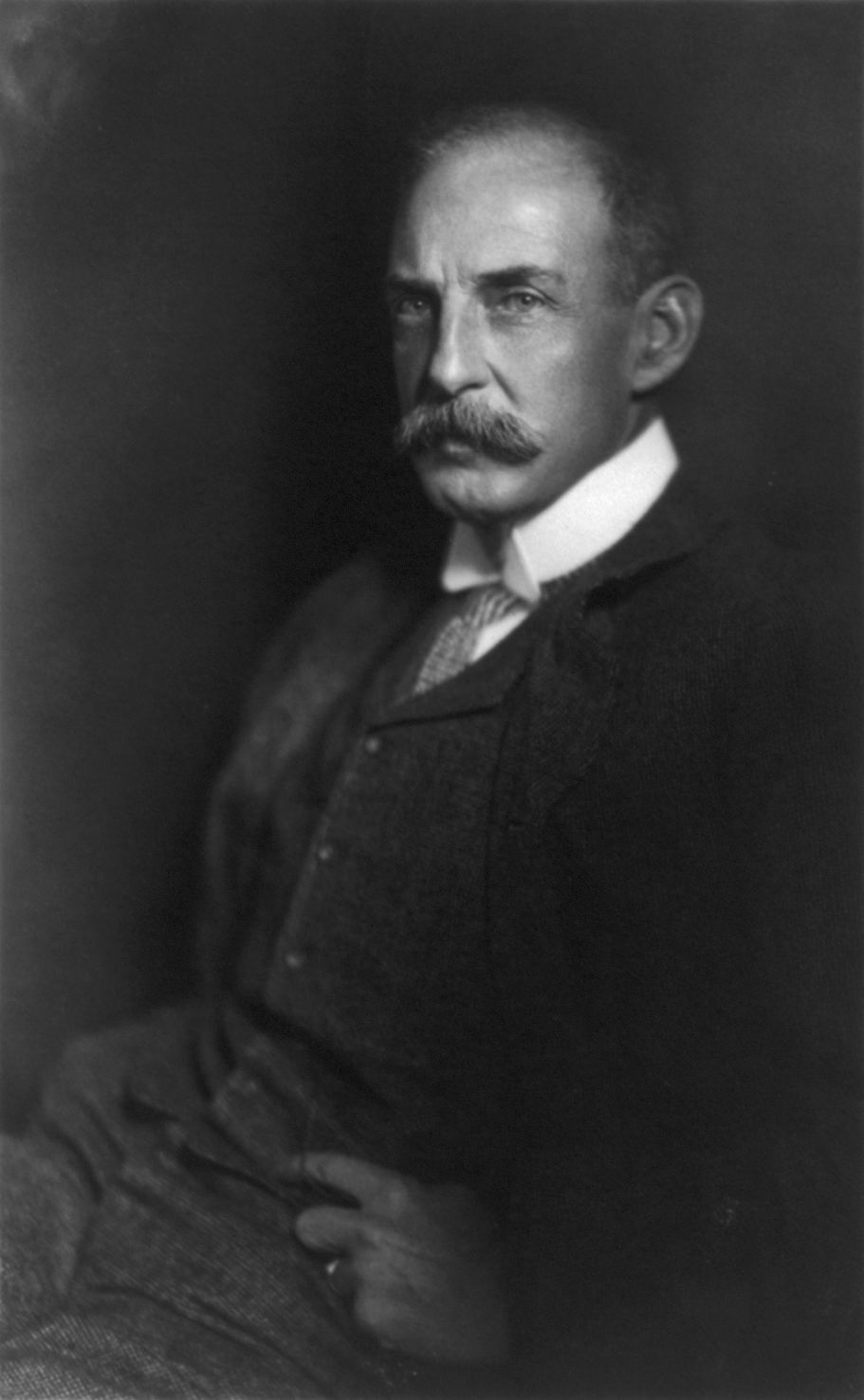
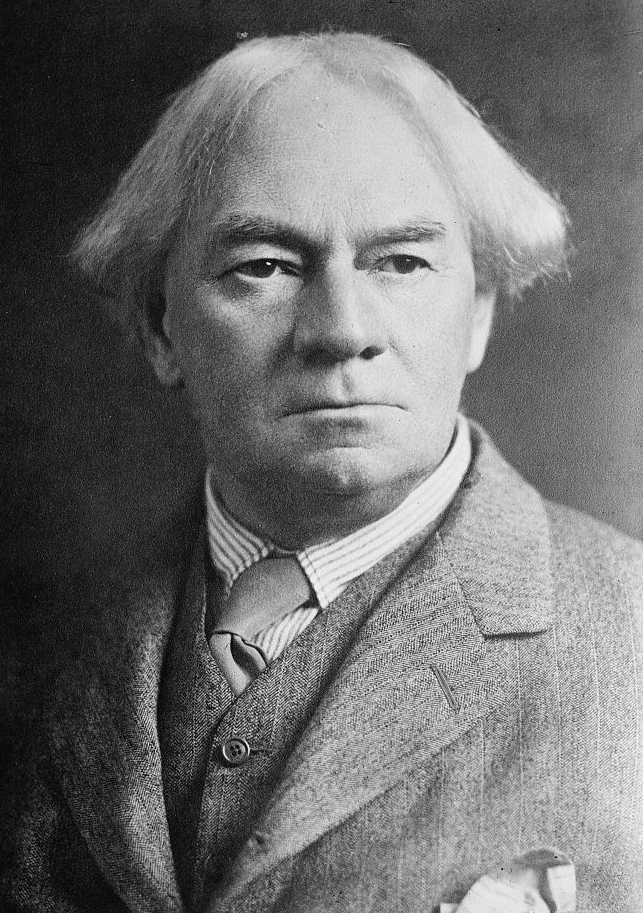
Sir Hall Caine was a prominent British novelist and playwright, known for his works that often explored themes of morality, faith, and the human condition. Born in the Isle of Man, Caine's early life was steeped in the rich folklore and culture of his homeland, which would later influence his writing. He gained widespread recognition with his novel 'The Deemster' (1887), a gripping tale set in the Isle of Man that delves into the complexities of justice and personal conviction. His subsequent works, including 'The Manxman' (1894) and 'The Eternal City' (1901), further established him as a leading literary figure of his time, blending elements of romance and social commentary with a keen understanding of human psychology. Caine's literary significance lies not only in his storytelling but also in his ability to address contemporary social issues, such as class struggles and the impact of industrialization. His popularity during the late 19th and early 20th centuries was immense, and he was often compared to other literary giants of the era. Additionally, Caine's involvement in the theatrical world, particularly with adaptations of his novels for the stage, showcased his versatility as a writer. Despite a decline in popularity after his death, Caine's works remain a testament to the literary landscape of his time, reflecting the complexities of human experience and the moral dilemmas faced by individuals in a rapidly changing world.
Famous Quotes
View all 10 quotes“Some offered such rude comfort as their sympathetic hearts but not too fecund intellects could devise,””
“when one dies, those who survive ask what he has left behind; the angel who bends above him asks what he has sent before.””
“It's ill-luck to serve a bad man,””
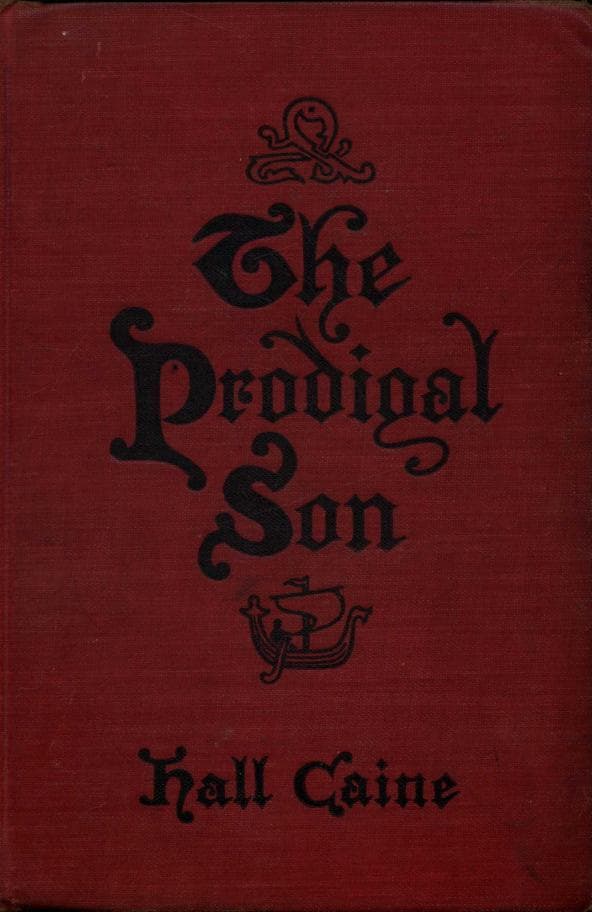
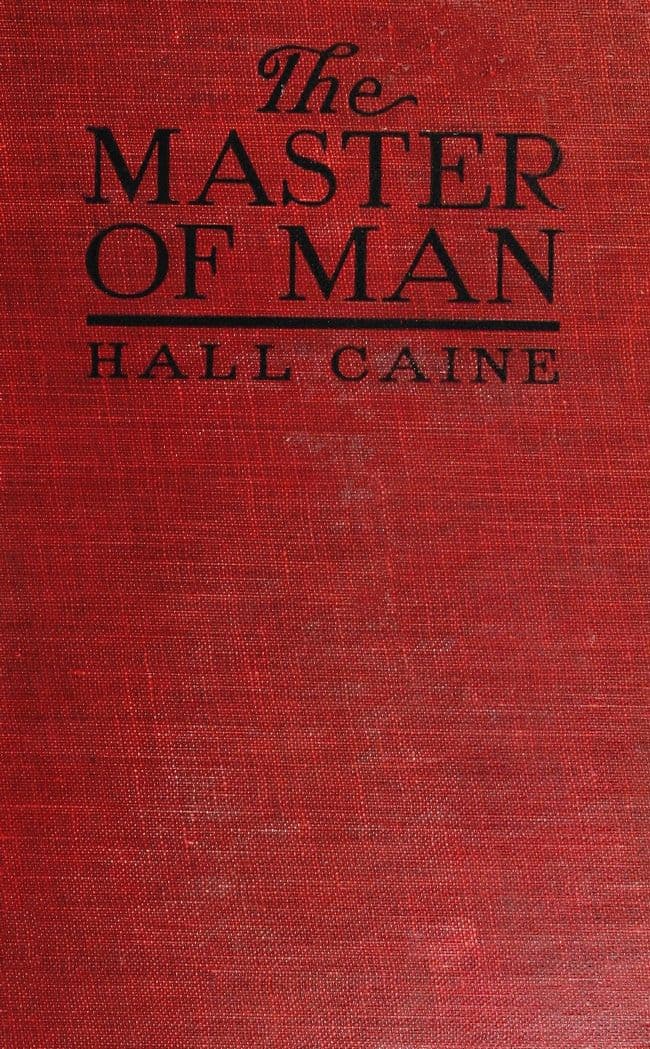
Books from the author









Link to this page
Add a free, dofollow link to Lex on your blog, forum, syllabus, or reading list.

<a href="https://lex-books.com/author/hall-sir-caine"><img src="https://lex-books.com/badges/read-on-lex.svg" alt="Sir Hall Caine on Lex" width="160" height="40"></a>[](https://lex-books.com/author/hall-sir-caine)[url=https://lex-books.com/author/hall-sir-caine][img]https://lex-books.com/badges/read-on-lex.svg[/img][/url]Sir Hall Caine on Lex: https://lex-books.com/author/hall-sir-caine