Sancho de, active Muñón
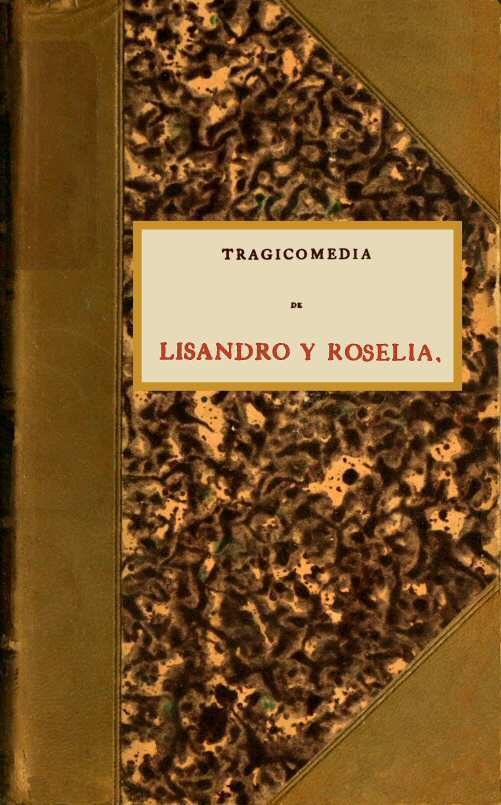
Sancho de Muñón was a Spanish playwright and poet active during the 16th century, known primarily for his contributions to the genre of tragicomedy. His notable work, 'Tragicomedia De Lisandro Y Roseliallamada Elicia,' exemplifies the blending of tragic and comic elements that characterized the period's theatrical landscape. This play, along with his other significant work, 'Cuarta Obra Y Tercera Celestina,' reflects the influence of earlier Spanish literature, particularly the themes of love, fate, and social commentary that were prevalent in the works of his contemporaries. Muñón's writing is marked by its intricate character development and emotional depth, showcasing the complexities of human relationships. His ability to weave together humor and tragedy not only entertained audiences but also provided a lens through which to examine societal norms and personal dilemmas. While not as widely recognized as some of his peers, Muñón's contributions to Spanish literature during the Renaissance period helped pave the way for future playwrights and solidified the tragicomedy as a significant genre in the theatrical canon.
Books from the author


Link to this page
Add a free, dofollow link to Lex on your blog, forum, syllabus, or reading list.

<a href="https://lex-books.com/author/sancho-de-active-muñón"><img src="https://lex-books.com/badges/read-on-lex.svg" alt="Sancho de, active Muñón on Lex" width="160" height="40"></a>[](https://lex-books.com/author/sancho-de-active-muñón)[url=https://lex-books.com/author/sancho-de-active-muñón][img]https://lex-books.com/badges/read-on-lex.svg[/img][/url]Sancho de, active Muñón on Lex: https://lex-books.com/author/sancho-de-active-muñón