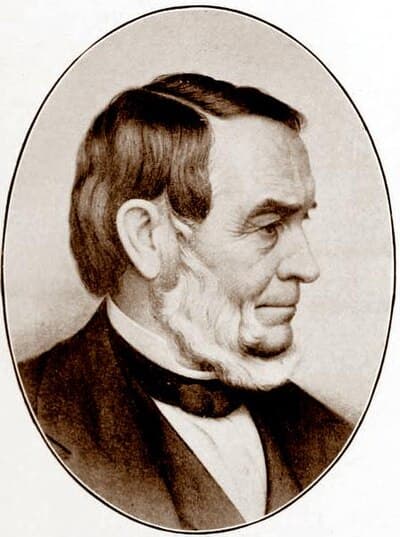
Samuel May
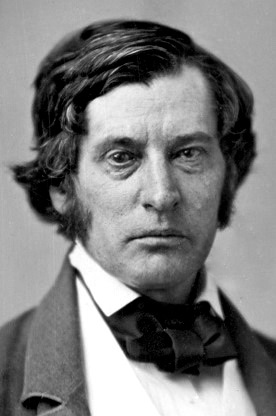
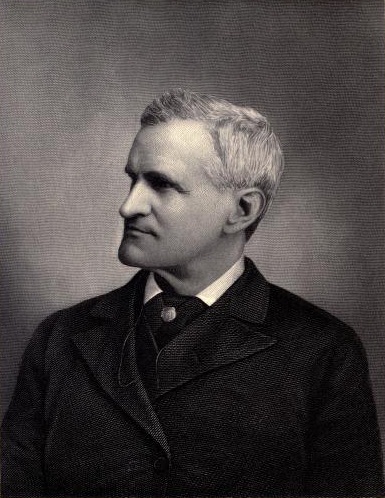
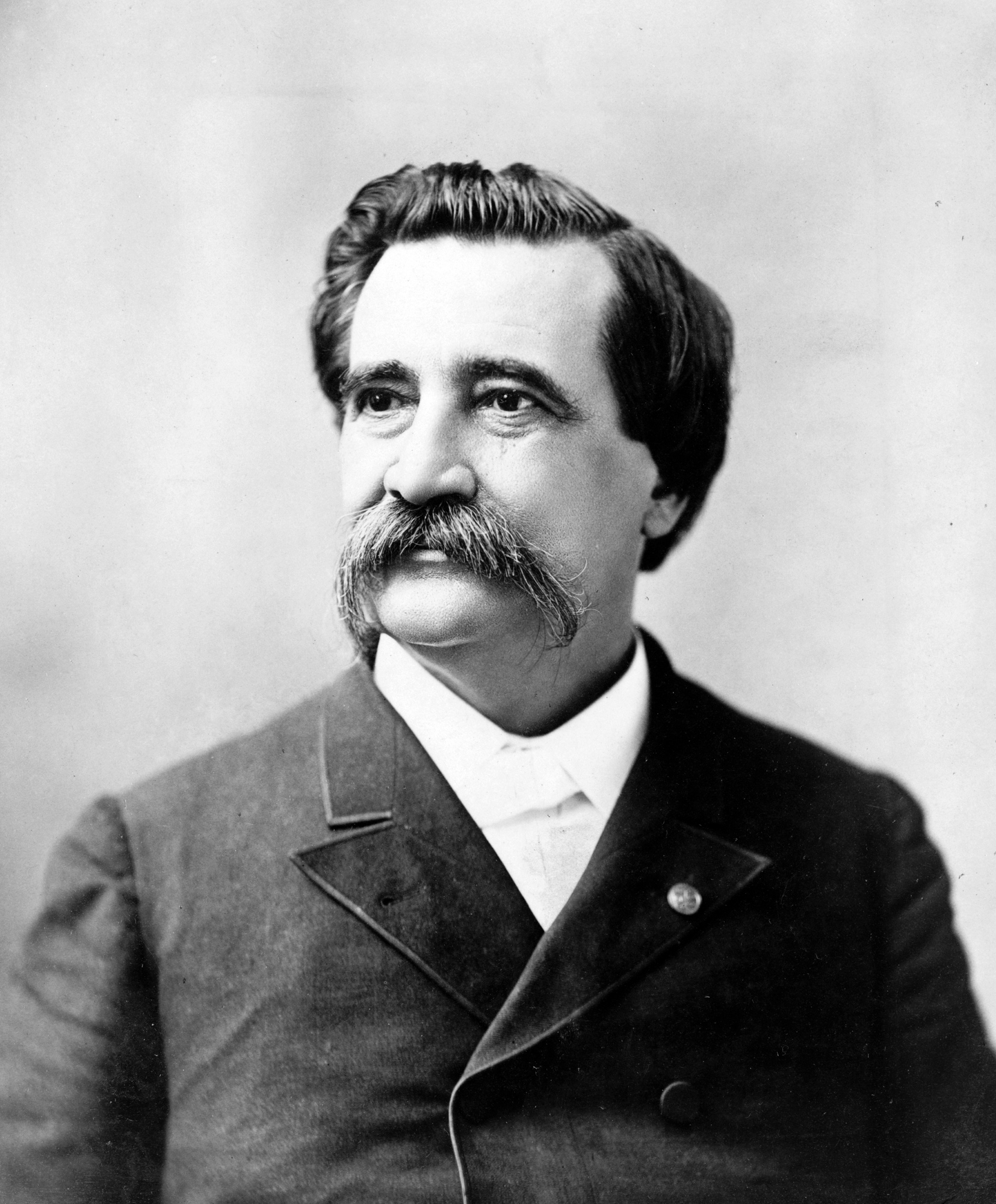
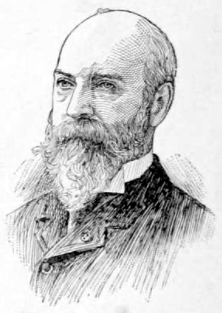
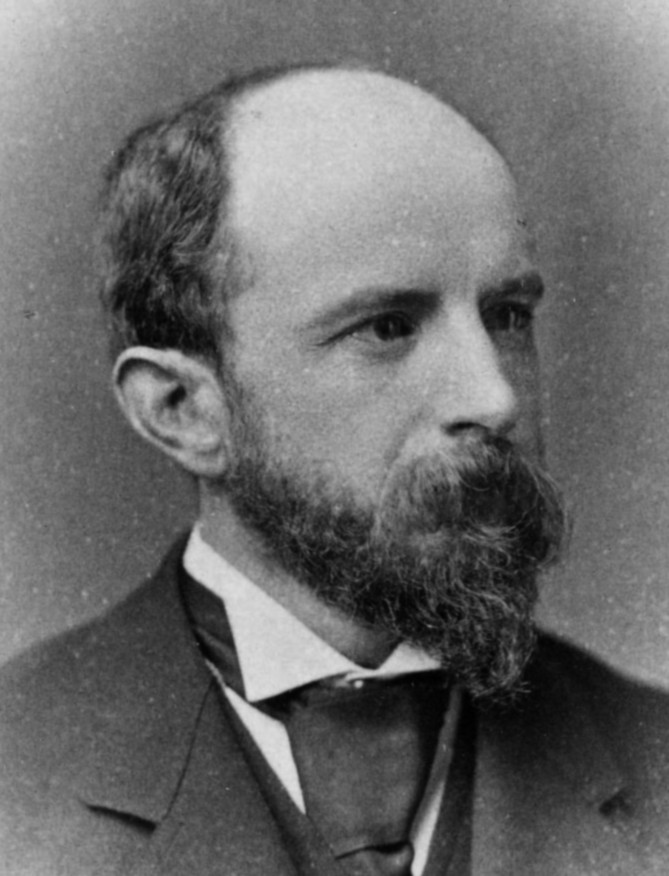
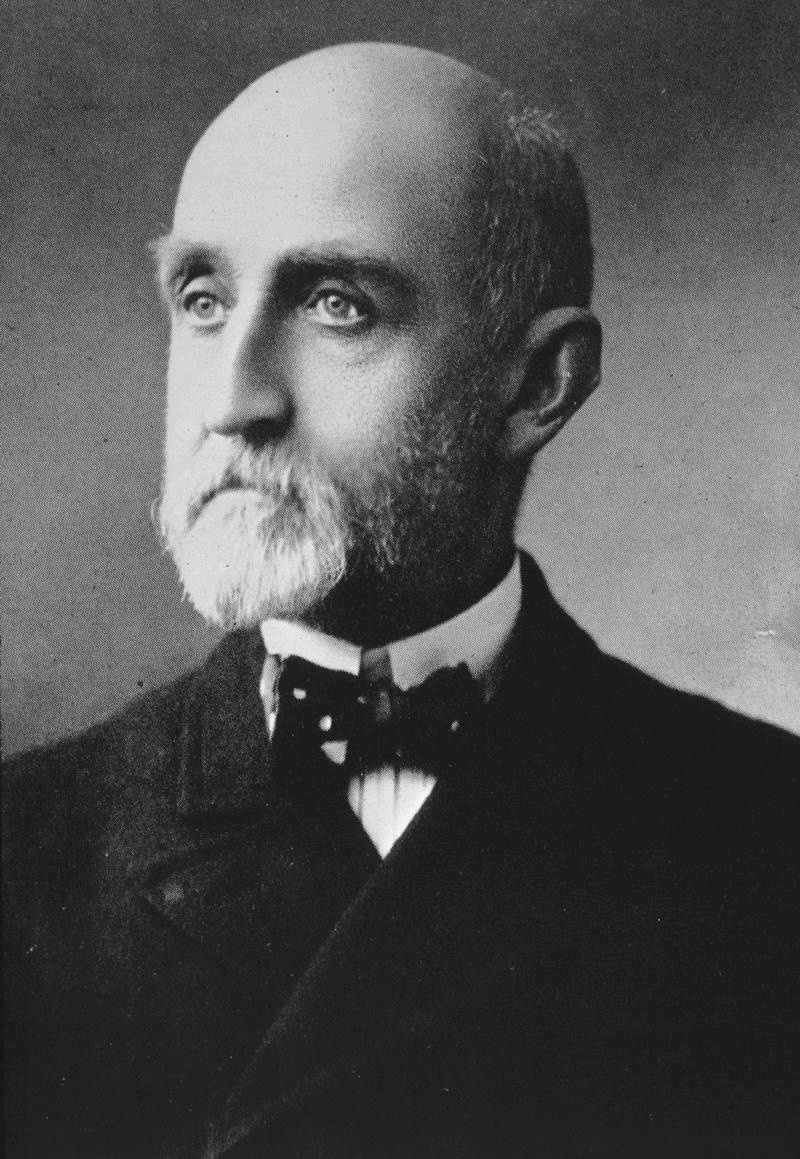
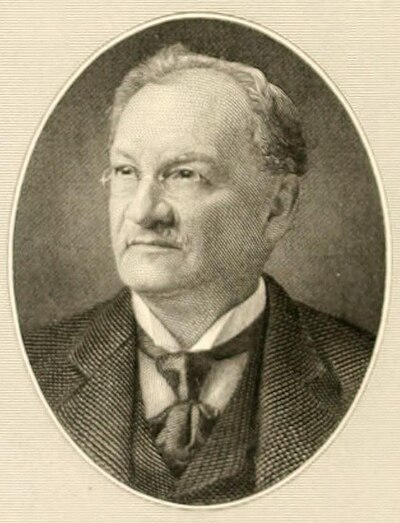
Samuel May was a prominent American reformer in the 19th century, known for his passionate advocacy for education, women's rights, and the abolition of slavery. Born into an affluent Boston family, he was deeply influenced by his connections to prominent colonial families, including the Quincys and Hancocks. May's commitment to social justice was evident in his belief that the rights of humanity should take precedence over property rights, leading him to champion minimum wage laws and restrictions on wealth accumulation. His reformist spirit was further fueled by his familial ties, particularly as the brother of Abby May Alcott, mother of famed novelist Louisa May Alcott. Throughout his life, May's activism extended beyond mere rhetoric; he was a key figure in various social movements, using his voice and influence to advocate for the marginalized. His writings and speeches contributed significantly to the discourse on human rights during a transformative period in American history. May's legacy is marked by his unwavering commitment to equality and justice, positioning him as a vital figure in the fight for civil rights and social reform in the United States.
Famous Quotes
View all 19 quotes“If ye love wealth better than liberty, the tranquility of servitude better than the animating contest of freedom, go home from us in peace. We ask not your counsels or arms. Crouch down and lick the hands which feed you. May your chains set lightly upon you, and may posterity forget that ye were our countrymen.””
“The greatest pleasure of a dog is that you may make a fool of yourself with him, and not only will he not scold you, but he will make a fool of himself, too.””
“Sir, I admit your general rule, That every poet is a fool, But you yourself may serve to show it, That every fool is not a poet.””
Books from the author