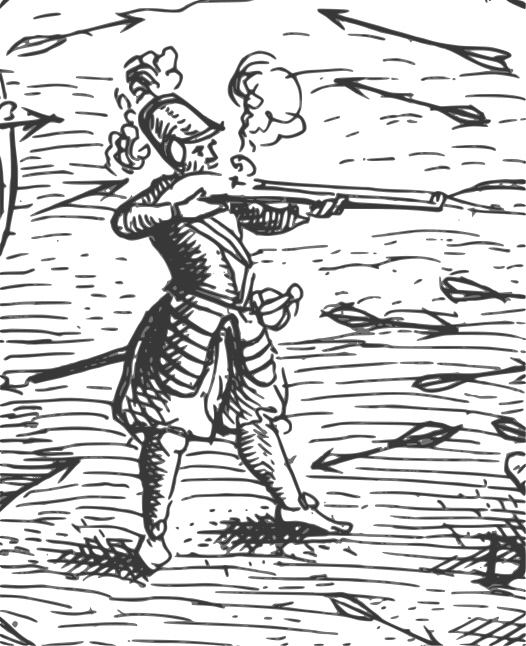
Samuel de Champlain
Samuel de Champlain was a pioneering French explorer and cartographer who played a crucial role in the establishment of New France in North America. Born into a maritime family, he embarked on his exploration career in 1603, quickly becoming a key figure in the early European colonization of the continent. His most significant achievement came in 1608 when he founded Quebec City, which became the heart of French colonial efforts in North America. Over the course of his life, Champlain made numerous voyages across the Atlantic, contributing to the establishment of Port Royal in Acadia and fostering relationships with Indigenous peoples, which were vital for the survival and expansion of French settlements. Champlain's legacy extends beyond his explorations; he was an accomplished cartographer whose detailed maps provided the first accurate representations of North America's eastern coastline and the Great Lakes region. His writings and observations offered Europeans a comprehensive understanding of the geography and cultures of northeastern North America, influencing future explorers and settlers. Champlain's work laid the foundation for French influence in the region and established him as a significant figure in the history of North American exploration and colonization.
Books from the author




Link to this page
Add a free, dofollow link to Lex on your blog, forum, syllabus, or reading list.

<a href="https://lex-books.com/author/samuel-de-champlain"><img src="https://lex-books.com/badges/read-on-lex.svg" alt="Samuel de Champlain on Lex" width="160" height="40"></a>[](https://lex-books.com/author/samuel-de-champlain)[url=https://lex-books.com/author/samuel-de-champlain][img]https://lex-books.com/badges/read-on-lex.svg[/img][/url]Samuel de Champlain on Lex: https://lex-books.com/author/samuel-de-champlain