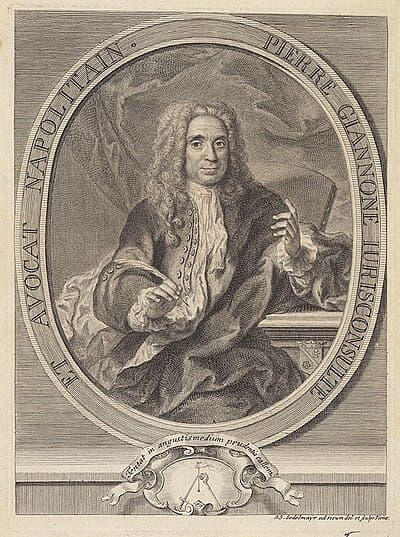
Pietro Giannone
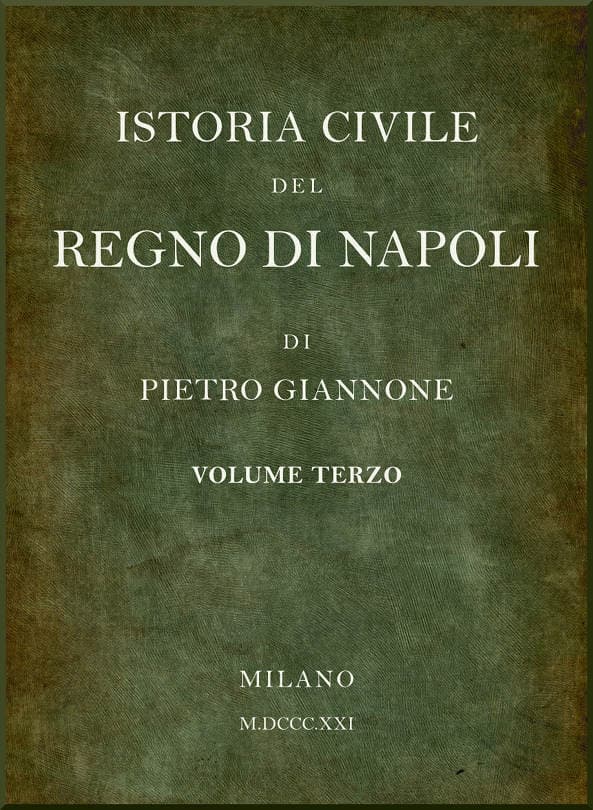
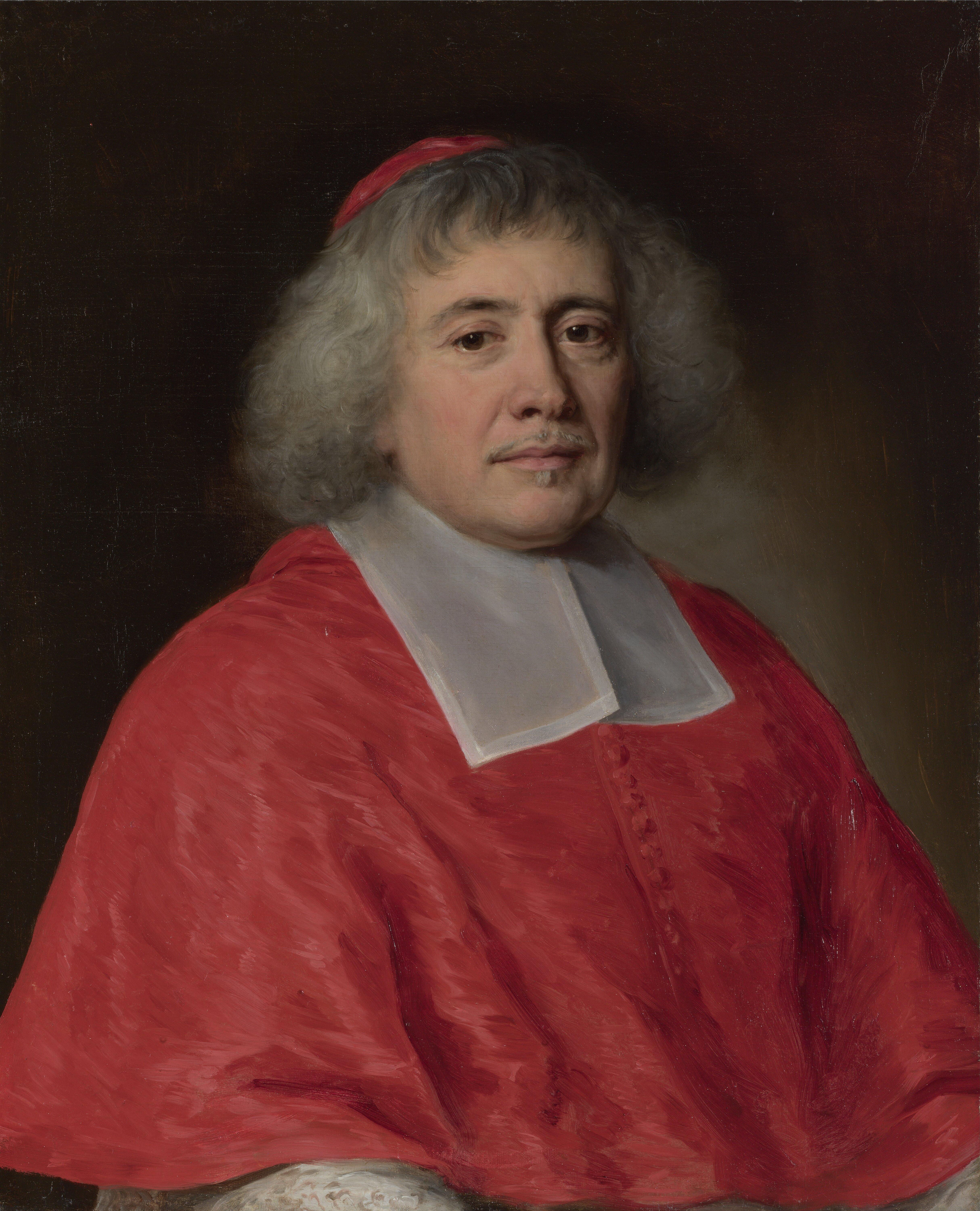
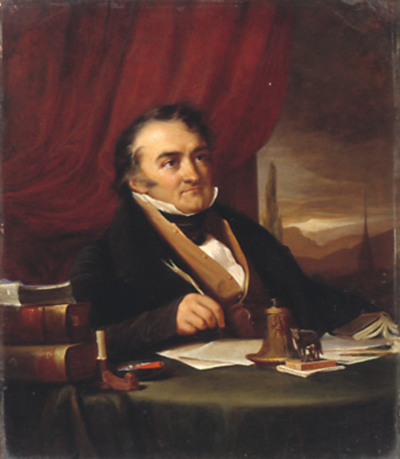
Pietro Giannone was an influential Italian philosopher, historian, and jurist known for his critical stance against the papal authority in Naples. Born in Ischitella, in the Kingdom of Naples, Giannone's work primarily focused on the intersection of law, history, and philosophy. His most notable work, 'La nuova storia d'Italia' (The New History of Italy), challenged the traditional narratives upheld by the Church and advocated for a secular approach to history and governance. This bold perspective earned him significant recognition, but also led to his excommunication by the Church, reflecting the contentious nature of his ideas in a deeply religious society. Giannone's opposition to papal influence culminated in a twelve-year imprisonment, during which he continued to write and develop his thoughts on civil law and the role of the state. His legacy is marked by his commitment to rational inquiry and the promotion of secularism in governance, positioning him as a precursor to Enlightenment thought in Italy. Despite the challenges he faced, Giannone's contributions to historical and legal scholarship remain significant, influencing later thinkers and laying groundwork for the development of modern secular historiography.
Books from the author






Link to this page
Add a free, dofollow link to Lex on your blog, forum, syllabus, or reading list.

<a href="https://lex-books.com/author/pietro-giannone"><img src="https://lex-books.com/badges/read-on-lex.svg" alt="Pietro Giannone on Lex" width="160" height="40"></a>[](https://lex-books.com/author/pietro-giannone)[url=https://lex-books.com/author/pietro-giannone][img]https://lex-books.com/badges/read-on-lex.svg[/img][/url]Pietro Giannone on Lex: https://lex-books.com/author/pietro-giannone