Robert Granville Campbell
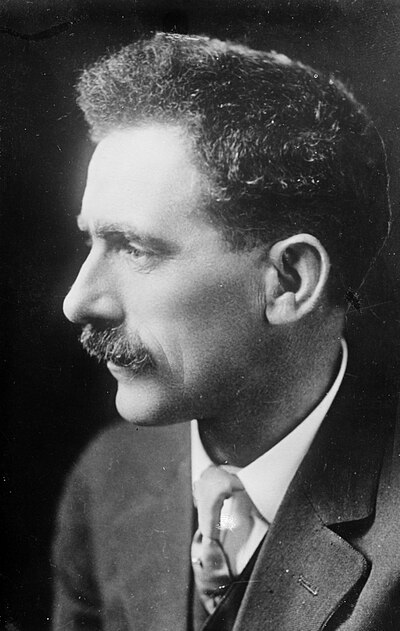
Robert Granville Campbell was a notable figure in the early 20th century, recognized for his contributions to legal scholarship and historical analysis. Born in 1879, Campbell's work primarily focused on the complexities of international law and its implications during times of conflict. His most significant work, 'Neutral Rights and Obligations in the Anglo-Boer War,' examined the legal frameworks governing neutrality and the responsibilities of nations during wartime, particularly in the context of the Boer War, which had profound implications for international relations and legal precedents. Campbell's scholarship was characterized by a meticulous approach to legal principles and a deep understanding of historical contexts. He sought to clarify the often ambiguous nature of neutrality, contributing to the broader discourse on international law. His insights not only shed light on the specific events of the Anglo-Boer War but also influenced subsequent discussions on neutrality in global conflicts. Although his life was cut short in 1932, Campbell's work remains a significant reference point for scholars interested in the evolution of international law and its application in warfare.
Books from the author






Link to this page
Add a free, dofollow link to Lex on your blog, forum, syllabus, or reading list.

<a href="https://lex-books.com/author/robert-granville-campbell"><img src="https://lex-books.com/badges/read-on-lex.svg" alt="Robert Granville Campbell on Lex" width="160" height="40"></a>[](https://lex-books.com/author/robert-granville-campbell)[url=https://lex-books.com/author/robert-granville-campbell][img]https://lex-books.com/badges/read-on-lex.svg[/img][/url]Robert Granville Campbell on Lex: https://lex-books.com/author/robert-granville-campbell