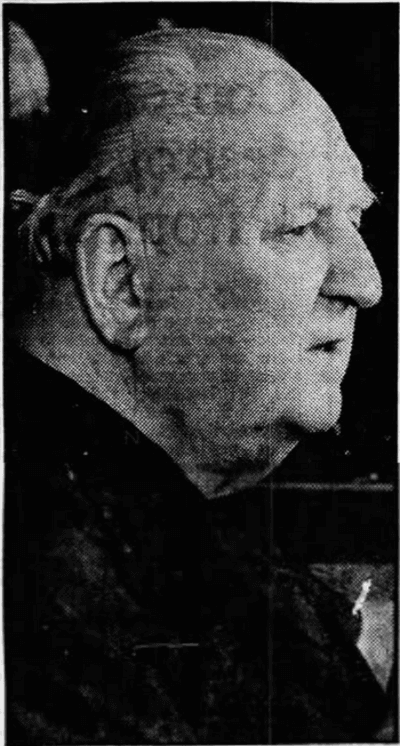
Richard Hughes
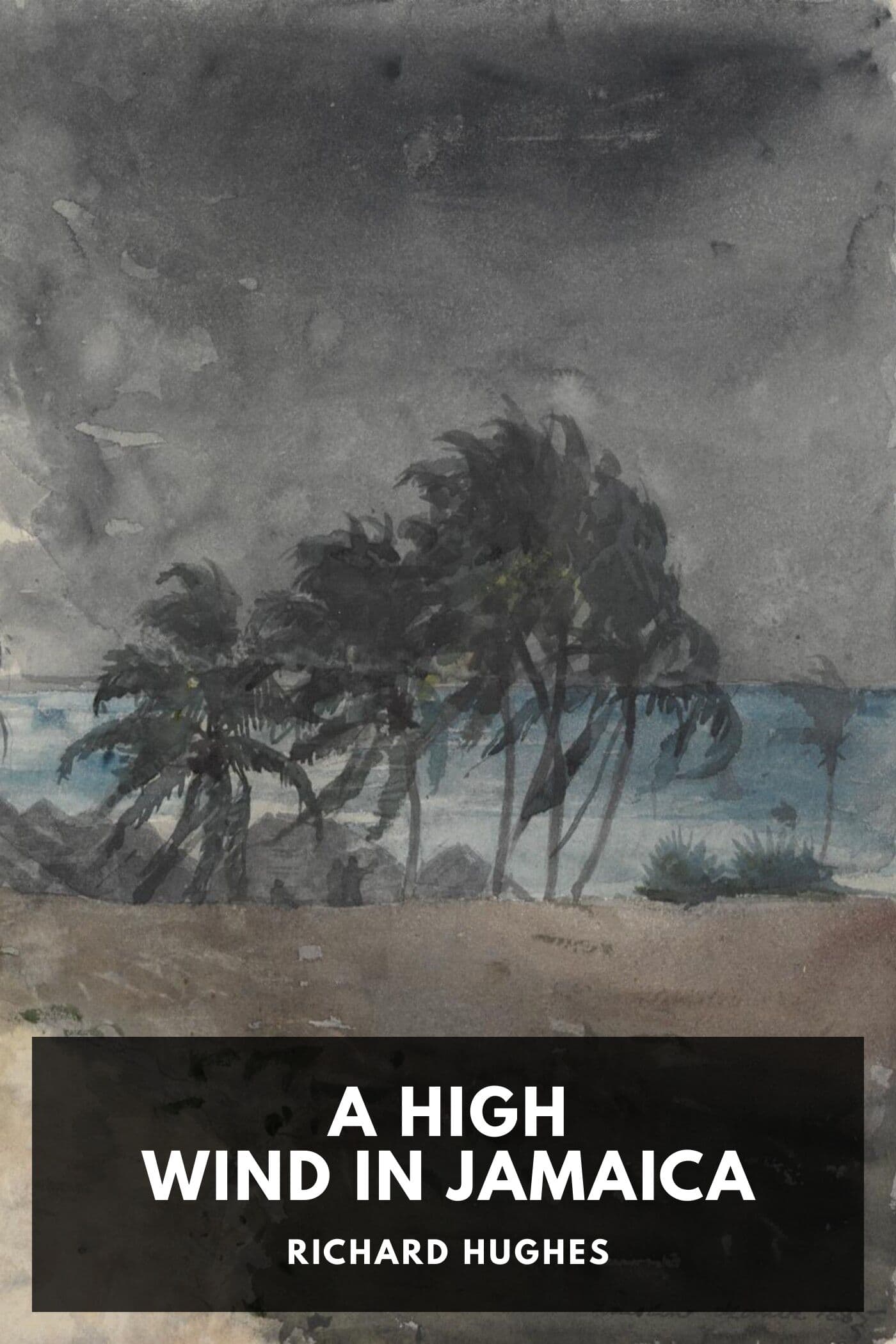
Richard Hughes was a Welsh novelist and playwright known for his innovative narrative style and exploration of complex themes. Born in 1900, he gained prominence with his 1929 novel, 'A High Wind in Jamaica,' which is often regarded as a precursor to modern psychological fiction. The novel's unique perspective on childhood and the moral ambiguities of its characters challenged conventional storytelling and established Hughes as a significant voice in 20th-century literature. His ability to blend realism with elements of fantasy and his exploration of the darker sides of human nature marked a departure from the literary norms of his time. Hughes's literary significance extended beyond his novels; he was also a noted playwright and essayist. His works, including 'In Hazard' and 'The Fox in the Attic,' showcased his talent for creating vivid, atmospheric settings and complex characters. Hughes's writings often reflected his deep interest in the human psyche and the intricacies of moral dilemmas, earning him a place among the influential writers of his era. His legacy continues to inspire contemporary authors and readers, as his exploration of the human condition remains relevant in modern literature.
Famous Quotes
View all 3 quotes“Do your bit to save humanity from lapsing back into barbarity by reading all the novels you can.”
“Mathias shrugged. After all, a criminal lawyer is not concerned with facts. He is concerned with probabilities. It is the novelist who is concerned with facts, whose job it is to say what a particular man did do on a particular occasion: the lawyer does not, cannot be expected to go further than show what the ordinary man would be most likely to do under presumed circumstances.”
“Being nearly four years old, she was certainly a child: and children are human (if one allows the term "human" a wide sense): but she had not altogether ceased to be a baby: and babies are of course not human--they are animals, and have a very ancient and ramified culture, as cats have, and fishes, and even snakes: the same in kind as these, but much more complicated and vivid, since babies are, after all, one of the most developed species of the lower vertebrates. In short, babies have minds which work in terms and categories of their own which cannot be translated into the terms and categories of the human mind. It is true that they look human--but not so human, to be quite fair, as many monkeys. Subconsciously, too, every one recognizes they are animals--why else do people always laugh when a baby does some action resembling the human, as they would at a praying mantis? If the baby was only a less-developed man, there would be nothing funny in it, surely.”
Books from the author


Link to this page
Add a free, dofollow link to Lex on your blog, forum, syllabus, or reading list.

<a href="https://lex-books.com/author/richard-hughes"><img src="https://lex-books.com/badges/read-on-lex.svg" alt="Richard Hughes on Lex" width="160" height="40"></a>[](https://lex-books.com/author/richard-hughes)[url=https://lex-books.com/author/richard-hughes][img]https://lex-books.com/badges/read-on-lex.svg[/img][/url]Richard Hughes on Lex: https://lex-books.com/author/richard-hughes